Author: IQ News Wire

  • Is Your Body Functioning at Its True Capacity?

    Is Your Body Functioning at Its True Capacity?

    Getting through the day doesn’t always mean your body is performing at its best. Many people manage work, workouts, and responsibilities while ignoring subtle signs. These signs may be that their body is running below its true capacity. 


    When your body functions optimally, it feels different; it’s steady energy, mental clarity, you feel physical strength, and recover without constant effort. 


    If you often feel like you are pushing through instead of flowing through your day, it may be time to look deeper. Let us help you understand your body functioning through this blog. 

    Warning Signs to Look for 


    Modern lifestyles have normalised fatigue and mental fog. What feels ordinary may actually be your body adapting to unmet needs. You need to look for these signs: 


    • Energy crashes during the day
    • Difficulty staying focused
    • Low motivation for physical activity
    • Slower recovery after exercise or long work hours


    These signals don’t come up overnight. They build gradually and you may often overlook them until performance noticeably drops.

    Why Your Body May Not Be Operating at Full Potential


    Even with regular meals and basic activity, your everyday habits may disrupt internal balance. Some of them can be:


    • Staying indoors on most of the days
    • Irregular eating patterns or limited food variety
    • Ongoing stress with little recovery time
    • Poor or inconsistent sleep quality


    Over time, these factors reduce how efficiently your body supports muscles, immunity, and energy production. 

    When your body doesn’t perform at its best, it may respond with frequent tiredness, reduced physical strength, or a general sense of low energy. To keep the functioning smooth, vitamins like vitamin D3 tablets, vitamin b-complex, also minerals, and other nutrients hugely influence your body. 

    Why Energy is More Than Just Rest

    Sleeping enough is crucial, but your energy levels also depend on how effectively your body transports oxygen and nutrients.


    Iron capsules are commonly linked to energy levels because iron plays a key role in forming haemoglobin, which carries oxygen throughout the body. 

    When this process isn’t efficient, you may notice:


    • Reduced stamina during daily tasks
    • Shortness of breath during mild activity
    • Mental fatigue or poor concentration
    • Decline in physical performance


    When you start observing these changes, it can affect both your physical and mental output, even if your routine hasn’t changed.

    Signs Your Body Needs Better Support


    Before major problems arise, your body sends early feedback. Always pay attention to:


    • Constant tiredness despite adequate sleep
    • Weak or inconsistent workout performance
    • Difficulty concentrating for long periods
    • Frequent minor illnesses

    Ways to Support Your Body to Reach Its True Capacity


    You don’t need extreme changes to improve performance. Even small, consistent habits can help restore balance. Do: 


    • Eat a balanced, nutrient-dense diet
    • Move your body regularly
    • Spend time outdoors when possible
    • Prioritise quality sleep and stress management


    When your body is well-supported, it functions more efficiently with less effort.

    Summing Up


    You wake up, work, workout, eat, and come back home may sound peaceful, but just getting through this routine may not always be optimal for your body. 

    When you overlook essential needs, it compensates by lowering energy, slowing recovery, and reducing overall performance. These changes may feel normal, but they restrict your body’s full potential. 


    Paying attention to early signals and supporting your body consistently, you allow it to function the way it is meant to.


  • What Are the Key Benefits of Fintech App Development for Digital Finance?

    What Are the Key Benefits of Fintech App Development for Digital Finance?

    Want stronger digital finance platforms that support secure modern financial services today? Businesses seek Fintech App Development to transform financial services in the world. Daily, by means of digital finance platforms, payments, banking processes, and interactions between customers and their finances are made easier. The present-day businesses are interested in scalable financial systems that facilitate mobile banking and payments. Interexy is a digital financial solution provider that supports financial institutions and start-ups in the modern world. 


    Learn more about their specialised https://interexy.com/fintech-app-development-services designed for modern digital finance ecosystems. Digital finance is rapidly expanding as companies switch to the ways to use modern technology. Businesses are spending on application development to enhance economic accessibility across the globe. Users can easily manage accounts, investments and payments with financial applications. These channels build customer confidence and enhance business efficiency in finances.

    How Fintech Platforms Improve Digital Financial Services

    The platforms of digital finance are changing the manner in which financial services are provided by businesses in the current day. Fintech App Development has been embraced by companies to develop secure financial systems within a short period. Mobile apps assist customers in operating their financial engagements through smartphones on a daily basis. Financial technology facilitates payment, transfer, investment, and banking services with ease. Companies create new fintech services with clear and easily accessible financial services. Such applications make the financial processes of companies and international users easy. Fintech assists companies in increasing digital market services in the global market. These are some of the benefits of fintech technology to financial companies.

    Types of Fintech Applications Supporting Digital Finance

    Fintech platforms can embrace a myriad of digital tools in support of financial businesses today. Digital banking applications enable customers to access their accounts and transactions in real-time. Mobile payment systems allow the transfer of money and quick financial transactions through the Internet. The application of cryptocurrencies facilitates the trading of digital assets and blockchain transactions across the world. The investment websites assist members in creating digital portfolios and financial development plans. Lending and digital credit platforms are also assisted by financial technology across the globe. Wealth management sites also support users who have plans and strategies in regard to investments and finances. These financial technology products are useful in enabling businesses to introduce new financial services.

    Essential Features That Build Secure Fintech Applications

    Contemporary financial software needs excellent technology and dependable security software. Companies are interested in creating apps that secure data and information on financial transactions. Financial sites should ensure that they take good care of the sensitive payment records and customer accounts. Digital payments are encrypted by encryption technology that prevents unauthorised access. Fintech apps have authentication systems that ensure that the users are who they claim to be and account protection. Money apps need to be easy to navigate through and quick in processing transactions. These aspects enhance user experience and the reliability of the financial platform in a significant manner.

    Compliance and Financial Data Protection

    The financial platforms should comply with the modern rules that safeguard the information of financial users. Identity verification platforms prevent fraud and enhance security on fintech platforms. Payment information is encrypted when performing financial transactions and transfers. Safe APIs bridge the banking systems with the latest fintech applications in a safe way. Financial data insights also have analytics tools that support the fintech platforms today. The analysis of data assists businesses in getting a picture of how people behave financially and what the users want. Businesses enhance online services based on the knowledge gained from financial applications. These technologies show the role of app development as a source of financial development in the modern world.

    Monetisation Strategies and Future Fintech Trends

    Fintechs are revenue-generating subscriptions and premium financial services in the present day. Revenues are also brought in the form of transaction processing fees by digital payment services. The digital portfolio services are currently charged management fees on investment platforms. Premium membership subscriptions are also available in the case of financial apps. The next generation fintech solutions combine blockchain technology and artificial intelligence. The digital currency and decentralised finance platforms keep changing financial services. These developments demonstrate that app development has a future in finance.

    Conclusion

    The digital financial services are expanding rapidly because of the role played by technology in changing the global markets of businesses. Fintech App Development is a business investment intended to develop secure financial platforms in the present time. Fintech solutions are used nowadays to ease payments, banking services, and digital financial management. Mobile applications help companies to make contact with customers and spread financial services all over the world.

    Ecosystem stakeholders and trustworthy technology partners assist companies in creating secure and scalable fintech applications. Interexy helps businesses to develop modern digital finance platforms successfully. Professional development services can be considered by those businesses that are interested in advanced fintech technology today.

    FAQs

    1. Why do companies embrace fintech applications nowadays?

    Companies are utilising fintech solutions that enhance online financial solutions across the globe. The online platforms assist businesses in providing contemporary financial services conveniently.


    1. Which fintech applications are used to support digital finance?

    The fintech systems consist of banking applications, payment tools, and investment tools. Blockchain transactions and digital assets are also supported on cryptocurrency platforms.


    1. What does security mean to fintech applications?

    Fintech applications deal with sensitive financial information and payment data on a daily basis. Accounts are secured with strong security systems, and financial fraud is prevented.


    1. What are the sources of revenue of companies through fintech apps?

    Fintech applications make money by charging subscriptions and advanced financial products. Service fees are also levied as small transaction services through payment processing services.


    1. What firm builds safe fintech systems for businesses?

    Today, businesses are in search of qualified developers to develop contemporary fintech applications. Interexy develops scalable fintech solutions for financial enterprises and startups.

  • Ten Questions to Ask Before You Design Your Garden

    Ten Questions to Ask Before You Design Your Garden

    Most garden design projects go wrong before a single plant is bought or a spade goes into the ground. They go wrong at the thinking stage — or rather, the absence of it. Someone visits a garden centre in early April, gets swept up in the colour and the optimism of a warm spring day, buys forty-three things that took their fancy, and arrives home to find that approximately none of them work together, half are wrong for the conditions, and there is nowhere obvious to put any of them.

    Good garden design is not about having expensive taste or a professional education. It is about asking the right questions before you start spending. The ten questions below will not design your garden for you, but they will prevent you from making the kinds of decisions you will be quietly regretting three summers from now.

    1. Who is this garden actually for?

    This sounds obvious, but the honest answer is frequently more complicated than it first appears. A garden used primarily by young children needs to be thought about very differently to one used primarily by adults for entertaining. A household with a large dog needs to factor that in before committing to a planting scheme. Someone who wants to grow vegetables has fundamentally different priorities to someone who wants a low-maintenance space that looks presentable from the kitchen window.

    Write down the actual users of the garden and what each of them needs from it. Not what you would ideally like, but what the garden is genuinely, realistically going to be used for on a Tuesday evening in June. Designing around that list produces better results than designing around an aspirational image of how the garden might look in an ideal world.

    2. How much time are you honestly prepared to spend on maintenance?

    Every gardener believes, at the point of planting, that they will maintain things properly. The herbaceous border will be divided every three years. The hedges will be clipped twice a season. The lawn will be fed and scarified and aerated and treated as the thing of calibrated perfection it deserves to be.

    Most of them are wrong. Life intervenes. Enthusiasm fluctuates. The garden that looked manageable in spring becomes oppressive by August. The single most important factor in long-term garden satisfaction is choosing a planting style and maintenance regime that actually matches the time you have, not the time you wish you had. Be realistic about this — almost brutally so — and design accordingly.

    3. What does the garden look like in January?

    January is the month that honest gardeners use to judge their own work. Walk around your garden on a grey January morning, or stand at the kitchen window with a coffee and look at it properly. What is there? If the answer is not much — bare soil, leafless sticks, a lawn that has seen better days — then you have a structural planting problem that no amount of summer annuals will fundamentally fix.

    Winter interest should be built into the design from the start, not retrofitted as an afterthought. Evergreen structure, interesting bark, persistent seedheads, early bulbs, plants grown specifically for their winter stems: these are the elements that keep a garden looking considered rather than abandoned during the months when it gets the least attention and deserves the most.

    4. Where does the sun go?

    Observe your garden at different times of day and at different times of year before making significant planting decisions. The sunny corner that seems perfect for a Mediterranean herb garden may be in shade by mid-afternoon in winter. The north-facing border might get more light than you expect once the deciduous tree behind it drops its leaves in October.

    A few minutes with a compass app and a notebook recording where light falls at 9am, 12pm, and 4pm in spring and autumn will save you considerably more time in remedial plant moving later. Placing plants in conditions they genuinely need rather than conditions that seemed reasonable is one of the most effective things you can do to improve garden performance.

    5. What is your soil actually like?

    Clay, sandy, chalky, loam, or peat. Acid, neutral, or alkaline. Wet or free-draining. These variables determine what will genuinely thrive in your garden and what will struggle regardless of how attentively it is cared for. A soil testing kit costs very little and fifteen minutes spent taking samples from different parts of the garden will tell you more useful information than any amount of browsing. The results should inform your plant choices far more than personal preference does. There is little point falling in love with Rhododendrons if your soil pH is 7.5, and growing Lavender in heavy clay will always be a source of disappointment rather than pleasure.

    6. What are you trying to screen or hide?

    Most gardens have something that would benefit from thoughtful concealment. A compost area. An oil tank. A side return full of recycling bins. A neighbour’s extension that sits unhappily on the skyline. A shed, however practical, that is not necessarily a visual asset from the main seating area.

    Identifying these early and incorporating screening into the design — rather than trying to add it later — produces far more integrated results. A pleached hornbeam hedge, a climbing plant on a trellis panel, a strategically positioned specimen shrub: these work as design elements when planned, and look like cosmetic patches when added as an afterthought. Speaking of sheds — if yours is due for replacement or you’re considering adding one, it is worth planning its position carefully at the design stage and choosing something that sits sympathetically in the space.

    Dobbies has a well-stocked range of garden sheds in various sizes and styles, which makes it easier to find something that suits the aesthetic of the garden rather than simply defaulting to whatever is cheapest and most prominent.

    7. What do you want to hear?

    Sound is a dimension of garden design that is almost never discussed in books or television programmes, but which makes an enormous difference to how a garden feels to sit in. Running water masks road noise with surprising effectiveness — even a small container water feature can transform the acoustic quality of an urban garden. Grasses rustling in the wind, bamboo canes clicking against each other, the sound of bees in a lavender border: these are elements that make a garden feel alive and serene simultaneously.

    Conversely, consider what sounds the garden generates that you might want to minimise. Hard landscaping reflects noise; soft planting absorbs it. A garden bounded by solid walls and covered in stone can be uncomfortably loud during outdoor dining when several people are talking. These are not usually the first things people think about, but they are worth considering before the hard landscaping is committed to.

    8. How do you want to move through the space?

    Circulation — the way people naturally move around a garden — is one of the most revealing tests of whether a design is working. Desire lines that cut across lawns where paths should be, seating areas that require a long walk from the kitchen, steps that feel awkward or unsafe in wet weather: these are symptoms of a design that has not fully thought through how the garden gets used in practice.

    Before finalising any design, physically walk the routes you will actually take. From the back door to the lawn. From the seating area to the barbecue. From the gate to the shed. These journeys happen every day; making them feel natural and comfortable is one of the most valuable investments a garden design can make.

    9. What is the view from inside the house?

    A garden is not only experienced from within it. It is viewed constantly from inside the house — from the kitchen sink, from the sitting room sofa, from the bedroom window on a winter morning. Designing with these fixed viewpoints in mind, rather than purely for the experience of being in the garden, tends to produce spaces that feel continuously rewarding rather than occasionally spectacular.

    The classic mistake is to design the garden as a series of things to look at when standing in the middle of it, without considering what it looks like as a composed picture from the house. Stand at each window that overlooks the garden and think about what would make each view better. A specimen plant on that sightline. A lit feature for winter evenings. A structural element that gives the view a focal point even in January.

    10. Are you designing for now, or for ten years from now?

    Gardens are not finished things. They are processes, moving through time, changing as plants grow and the world around them changes. A design that accounts for this — that plans for how things will look in a decade, not just at planting — produces fundamentally more satisfying results than one that is optimised for year one.

    This means thinking about the eventual size of trees and large shrubs before planting them. It means not overcrowding perennials to get an instant effect if the long-term result will be a congested, competitive mess. It means accepting that some of the best elements of a garden — a well-established hedge, a mature climbing rose, a tree that has grown to provide real structure and shade — take years to arrive, and planning for them rather than replacing them with faster alternatives.

    The garden you want in ten years is planted today. That is both the frustration and the particular satisfaction of the whole endeavour. Knowing what you are planting towards, rather than simply planting enthusiastically in April and hoping for the best, is the difference between a garden that develops a genuine character over time and one that stays perpetually unresolved.

    Answer these ten questions honestly before you buy a single thing, and you will already be designing better than most people ever manage.

  • Time is Life: The Critical Need for Fast Emergency Response

    Time is Life: The Critical Need for Fast Emergency Response

    When an emergency strikes, every second counts. Whether someone suffers a cardiac arrest, a severe injury, or suddenly stops breathing, the speed and quality of the response can make the difference between life and death. As ordinary people—not just professional rescuers—we have the chance to act when help hasn’t yet arrived. That’s why learning essential emergency response skills is more than useful: it is vital. In this article we’ll explore why acting quickly matters, what you can realistically do, and how being prepared gives you the power to make a difference when time is the most precious asset.

    Why quick action matters in a serious incident

    In many emergency situations the body begins a rapid decline almost immediately. For instance, when the heart stops or breathing ceases, oxygen is no longer delivered to vital organs like the brain. The longer that goes on, the greater the risk of permanent damage or death. Responding without delay preserves the chance of recovery and makes the intervening help from professional medical teams even more effective.
    Moreover, waiting for help can allow small injuries or conditions to worsen dramatically. Uncontrolled bleeding, a blocked airway, falling unconscious—each of these becomes harder to reverse with every passing moment. Being ready to step in changes the outcome in ways that only speed and correct technique can.

    Recognizing when seconds become critical

    How do you know when immediate action is needed? Here are some red flags:

    • The person becomes unresponsive or stops breathing.

    • A strong bleed is uncontrolled and bright red blood is flowing.

    • Someone collapses suddenly, clutching their chest or gasping for air.

    • A young child or infant is choking and cannot cough, cry or breathe.
      When you see any of these signs, you don’t simply wait and hope—you act. Time is life. Each minute you delay reduces the odds of a positive outcome.

    Simple steps you can take right now

    You don’t need advanced medical training to make a difference. A few simple, well‑learned actions can buy vital time until professionals arrive:

    • Check if the person is responsive: ask loudly, tap the shoulder, and look for breathing.

    • Call for help immediately or instruct someone else to do so. The earlier help is on the way, the better.

    • Begin chest compressions if the person is not breathing and has no pulse. Effective chest compressions circulate blood when the heart doesn’t.

    • If someone is choking and cannot breathe, perform the proper maneuver to clear the airway.

    • Control serious bleeding by applying firm pressure and keeping the person as still as possible.
      By taking these steps, you become an active link in the chain of survival, not just a bystander.

    Why formal training strengthens your response

    Knowing how to act is one thing; being confident and competent when it matters is another. That’s where structured training comes in. Through a well‑designed course you will learn when to act, how deeply to compress, how fast, how to recognise obstructed airways, and how to stop severe bleeding. A good program reinforces these skills with demonstration, sometimes video, quizzes, practical guidance.
    For complete CPR and First Aid training that you can start anytime, visit MYCPR NOW
    In short, you’ll gain both knowledge and readiness. When seconds matter, hesitation kills. Training helps eliminate hesitation. It helps make you the person who steps in rather than the person who watches.

    Turning readiness into real‑world preparedness

    Preparing for emergencies isn’t just about taking a course. It’s about creating habits and planning ahead. Here’s how:

    • Know where emergency equipment is located: in workplaces, schools, homes and public spaces.

    • Practice your skills mentally—or better yet, revisit your training periodically to stay sharp.

    • Discuss emergency plans with family, friends or coworkers so everyone understands who does what.

    • Keep basic supplies ready: a first‑aid kit, knowledge of how to use it, and clear signs of where it is stored.
      By weaving preparedness into your life, you minimise wasted seconds when every moment counts.

    Why delayed help means higher cost in human terms

    When an ambulance or trained responder finally arrives, they rely on the condition you’ve stabilised. Evidence shows that the longer key interventions are postponed, the greater the risk of irreversible brain injury, organ failure or death. Simply waiting for the “experts” to arrive can be risky because during those moments the body deteriorates.
    Your early action buys time—not just for the person in need, but for the using of advanced care. The sooner you initiate the correct steps, the better the professionals can do what they do best.

    Summary: Be the difference between waiting and acting

    When an emergency unfolds, the clock starts ticking at zero. You may have seconds, not minutes, to make a meaningful impact. Acting early, acting correctly and acting with confidence could save a life. Investing in your ability to respond isn’t just wise—it’s essential. If you delay, the outcome becomes progressively harder to influence.
    Remember: Time = Life. The shorter the delay, the greater the chance of survival, recovery and dignity. Let preparedness become your habit. Let rapid, informed action be your response. When a sudden crisis arises, you can step forward, not freeze. That choice might be what saves someone you care about—or someone you’ll never meet.


  • The Complete Guide to Soap Boxes: Styles, Materials, and Packaging Options for Every Brand

    The Complete Guide to Soap Boxes: Styles, Materials, and Packaging Options for Every Brand

    In the competitive soap industry, packaging is more than just a wrapper; it’s an essential part of brand identity, product protection, and customer experience. Soap Boxes serve multiple purposes: protecting delicate soap bars from damage, preserving fragrance and texture, and communicating the brand’s story to the consumer.

    For B2B brands, custom packaging can strengthen relationships with retailers, enhance shelf appeal, and ensure products arrive safely during distribution. For household and retail users, attractive packaging improves perceived value, creates a premium unboxing experience, and increases the likelihood of repeat purchases.

    Custom Packaging Pro provides tailored soap packaging solutions for businesses and individuals, combining functionality with professional design. Their offerings include custom soap boxes, kraft soap boxes, soap sleeves, and printed packaging tailored to the product type.

    Common Styles of Soap Boxes

    Soap boxes come in a variety of styles, each suited to different business needs and consumer expectations. Selecting the right style depends on the type of soap, its shape, and the intended audience.

    1. Regular Tuck-End Boxes

    These boxes are commonly used for small to medium soap bars. The tuck-end design allows easy assembly and secure closure while providing sufficient space for branding and product information.

    2. Sleeve Packaging

    Soap sleeves are ideal for eco-friendly and minimalist brands. The sleeve wraps around the soap, leaving portions visible, which works well for artisanal soaps where texture and shape are part of the appeal.

    3. Rigid or Two-Piece Boxes

    Luxury soaps often require rigid boxes with a separate lid. These provide durability, protect premium ingredients, and support high-end branding. They are suitable for gifting, luxury retail, and subscription boxes.

    4. Window Boxes

    Boxes with a cut-out or transparent window allow consumers to see the product inside. This style is popular for handmade or decorative soaps, giving customers a tactile sense of the soap’s quality before purchase.

    5. Kraft Boxes

    Kraft soap boxes offer an eco-conscious option with natural textures. Brands focusing on sustainability often use kraft stock with minimal printing, appealing to environmentally aware consumers.

    Custom Packaging Pro can customize all these styles in various sizes, finishes, and materials, supporting both luxury and budget-friendly requirements.

    Table 1: Popular Soap Box Styles and Their Applications

    Style Best For Brand Use Case
    Tuck-End Boxes Standard soap bars Mass-market and small businesses
    Sleeve Packaging Artisanal soaps Eco-conscious, handmade, organic brands
    Rigid/Two-Piece Boxes Premium soaps Luxury gifting, high-end retail
    Window Boxes Decorative soaps Retail visibility, gift sets
    Kraft Soap Boxes Natural or organic soaps Eco-friendly brands, sustainable packaging

    Materials Used in Soap Packaging

    Choosing the right material is critical for protecting soap quality and ensuring the product meets safety and retail standards.

    1. Cardboard

    Cardboard is lightweight, cost-effective, and printable. It’s widely used for tuck-end, window, and sleeve soap boxes. It provides adequate protection while allowing for vibrant printing and branding.

    2. Kraft Stock

    Eco-friendly kraft boxes are durable and sustainable. They are ideal for brands that want minimalistic design with natural appeal. Kraft stock can be coated for added strength and water resistance.

    3. Rigid Board

    Rigid or two-piece boxes use thicker board stock for premium soaps. They are sturdy, reusable, and suitable for luxury soaps or gift sets. These boxes often feature embossed logos, foil stamping, or spot UV for high-end branding.

    4. Corrugated Cardboard

    Used for bulk orders or shipping, corrugated cardboard adds strength to packaging. It’s suitable for wholesale soap boxes or subscription packs where protection during transit is critical.

    Custom Packaging Pro helps brands select the ideal material based on product type, shipping requirements, and retail display considerations.

    Table 2: Material Options and Benefits

    Material Durability Best For Additional Notes
    Cardboard Medium Standard retail soaps Cost-effective, easy to print
    Kraft Medium-High Organic/artisanal soaps Eco-friendly, minimalistic design
    Rigid Board High Luxury soaps & gift sets Supports premium finishes
    Corrugated Cardboard High Wholesale/shipping Strong and protective


    Custom Printing and Branding Options

    A significant advantage of working with Custom Packaging Pro is access to professional printing services. Custom designs allow brands to:

    • Include logos, colors, and product information
    • Highlight ingredients and benefits
    • Differentiate packaging for limited editions or seasonal releases
    • Add foil stamping, embossing, or spot UV for luxury appeal

    Printed soap boxes can improve shelf visibility and enhance the unboxing experience, helping businesses increase sales and strengthen brand recognition.

    Soap Box Sizes and Dimensions

    Soap packaging must match the size and weight of the product to prevent movement inside the box. Standard sizes vary depending on bar dimensions, but custom sizing is often required for unique soap shapes or premium gift sets.

    Brands often use a simple formula: Length × Width × Height to determine the correct size. Accurate measurements ensure that soaps remain secure and that the packaging does not appear oversized or cheap.

    The Role of Packaging in Consumer Perception

    Packaging is often the first impression of a soap product. Well-designed boxes can:

    • Communicate brand quality and values
    • Encourage repeat purchases
    • Support premium pricing strategies
    • Enhance gifting appeal

    Even basic household soaps can benefit from attractive packaging. For premium or artisanal soaps, packaging may be the deciding factor for customers between similar products on the shelf.

    Sustainability and Eco-Friendly Soap Packaging

    Eco-conscious consumers increasingly demand sustainable packaging. Kraft boxes and recyclable cardboard are popular choices. Brands can also consider soap sleeves or minimalist designs to reduce material use.

    Sustainable packaging supports environmental goals while also appealing to consumers who value eco-friendly practices. This strategy works for small businesses, luxury brands, and household-focused products alike.

    Shipping and Bulk Packaging Considerations

    For B2B brands or online retailers, soap packaging must withstand shipping and handling. Corrugated boxes or protective inserts are often used for bulk shipments. Custom Packaging Pro provides packaging solutions that protect soaps during transit, whether shipping locally or across the UK.

    Final Thoughts

    Soap Boxes are a vital element of the soap industry, combining functionality, branding, and consumer appeal. From standard tuck-end boxes to luxury rigid boxes and eco-friendly kraft options, every product benefits from thoughtful packaging design.

    For B2B brands, custom printed soap boxes can enhance retail presence, streamline logistics, and create strong brand recognition. For retail and household consumers, packaging improves usability, aesthetic appeal, and overall satisfaction.

    Custom Packaging Pro offers a comprehensive solution for businesses and individuals, delivering durable, stylish, and fully customizable soap packaging that meets industry standards, consumer expectations, and branding goals.

    FAQs

    Q1. What are the most common types of soap boxes?

    1. Tuck-end boxes, soap sleeves, rigid boxes, window boxes, and kraft boxes are widely used.

    Q2. Can I customize my soap boxes with branding?

    1. Yes. Custom Packaging Pro provides full customization, including printing logos, product information, and decorative finishes.

    Q3. What materials are best for eco-friendly soap packaging?

    1. Kraft stock and recyclable cardboard are preferred for sustainability-focused brands.

    Q4. How do I choose the right soap box size?

    1. Measure the soap bar’s length, width, and height accurately. Custom sizes may be needed for premium or unique products.

    Q5. Are soap boxes suitable for shipping?

    1. Yes. Corrugated cardboard or rigid boxes with inserts provide protection for wholesale, retail, and online orders.


  • Women Skirts Under High-performance Goals

    Women Skirts Under High-performance Goals

    They are available in breezy maxi or fitted pencil stitch shapes, ready to accommodate any size event and shape, and above all, collection-ready for high comfort, elegance, and versatility. Each of these skirts comes from well-made fine fabric and feminine cuts to truly elevate the casual and office into female attires. Now go through the collection so that you find that one which is going to really make your daily outfit just a bit more sparkly but letting even more nuances of your fashion out to express themselves.


    A Classic Necessity in the Wardrobe:

    • Women skirts meaning elegance, confidence, and sophistication have been the perpetual part of women’s attire since ages.
    • Their blouses, t-shirts, or jackets around dresses combine and mix limitlessly according to the occasions that most suit to various occasions.
    • There is a kind of skirt to match the individual mood, the general feel of the place: business day to weekend brunch; sophisticated to absolutely formal function.
    • Skirt that does not undermine your outfit works magical wonders on your body shape.


    A Multicolored Selection for Any Preference:

    • Our work runs the whole gamut with wild variant designs to cater for every taste and body type.
    • Not really quite an open notion of really discovering and getting to know people in their space; contrary to the idea, maxi skirts are relaxation and flow, fitting quite right into casual activity or summer day.
    • Midi Skirts are just that the perfect feel best tucked between style and comfort for both office and casual use.
    • Pencil skirts are uncompromising class with that sophisticate looks apt for high-profile boardroom meetings or later functions.


    Comfort Like Gloves and Collect High Quality:

    • Every skirt has a very high-value fabric for into very good comfort for all of the day.
    • As pure cotton and chiffon or linen breathe, meanwhile some are structured enough to hold shape and style.
    • Finishes include very luxurious linings and waistbands hugging the body; non-compromise on comfort inside.
    • Sure, mobility and ease define our skirts, style and durability quite closely behind!


    Applicative fits for all shapes of the body

    • Each skirt has well defined cuts to give shape to any woman; hence, she can flaunt those very natural curves while being most comfortable.
    • Soft fabrics combined with ropes and loose waistbands give the perfect fit finesse that still looks really good.
    • Every piece is constructed with bespoke tailoring to fit you from petite to plus sizes yet still bringing total confidence along with style.

    Cheap and Stylish Fashion

    • High fashion at its very least cost coupled with good craftsmanship.
    • Shop directly buy from China, notwithstanding, the best rates on the trendiest skirts for women come without compromise on quality.
    • International sourcing means you get the trendiest extents in one’s stock with modern-day relevance while balancing elegance, comfort, and affordability.


    The Stylishly Smart Choice

    • Quite a number of those skirts were manufactured using eco-friendly fabric as well as environment-friendly manufacturing processes.
    • Most high-quality skirts, hence, would have lesser wastes but must really go into classic investment wardrobes that last almost against time.
    • And co-ordinate styling, probably best suited skirts where modern meets conscious fashions make a perfect combination.


    Conclusion:

    That is the sum of elegance and versatility, coupled with comfort as dresses are worn by women in skirts. There are literally millions of options available to completely capture your personality-from flowy to structured or tailored styles. Today, dig through our collection and transform the face of your closet from those timeless skirts that carry style and grace into every occasion.

  • What is DTF Printing? A Beginner’s Guide

    What is DTF Printing? A Beginner’s Guide

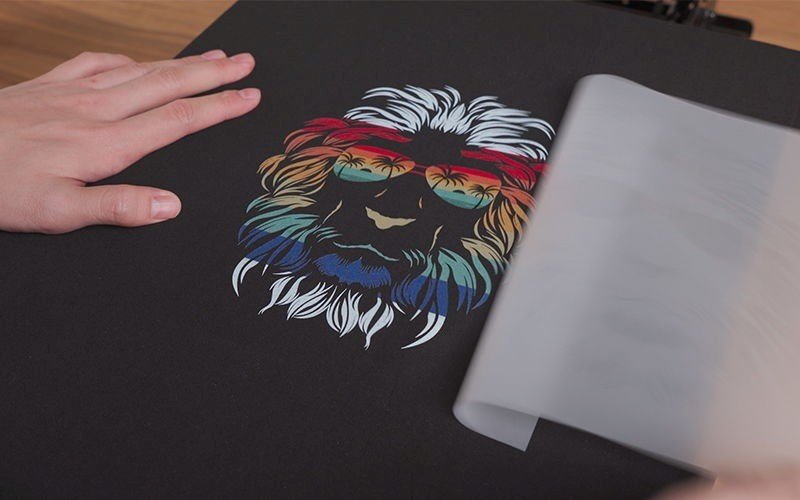
    DTF printing, or Direct to Film printing, is a simple way to put colorful designs on clothes and other items. It works by printing your design on a special film first, then using heat to stick it onto fabric. This method is popular because it gives bright, long-lasting prints without needing a lot of expensive setup. If you run a small shop or want to start making custom T-shirts, DTF printing is easy to learn and budget-friendly. This guide explains everything step by step so you can understand how it works and decide if it’s right for you.

    How DTF Printing Works

    The DTF process has seven clear steps that anyone can follow. First, you create your design on a computer using software like Photoshop or free tools online. Next, you send the design to the DTF printer, which prints it onto a clear PET film. The printer uses five ink colors: cyan, magenta, yellow, black, and white. The white ink goes down first to make colors pop on dark fabrics.

    After printing, you cover the wet ink with a fine adhesive powder. This powder sticks only to the inked areas. Then, you shake off the extra powder and put the film into a dryer or oven to melt the powder. Once it cools, the film is ready. You place it on your T-shirt or hoodie, press it with a heat press machine for about 15 seconds at 320°F, and peel off the film. The design stays on the fabric, soft and stretchy.

    This whole process takes just a few minutes per shirt once you get the hang of it. You don’t need to pre-treat the fabric like with some other methods, which saves time and money.

    What You Need to Start DTF Printing

    Starting DTF printing doesn’t require a huge investment. Here’s the basic list of items:

    • DTF Printer: A small A3 size printer works for beginners. Larger 24-inch models handle bigger jobs.
    • DTF Ink: Special pigment ink in five colors, including white.
    • PET Film: Coated film that holds the ink and powder.
    • Adhesive Powder: Hot-melt powder that bonds the design to fabric.
    • Powder Shaker: Applies and removes extra powder. Some printers come with one built in.
    • Heat Press: A flat machine that applies heat and pressure.
    • Computer and Software: Any laptop with RIP software to control print settings.
    • Air Purifier (optional): Keeps powder dust under control.

    Total startup cost can be as low as $2,000 if you pick entry-level gear. Many suppliers sell complete kits so you don’t have to shop around.

    Why Choose DTF Over Other Printing Methods

    DTF has clear advantages for small businesses. Compared to screen printing, it needs no screens or setup for each color, so you can print one shirt or 100 without waste. DTG (Direct to Garment) printers cost more and work best on cotton only. DTF handles cotton, polyester, nylon, and even leather.

    Prints from DTF last through many washes without cracking. The colors stay bright, and the feel is soft—not stiff like vinyl. You can print tiny details or full-color photos easily. Plus, DTF works on dark shirts without extra steps. For small orders or custom gifts, DTF is faster and cheaper than most options.

    Best DTF Printers for Beginners

    Picking the right printer matters. For new users, the DTFLINKO L402 is a top choice. It’s an A3 desktop model with two Epson i1600 printheads. It prints up to 33cm wide, perfect for T-shirts and hoodies. The touch screen makes it simple to use, and it comes with LED lights to check prints. Speed is about 3–5 square meters per hour, enough for 5–10 shirts.

    If you plan to grow, look at DTF printers for small business. The DTFLINKO A650 is a 24-inch all-in-one machine with a built-in powder shaker and dryer. It has two Epson i3200 DTF printer heads for faster output—8–10 square meters per hour. It supports fluorescent colors too, great for standout designs.

    These models use real Epson printheads for reliable quality. They include auto-moisturizing to prevent clogs and alarms for low ink. Prices start around $1,650 for basic models and go up to $7,700 for pro setups.

    Step-by-Step Printing Process

    Let’s walk through a real example. Say you want to print a logo on a black T-shirt.

    1. Design: Open your file in RIP software. Adjust size and add a white underbase for dark fabric.
    2. Print: Load PET film into the printer. Hit start. The machine prints white ink first, then colors.
    3. Powder: Move the film to the shaker. It spreads powder evenly and sucks away extras.
    4. Dry: Run the film through the dryer for 2–3 minutes at 300°F. The powder melts and sticks.
    5. Press: Pre-press the shirt for 5 seconds to remove moisture. Place the film face down. Press at 320°F for 15 seconds.
    6. Peel: Wait 10 seconds, then peel the film cold. The design is now on the shirt.
    7. Finish: Press again for 5 seconds to set the print.

    That’s it—one shirt done in under 10 minutes. Practice on scrap fabric first to get the temperature and time right.

    Common Mistakes and How to Avoid Them

    Beginners often run into a few issues. Too much powder makes prints feel rough—use the shaker’s recycle mode to control it. Wrong heat press settings cause peeling—always test on samples. Ink clogs happen if you don’t print daily—run a cleaning cycle or use the auto-moisturizing feature.

    Store ink and film in a cool, dry place. Clean the printhead weekly with cleaning fluid. Follow the manual for your model to avoid costly fixes.

    Cost Breakdown for DTF Printing

    Let’s look at real numbers. A 24-inch printer kit costs about $4,000. Ink runs $15–$20 per 500ml bottle. You’ll use roughly 10–15ml per square meter. PET film costs $0.50 per A3 sheet. Powder is $10 per kg, and you need about 20g per square meter.

    Printing a standard T-shirt (12×16 inches) costs around $1.50 in supplies. Sell it for $20 and keep a solid profit. Bulk orders drop the cost per shirt even lower.

    Maintenance Tips to Keep Your Printer Running

    Daily care takes five minutes. Wipe the printhead cap with a soft cloth. Check ink levels and top up before they run low. Run a nozzle check print each morning. Once a week, clean the capping station with fluid. Every month, replace the waste ink pad if it’s full.

    Turn off the printer when not in use to save power. Keep the room at 65–75°F to prevent ink issues. These habits make your printer last years.

    Where to Sell Your DTF Prints

    Start local—sell at craft fairs, school events, or sports games. Set up an Etsy shop for online sales. Offer team uniforms, family reunion shirts, or pet bandanas. Partner with local stores to print their merch. Use Instagram to show your work and take custom orders.

    Price fairly: $15–$25 for adult T-shirts, $10–$15 for kids. Add $5 for names or numbers. Fast turnaround—same day or next day—wins repeat customers.

    Support and Training Options

    Good suppliers offer free help. Linko gives remote setup via video call. They send manuals and tutorial videos. You get lifetime tech support through chat or email. Some brands let you visit their factory for hands-on training.

    Join Facebook groups for DTF printers to ask questions. Watch YouTube setup guides. Most issues have simple fixes once you know where to look.

    Is DTF Printing Right for You?

    DTF works best if you want variety—print on cotton, poly, blends, dark or light colors. It’s ideal for small runs or one-offs. If you only print white cotton in bulk, DTG might suit better. But for most small shops, DTF offers the best mix of quality, speed, and cost.

    Start small with an A3 printer. Master the process on 10 shirts. Then scale up as orders grow. With practice, you’ll turn out pro-level prints in no time.

    Final Thoughts

    DTF printing opens doors for anyone to create custom apparel without big upfront costs. You control every step—from design to finished shirt. The equipment is user-friendly, and results look sharp. Follow this guide, pick reliable gear, and practice the steps. Soon you’ll have a steady stream of happy customers wearing your designs.

    Ready to try? Grab a starter kit, print your first shirt, and see the quality for yourself. DTF is simple, fun, and profitable once you get started.


  • Best Image to Video AI and Talking Photo Tools of 2025

    Best Image to Video AI and Talking Photo Tools of 2025

    Introduction

    It is 2025, and the intelligent artificial assistant has become the creative entrepreneur that every content producer looks to dream of. The borders between photo and film are becoming more difficult to distinguish as we turn motionless pictures to life-like motion videos and portraits to motion pictures that speak. Being a digital creator myself, I have been testing video and photo editing tools over the years, however, the most recent wave of tools powered by AI actually redefines what is possible. 

    I tried out the Image to Video AI and Talking Photo tools of 2025, and two weeks later, I have the best of them by innovation, usability, and the ability to be creative. The list will assist you to identify the right platform whether you are a content marketer, video editor or simply someone who wishes to make his selfies talk.

    The Best AI Tools at a Glance

    Tool Best For Modalities Platforms Free Plan
    Magic Hour Realistic image-to-video and talking photo animations Image, Video, Audio Web, iOS, Android ✅ Yes
    Pika Labs Cinematic AI video generation Image, Text, Video Web ✅ Limited
    Runway ML Professional-grade video editing with AI tools Video, Text Web, Mac ✅ Yes
    Synthesia Talking avatars and corporate video creation Image, Video, Text Web ❌ No
    HeyGen Personalized marketing videos with AI avatars Image, Video, Text Web ✅ Trial
    DeepBrain AI News-style AI videos and realistic avatars Video, Text Web ❌ No

    1. Magic Hour — The Best All-in-One AI Visual Creation Suite

    In terms of the compatibility of magic of Image to video AI and Talking photo technology, Magic Hour would be in the comfort zone of my list. It is not an animated face or video generated platform, it animates the still pictures with moving facial expression, sound and cinematics. 

    Having spent several hours playing around with it, I was impressed with its fluidity in terms of emotion, lip-syncing and background animation. The AI models of Magic Hour react to facial expressions and motion in a still image, and the results are realistic yet artistic.

    Pros:

    • Stunning realism and smooth facial motion

    • Fast rendering and cloud-based workflow

    • Supports both image-to-video and talking photo creation

    • Simple drag-and-drop interface

    Cons:

    • Requires strong internet for large renders

    • Watermark on free version

    Magic Hour can hardly be beaten by those who are creators and want to transform portraits or product photos into interesting video stories. It is the tool that attracts both influencers and marketers, as well as digital artists due to its combination of creativity and control.

    2. Pika Labs — For Cinematic AI Video Creation

    Pika Labs goes beyond the AI video generation. You can feed it text suggestions or pictures, and in a few seconds it will produce cinematic clips that move, have lighting and depth creating the impression that the movie was filmed on a film strip.

    Pros:

    • Excellent scene understanding

    • Realistic camera movement and transitions

    • Active Discord community for feedback

    Cons:

    • Limited editing flexibility post-render

    • Requires prompt-engineering skills

    Pika Labs would ensure the process is easy in case you love storytelling and wish to have cinematic output without putting much effort.

    3. Runway ML — Best for Professional AI Video Editing

    Runway ML is the preferred choice of professional creators and filmmakers that require accuracy. It provides features such as motion tracking, background removal and AI-enabled green screen effects and is a must-have for those editors who want to have control and quality.

    Pros:

    • Advanced timeline-based editing

    • Dozens of AI filters and effects

    • Integrates with major production workflows

    Cons:

    • Learning curve for beginners

    • Higher subscription cost

    I have used the Runway ML to edit one of my short reels and the outcome was stunning, sharp, professional, and fileable.

    4. Synthesia — Best for Corporate Talking Head Videos

    Synthesia changed the way business organizations make training, explainer, and onboarding videos. You can simply write down the text, select an avatar, and leave the rest to the AI instead of having to hire voice actors or or record yourself.

    Pros:

    • Over 140 diverse AI avatars

    • Supports 120+ languages

    • Ideal for corporate communications

    Cons:

    • Limited customization of avatars

    • Subscription-based only

    In case the aim is to have the content of the professional videos scaled in a short amount of time, Synthesia is unparalleled.

    5. HeyGen — Best for Personalized Marketing Content

    HeyGen makes marketing videos life-like. You may make personalized messages by making realistic spokesperson-style videos in which the receiver receives a personal message. Its AI creates small gestures, lip-syncing, and emotions which make content more relatable.

    Pros:

    • Customizable avatars

    • Excellent for personalized video emails

    • Integrates with marketing platforms

    Cons:

    • Some avatars still look slightly robotic

    • Processing time can vary

    I used HeyGen as a brand demonstration, and the turnout rates were self-explanatory — individualized AI videos are observed.

    6. DeepBrain AI — Best for Realistic News and Broadcasts

    DeepBrain AI targets hyper-realistic AI presenters, which are ideal in newsrooms and educational content. Its voice recognition to animation match is the best one and the avatars look amazingly realistic.

    Pros:

    • Broadcast-quality avatar realism

    • Accurate text-to-speech performance

    • Ideal for educational or news content

    Cons:

    • Expensive compared to peers

    • Limited creative customization

    DeepBrain is unbeatable in case you are producing a professional grade.

    How We Chose These Tools

    I have been able to test creative AI software frequently and, therefore, my assessment was based on the following four aspects: realism, convenience, quality of rendering, and transparent pricing. 

    All the tools were run in a period of two weeks using the same image and video prompts so as to come up with a fair comparison. I also thought about community support and joining other creative platforms.

    The Market Landscape and 2025 Trends

    The innovation in the creative AI market of 2025 is thriving. New standards are being established, such as the use of hybrid tools such as Magic Hour which combines both image-to-video and talking photo tools. One is also strongly oriented on browser-based platforms and real-time rendering. 

    Multimodal AI (text plus sound and images) is another experiment being tested by new entrants such as Kaiers and Lumen5 in one-click narrative. More features of collaboration, increasing the level of realism and specific tools oriented towards social media creators can be expected in the near future.

    Final Takeaway

    And, in case you are asking yourself which AI tool to use, here is my fast judgment:

    • For versatility and realism: Magic Hour

    • For cinematic storytelling: Pika Labs

    • For professional editing: Runway ML

    • For corporate and marketing videos: Synthesia and HeyGen

    Every platform has its own thing to offer, and Magic Hour is the one, which is able to cover the full gap between technology and creativity, without making much of an effort. My advice? Try a few, experiment to find out how your workflow works, and have a tool that appears magic in your hand.

    FAQs

    1. What is an Image to Video AI tool?
      It is an artificial intelligence application that can transform still images into dynamic video clips based on movement, light, and perspective predictions.
    2. What does a Talking Photo app do?
      It breathes life into faces in photographs making them talk or show expression with a synchronized voice or text.
    3. Can I use these AI tools for social media content?
      Absolutely! Most content creators rely on such tools as Magic Hour or HeyGen to create interactive Instagram Reels, TikToks, and YouTube Shorts.
    4. Are these tools beginner-friendly?
      Yes – most of the platforms have easy to use interfaces and tutorials that help even non-technical users to create videos.
    5. Which tool offers the best free plan?
      The free versions of Magic Hour and Runway ML are generous, and one can use them to test before upgrading.
  • Sleep, Play, Celebrate — Kids Christmas Pajamas for Every Merry Moment

    Sleep, Play, Celebrate — Kids Christmas Pajamas for Every Merry Moment

    The holiday season is a time of wonder, joy, and magic — especially for children. From writing letters to Santa to unwrapping presents under the tree, every moment feels special. One of the cutest and most memorable parts of this festive time is dressing little ones in kids Christmas pajamas. Whether they’re sleeping, playing, or celebrating with the family, the right pajamas bring comfort, fun, and a big dose of holiday cheer.

    The Magic of Kids Christmas Pajamas

    Kids Christmas pajamas are more than just bedtime wear — they’re part of the excitement that makes Christmas truly magical. Bright colors, cheerful prints, and cozy fabrics help children feel the joy of the season from the moment they wake up until they go to bed. From classic red-and-green stripes to playful reindeer or Santa designs, these PJs capture the spirit of Christmas in the most delightful way.

    Parents love seeing their kids dressed in matching or themed pajamas because it adds to the festive atmosphere of the home. Whether for morning photos by the tree, baking cookies in the kitchen, or cozying up for a movie night, Christmas pajamas make every activity more special.

    Comfort Meets Festivity

    While style is important, comfort is key when choosing kids Christmas pajamas. Soft cotton and fleece fabrics are the best options for chilly December nights, keeping children warm without overheating. Breathable materials also ensure they can sleep peacefully after a busy day of excitement and play.

    For active little ones, pajamas that allow free movement are essential. Elastic waistbands, flexible fits, and tag-free designs make it easy for kids to play, dance, and open presents in comfort. After all, Christmas isn’t just about sleeping — it’s about celebrating every joyful moment.

    Adding Laughter with Funny Christmas Pajamas

    For families who love a touch of humor, funny Christmas pajamas are a perfect choice. These playful designs often feature witty sayings, cartoon Santa faces, or silly holiday characters that make everyone smile. Imagine your little one wearing PJs that say “Santa’s Favorite Cookie Tester” or “Elf in Training” — it instantly adds laughter to the festivities.

    Funny Christmas pajamas are also great for family photos. The bright colors and quirky messages make pictures come alive with personality and fun. They’re an easy way to show off your family’s cheerful spirit, especially if you love sharing your holiday moments on social media.

    Creating Lasting Memories

    Dressing children in kids Christmas pajamas isn’t just about fashion — it’s about creating memories that last a lifetime. Many families make it a tradition to open a new pair of pajamas on Christmas Eve, setting the tone for a cozy night before Santa’s arrival. Others enjoy coordinating family sets where everyone — including parents and grandparents — joins in the fun.

    Every laugh, photo, and cozy cuddle in those festive pajamas becomes part of your family’s story. Long after the wrapping paper is gone, those happy moments in their funny Christmas pajamas will be remembered as part of what made the season so special.

    Final Thoughts

    This Christmas, let your children sleep, play, and celebrate in style and comfort with the perfect pair of kids Christmas pajamas. Whether you choose something classic and cozy or opt for funny Christmas pajamas that bring out their giggles, the joy they bring to your holiday celebrations is priceless.

    After all, the magic of Christmas isn’t just in the gifts — it’s in the laughter, warmth, and matching pajamas that make every merry moment shine.


  • Private Helicopter Charter: Your Guide to Exclusive Air Travel

    Private Helicopter Charter: Your Guide to Exclusive Air Travel

    A journey is more than getting from A to B. It’s about the experience itself. When you fly to a board meeting or a coastline escape, a private helicopter charter makes the trip unforgettable.

    Luxury Helicopter Tours Dubai shows how private helicopter charter provides exclusive flights. You’ll find steps for booking, compare options, and learn about safety. This helps you choose with trust.

    Discover top-notch helicopter travel, from tours in Dubai and Abu Dhabi to private charters. Luxury Helicopter Tours Dubai is ready 24/7 for both spontaneous and planned trips. Reach them at +971 56 944 4804, info@luxuryhelicoptertoursdubai.com, or visit their website for quick booking.

    This guide aims to serve all travelers, whether for business or fun. We focus on enabling you to book secure, efficient, and luxurious flights in the UAE.

    Why Choose a Private Helicopter Charter for Your UAE Travel

    Traveling across the UAE means time and privacy are key. A private helicopter charter lets you fly directly from one point to another. This saves you hours by avoiding long check-ins at Dubai and Abu Dhabi airports. You also miss the heavy traffic between cities.

    Save time on trips like Dubai to Abu Dhabi and visits to Sir Bani Yas. Even quick trips to far-off resorts and islands become faster. Luxury Helicopter Tours Dubai offers 24-hour booking and flexible timing. This keeps your travel plans smooth.

    With an executive helicopter, your flight mirrors top-notch service. You get a private cabin, spacious seating, and high-quality interiors. The helicopter can be set up for work or relaxation, based on what you need.

    Concierge teams make sure high-profile travelers get privacy. They provide tailored service during the flight. This keeps your travels and meetings away from the public eye, unlike on crowded airplanes.

    Helicopters can land at special places like private villas and out-of-the-way resorts. This helps you get to events or meetings quicker. You won’t need much ground travel.

    You can also enjoy unique flight paths. See sights like Palm Jumeirah and the Burj Khalifa from above. Or, take a helicopter for multi-stop trips focused on business or sightseeing. These custom plans make your travel quick but private.

    If you’re looking for quick, private, and special access, renting a helicopter is a great choice. It’s both a fast way to travel and a luxurious experience. Executive charters give you flexibility in how and when you fly.rent helicopter in dubai

    private helicopter charter

    Booking with Luxury Helicopter Tours Dubai means you get a helicopter and crew all to yourself. You decide when to leave and where to go. Your personal concierge handles all the details like permits, helipad access, and transfers.

    Whether it’s a quick trip between cities or a scenic flight, private charters can do it all. They tailor everything to suit your needs, from the cabin setup to the service level.

    What “private helicopter charter” means in practice

    A private charter means the helicopter is yours alone for your trip. The crew follows strict safety rules and you coordinate directly with staff. This cuts out waiting times and security lines seen in commercial flights.

    Your concierge takes care of the complex stuff. They get permissions needed for private helipads. This means you can board flexibly and enjoy a customized flight safely and within rules.

    Types of charters: on-demand, shared, and round-trip options

    With on-demand charters, you set the time and place. Perfect for urgent trips or custom tours.

    Shared charters offer individual seats on set flights. This is a cost-effective way to enjoy key sights. Seats depend on availability and demand.

    Round-trip charters allow for planned return trips. Ideal for day trips or meetings, these work with a fixed schedule.

    VIP and executive charters offer luxury. Expect high-end touches, special catering, and fast ground service with these options.

    How booking and scheduling work for private helicopter charter

    Booking is easy: make an inquiry, get a quote, confirm the route and permits, and then pay. Concierge helps with all steps and tells you when to arrive at the helipad.

    How long it takes to book can vary. Luxury Helicopter Tours Dubai can do last-minute bookings. But, some landings and permits need more time, so it’s best to plan ahead.

    Sometimes, weather or events can change your plans. Restrictions near airports or the need for certain permissions can do this too. If changes are needed, you’ll be told to ensure your safety and compliance.

    What to Expect from a Luxury Helicopter Hire Experience

    Booking a luxury helicopter in the UAE promises comfort and speed. The cabins boast leather seats, climate control, and big windows. This ensures you get a great view of Dubai or Abu Dhabi. Depending on the purpose, helicopters vary. Scenic tours get agile helicopters for better sightseeing, while bigger cabins are offered for longer trips by the Aircraft Charter Service.

    Most VIP helicopters have seats for two to six people. You get noise-cancelling headsets, water, and snacks as standard perks. Some helicopters have Wi-Fi and extra catering for special events or business trips. They can also be set up to carry luggage, cameras, or even set up a mini-party onboard.

    VIP helicopter hire comes with concierge-level service. A dedicated coordinator will take care of your specific travel needs. This includes ground transport and VIP welcomes at helipads. They also handle requests for things like flowers or special on-board experiences very discreetly.

    Your safety is a top priority for your flight team. They follow rules set by the UAE aviation authorities. You’ll get a safety briefing, and the helicopter will be checked before you fly. Plus, regular maintenance ensures the helicopter is always ready to fly safely.

    The pilots are highly qualified, holding commercial licenses. Most have extra training for flying in different weather conditions. It’s smart to ask about a pilot’s experience and training before you book your ride.

    Choosing a luxury helicopter service means expecting on-time flights, careful handling of your luggage, and a strict privacy policy. It combines discretion, safety, and smooth travel. This makes both business and leisure trips more enjoyable and elegant.

    Comparing Helicopter Rental Service and Other Aerial Transportation Services

    When you’re looking to fly in the UAE, you’ve got options. This guide compares a private helicopter charter with other ways to fly. It helps you choose the best fit for saving time and matching your plans.

    Private helicopter vs private jet for short-haul trips

    For short trips, helicopters often beat jets. They go straight from city center to city center, making your journey quicker. You skip the long drives and the wait at airports, saving a ton of time with a helicopter.

    Yet, jets are the go-to for longer trips and big groups. If you’re crossing countries or need speed, choose a jet. But for quick city trips and reaching islands, helicopters are more convenient.

    Helicopter transfer benefits for city-to-city and island hops

    Helicopter rides save time. A flight from Dubai to Abu Dhabi takes less than an hour by chopper, while driving takes way longer. Helicopters also drop you right at resorts or islands without runways.

    They’re perfect for zipping from airports to yachts, quick executive trips, or touring sights like the Palm and Burj Khalifa. Plus, you can set up custom pick-ups for events, making your day run smoother.

    Cost factors: understanding rates, charters, and hidden fees

    Prices change based on the helicopter model, route, and service style. You’ll find hourly rates for private rides, per-seat rates for group tours, and special pricing for round trips. Fully understand the base rate by asking for details.

    Be mindful of extra costs like landing fees, transfers, permit fees, and any special requests like food. Get a detailed quote from Luxury Helicopter Tours Dubai to know exactly what you’re paying for.

    How to Book Executive Helicopter Charters and VIP Helicopter Rentals

    Arranging your executive helicopter charters or VIP helicopter rentals in the UAE is simple. Just start with a quick inquiry. This lets the operator find the best aircraft and service for you.

    Step-by-step booking with Luxury Helicopter Tours Dubai

    To book, contact Luxury Helicopter Tours Dubai. You can call them at +971 56 944 4804, email them at info@luxuryhelicoptertoursdubai.com, or fill out a form on their website. When you reach out, share your trip’s date, the time you prefer, how many are flying, your luggage, and your planned route or service type.

    They’ll send you a custom quote that shows aircraft choices, flight times, and all fees. Confirm your booking by paying the deposit or the full amount. Their team takes care of permits, booking helipads, and logistics on the ground. You’ll get a flight confirmation, details about the flight ahead, and a contact for the day you fly.

    Documentation, lead times and last-minute bookings

    Make sure to bring a valid ID like a passport or Emirates ID and any needed business papers. Some flights might ask for a signed charter agreement. Luxury Helicopter Tours Dubai is ready 24/7 for many trips and tours. So, last-minute bookings can often be arranged if they have the aircraft and crew.

    Booking special landings or large groups needs more time to get permissions and find the right aircraft. Sometimes, urgent bookings get tricky due to weather or other issues. Yet, the team is good at handling tight corporate or VIP schedules for private helicopter charters.

    Customization: routes, ground transfers and events

    You can choose your own routes, like flying over Burj Khalifa, Palm Jumeirah, or Yas Island. Ask for direct business transfers or plan travels with several stops. They can also arrange luxury car transfers, meet-and-greet services, and take care of your luggage.

    For events, they make sure you arrive exactly when you need to. This is great for weddings, product launches, or company events. They ensure everything runs smoothly, paying special attention to VIP guests. Plus, you can combine helicopter hire with other event details for a standout experience.

    Popular Routes and Service Types in the UAE

    Pick from sightseeing trips, quick business transfers, or journeys with both rotor and fixed-wing travel. Each service is tailored to fit your schedule, need for privacy, and travel goals. Here are some common choices for exploring Dubai, Abu Dhabi, and more.

    Helicopter Tour Dubai: iconic cityscape and coastline flights

    On a Helicopter Tour Dubai, see Burj Khalifa, Palm Jumeirah, The World Islands, and Dubai Marina from above. Short tours last 12 to 45 minutes. Longer flights give you more time to observe famous landmarks.

    Narrated tours are great for photographers and newcomers. They highlight landmarks and suggest the best photo spots. Luxury Helicopter Tours Dubai offers both scheduled flights and private charters to fit your schedule and group size.

    Helicopter Tour Abu Dhabi: cultural landmarks and Yas Island access

    A Helicopter Tour Abu Dhabi shows off the Sheikh Zayed Grand Mosque, the Corniche, and the Louvre Abu Dhabi from the sky. Fly straight to Yas Island for Ferrari World and Yas Marina Circuit without traffic.

    This is perfect for event-goers, tourists wanting fast rides, and those wishing to see Abu Dhabi’s culture from above.

    Helicopter Private Charter and Helicopter Transfer for business travelers

    Reserve a helicopter private charter for business commutes, site visits, investor tours, and private helipad airport pickups. Helicopter transfers make trips quick, private, and on time.

    Companies use private helicopter charters for urgent trips across emirates and moving VIPs discreetly.

    Aircraft Charter Service and Private Aircraft Charter Service for multi-leg journeys

    Mix helicopters and planes with an aircraft charter service for longer or larger group trips. Private aircraft charter is ideal for multi-city business travel and large international groups needing smooth connections.

    Groups needing more space or longer flights use private aircraft charter. It’s combined with helicopters for efficient travel to helipads, islands, and remote locations.

    Conclusion

    Choosing a private helicopter charter in the UAE saves you time. It gives a special service that commercial flights can’t provide. You can land in unique places, enjoy more comfort, and pick a schedule that fits your plans.

    Luxury Helicopter Tours Dubai offers everything from scenic tours to private charter services. With 24-hour booking, you can easily hire a luxury helicopter whenever needed. This makes planning flexible for your leisure or business trips.

    If you’re looking to book a luxury helicopter trip, get in touch with Luxury Helicopter Tours Dubai. Call them at +971 56 944 4804, or send an email to info@luxuryhelicoptertoursdubai.com. Visit their website for a customized quote. Make sure to ask about all costs, including landing fees and ground transfers. Also, plan for any special permits you might need in advance.