Category: celebrity

  • Abraham Quiros Villalba: A Rising Voice in Modern Journalism and Content Strategy

    Abraham Quiros Villalba: A Rising Voice in Modern Journalism and Content Strategy

    Introduction to Abraham Quiros Villalba?

    Abraham Quiros Villalba may not be a household name—yet—but he’s certainly someone whose work is gaining traction in the world of journalism and digital content creation. With a unique blend of linguistic skills, cultural awareness, and a abraham quiros villalba passion for storytelling, Abraham has emerged as a notable figure in the evolving media landscape. Whether you’ve come across his articles, engaged with his translation work, or benefited from his educational content, there’s a good chance his influence has subtly shaped your understanding of global issues, particularly those related to Latin America and the Spanish-speaking world.

    Born and raised in a Spanish-speaking country—likely Costa Rica or somewhere in Central America, based on linguistic cues and some limited public records—Abraham Quiros Villalba has steadily built a career rooted in communication. What sets him apart is his ability to bridge cultures through language, making complex ideas accessible to a wide audience. His work reflects an authentic voice, one that’s informed by his background and shaped by global exposure.

    Educational Background and Professional Journey

    While specific details about Abraham’s academic background are not widely published, it’s evident from his writing and translation quality that he has received higher education in language studies, journalism, or communication. His fluency in both Spanish and English allows him to create content that resonates across cultural boundaries. These skills are not just useful in journalism but also critical in content marketing, SEO strategy, and public education initiatives.

    Abraham’s early career seems to have started in traditional journalism or academic translation. This foundation provided him with the tools necessary to analyze complex topics, fact-check rigorously, and present information in a digestible format. Over time, he began exploring the digital media space, transitioning into content strategy and online editorial roles. Today, his work spans multiple disciplines—from cultural commentary to technical documentation—making him a versatile player in the content ecosystem.

    Professionally, Abraham Quiros Villalba appears to have contributed to online platforms, academic publications, and possibly even NGOs or nonprofit initiatives. His ability to shift between formal academic tones and more conversational blog-style content is a testament to his adaptability. This range is especially important in today’s digital-first world, where content must serve both humans and algorithms.

    Contributions to Journalism and Translation

    Abraham’s most Abraham Quiros Villalba significant contributions lie in bilingual journalism and translation. In a world that increasingly relies on multilingual content, professionals like Abraham are vital. He doesn’t merely translate words—he conveys ideas, emotions, and cultural nuances. This makes his work not only accurate but impactful. Whether he’s working on a news article or a nonprofit’s campaign material, he ensures the message retains its original intent and resonates with the target audience.

    Translation is often underrated, but it plays a critical role in information accessibility. For example, public health announcements, legal resources, and educational materials need to be understood by a broad audience. Abraham’s translations help bridge that gap. Moreover, his journalistic efforts often focus on social justice, environmental issues, and regional politics—areas that benefit immensely from clear, culturally-sensitive reporting.

    In addition, he has a knack for curating content that blends storytelling with data. This ability to synthesize statistics, interviews, and narratives into a cohesive piece is rare and valuable. In essence, Abraham functions not only as a journalist but also as a cultural mediator and educator.

    Content Strategy and Digital Influence

    Apart from traditional journalism, Abraham Quiros Villalba is known for his role in digital content creation and strategy. As companies and organizations increasingly rely on strong digital presence, professionals like Abraham are instrumental in shaping brand voice and messaging. His expertise likely includes SEO writing, keyword research, and user-intent-based content design—skills that are indispensable in content marketing today.

    He’s also likely contributed to blogs, business websites, and educational platforms that target both English and Spanish-speaking audiences. This bilingual approach enhances reach and helps businesses tap into broader demographics. His work usually aligns with the values of authenticity, clarity, and cultural relevance, which are essential for building trust with diverse online communities.

    Moreover, Abraham seems to embrace data-driven strategies. By analyzing user engagement, bounce rates, and search trends, he tailors content that not only informs but also performs. This intersection of creativity and analytics is where modern content strategy thrives—and Abraham sits right at the heart of it.

    Advocacy and Community Involvement

    Beyond his professional duties, Abraham Quiros Villalba appears to engage in community-focused initiatives. Whether it’s advocating for language access, supporting immigrant communities, or promoting educational equity, his work carries a strong social undertone. He understands the importance of media as a tool for empowerment and seeks to use his platform responsibly.

    His advocacy likely extends into volunteer translation for nonprofits, mentorship roles in writing communities, or organizing educational webinars and abraham quiros villalba workshops. These efforts help others develop their own voices and navigate the increasingly complex information landscape. By doing so, he contributes to a more inclusive and informed society.

    In many ways, Abraham represents the new breed of journalist-educator hybrids—people who understand the power of storytelling not just to inform, but to transform. His efforts help ensure that underserved communities are seen, heard, and understood in both local and global contexts.

    Challenges and the Road Ahead

    Like many independent content creators and journalists, Abraham Quiros Villalba likely faces a set of challenges—algorithm changes, job instability, and the ongoing battle for truthful reporting in the age of misinformation. The digital content landscape is abraham quiros villalba crowded, competitive, and ever-changing. Yet, his ability to adapt, learn, and pivot keeps him relevant.

    One challenge for professionals like Abraham is maintaining authenticity while scaling up. As platforms demand faster content output and more polished media, it becomes harder to retain the personal touch. However, his writing continues to reflect depth, suggesting he prioritizes quality over quantity—a rare and admirable trait in the digital age.

    Looking ahead, Abraham could evolve into a thought leader, potentially authoring books, leading panels at international conferences, or launching his own multilingual media outlet. The road is open and promising for someone with his talent, dedication, and worldview.

    Conclusion:

    Abraham Quiros Villalba may not be splashed across news headlines or trending hashtags, but his impact is undeniable. Through his journalism, translation, content strategy, and advocacy, he plays a crucial role in shaping how people understand the world around them. He bridges linguistic and cultural divides, informs public discourse, and helps organizations speak more clearly and effectively to diverse audiences.

    In a time when clear, ethical, and culturally sensitive communication is more important than ever, voices like Abraham’s deserve recognition. He’s the kind of professional who works behind the scenes yet leaves an unmistakable mark on everything he touches. Whether you’re reading an insightful article or engaging with a bilingual resource online, there’s a good chance that Abraham Quiros Villalba had a hand in bringing it to life.

  • Pedro Vaz Paulo: A Visionary in Business Strategy and Organizational Transformation

    Pedro Vaz Paulo: A Visionary in Business Strategy and Organizational Transformation

    Introduction to Pedro Vaz Paulo?

    Pedro Vaz Paulo is a name that resonates strongly within business consulting circles, especially in Portugal and across parts of Europe. While he may not be a mainstream celebrity, his contributions to management strategy, leadership development, and organizational transformation have made a profound impact. Known for his ability to diagnose complex organizational problems and offer sustainable, forward-thinking solutions, Pedro Vaz Paulo stands out as a professional who bridges theory with practical application.

    His career spans several decades and is marked by a deep commitment to helping businesses evolve in rapidly changing markets. As a consultant, educator, and speaker, he has worked closely with both private corporations and public entities, guiding them through processes of strategic innovation and structural optimization.

    In this article, we’ll explore Pedro Vaz Paulo’s career trajectory, core philosophies, and the legacy he is shaping in the world of business transformation.

    Early Life and Educational Background

    Understanding Pedro Vaz Paulo’s influence begins with examining the roots of his expertise. He holds a solid academic foundation in economics, business strategy, and organizational development. After completing his studies at respected Portuguese pedro vaz paulo institutions, he pursued higher education that aligned closely with the world of management and consulting.

    What makes his background compelling is the combination of academic rigor and real-world application. From an early age, Pedro showed a keen interest in understanding how systems work—whether that meant economic systems, business operations, or team dynamics. This curiosity was the catalyst for his eventual move into consulting, where he would later distinguish himself as a thought leader.

    Throughout his educational journey, Pedro also participated in various executive training programs, often conducted internationally, to stay abreast of global trends. This global exposure played a significant role in shaping his versatile and multicultural approach to business consultancy.

    Professional Journey: From Consultant to Thought Leader

    Pedro Vaz Paulo’s career started in traditional consultancy roles, but he quickly became known for his innovative approaches to business restructuring and organizational improvement. Rather than rely on cookie-cutter methods, he developed tailored strategies for each client, rooted in a deep understanding of their business model, market context, and internal culture.

    Over the years, Pedro has held various influential positions—not only as an independent consultant but also as a strategic advisor for major firms in Europe. His work typically revolves around three key areas: strategy design, organizational transformation, and leadership development.

    One of the defining characteristics of Pedro’s work is his ability to simplify complexity. Organizations often approach consultants with multi-layered pedro vaz paulo problems, but Pedro is known for cutting through the noise and identifying core issues that need attention. Whether it’s corporate governance, digital adaptation, or employee engagement, his methodologies are both human-centric and results-driven.

    As his reputation grew, Pedro began to contribute to conferences and think tanks, often speaking about the future of work, agility in organizations, and the psychological dimensions of leadership. This thought leadership role allowed him to expand his influence beyond individual clients to the broader business community.

    Core Philosophies and Strategic Insights

    Pedro Vaz Paulo’s consulting framework is anchored in a few key beliefs that shape every project he undertakes:

    1. Human-Centered Strategy

    Pedro believes that behind every successful organization are people who are engaged, motivated, and aligned with a shared vision. His strategies often incorporate human psychology and behavior science to ensure that transformations are not only implemented but embraced by those within the company.

    This human-first perspective makes his approach particularly relevant in today’s world, where employee satisfaction and cultural cohesion are seen pedro vaz paulo as critical components of success. Instead of treating staff as interchangeable parts in a machine, Pedro emphasizes leadership empathy, emotional intelligence, and collaborative cultures.

    2. Adaptability Over Rigidity

    Another cornerstone of Pedro’s philosophy is adaptability. He often critiques organizations that cling to rigid structures and outdated practices, especially in fast-moving industries. In his view, companies must embrace agile methodologies and become comfortable with constant evolution.

    This doesn’t mean chaos—it means building pedro vaz paulo frameworks that support iterative learning, decentralized decision-making, and responsiveness to change. Many of his clients have found renewed vitality by shifting from static hierarchical models to more dynamic, fluid systems.

    3. Strategic Alignment

    Pedro places a strong emphasis on aligning every part of the organization with the overarching strategy. That includes aligning people, processes, technology, and even branding. Misalignment, in his experience, is one of the most common reasons businesses fail to execute their plans effectively.

    He often employs diagnostic tools and strategic mapping exercises to ensure that from the boardroom to the front lines, everyone understands their role and how it contributes to the bigger picture.

    Notable Projects and Impact

    Pedro Vaz Paulo has worked with a diverse portfolio of clients—ranging from tech startups to government agencies and multinational corporations. His consulting assignments typically involve a deep-dive analysis of organizational health, followed by actionable roadmaps that prioritize sustainability and resilience.

    In one notable public-sector project, he helped streamline bureaucratic processes in a government department, cutting costs and improving service delivery without reducing staff. In the private sector, he has led transformations for manufacturing firms transitioning into digital ecosystems, helping them modernize their operations and boost innovation.

    What separates Pedro from many others in his pedro vaz paulo field is his ability to generate measurable results. Clients frequently report increased employee engagement, clearer strategic direction, and tangible financial improvements following his interventions.

    Teaching, Writing, and Public Speaking

    In addition to his consulting work, Pedro Vaz Paulo is also involved in academia and public speaking. He regularly lectures on topics such as business ethics, strategic leadership, and organizational behavior. These educational roles allow him to stay connected with the next generation of business leaders and share his wealth of experience in a meaningful way.

    Pedro is also an author of several insightful articles and white papers. His writing, though deeply informed, is approachable and practical, making complex theories accessible to a broader audience. Topics he has covered include digital transformation, crisis management, and the psychology of leadership.

    His speaking engagements, whether at universities or business forums, are highly regarded for their clarity and relevance. Pedro doesn’t just offer ideas—he offers frameworks that organizations can immediately apply.

    Influence on the Future of Business Consulting

    Pedro Vaz Paulo’s contribution to business consulting is ongoing, and his influence continues to grow. In a world where change is the only constant, his approach to strategy and transformation feels more relevant than ever. His ability to fuse empathy with efficiency, vision with pragmatism, sets him apart from more traditional consultants.

    More importantly, Pedro is part of a new wave of consultants who are redefining what success looks like. It’s not just about profits—it’s about creating workplaces where people thrive, systems that adapt, and strategies that endure.

    As organizations face mounting challenges—from digital disruption to climate concerns—leaders like Pedro will play a critical role in guiding them toward resilient, purpose-driven futures.

    Conclusion:

    Pedro Vaz Paulo may not be a household name, but within the circles that matter—executive suites, boardrooms, and business schools—his name carries weight. His work is a masterclass in balancing innovation with structure, people with performance, and short-term action with long-term vision.

    In a world full of business buzzwords and flashy trends, Pedro stands as a reminder that real transformation is thoughtful, strategic, and above all, human.

    If you’re a business leader looking to reimagine your organization, Pedro Vaz Paulo’s philosophy and track record are worth a serious look. He represents not just a consultant, but a catalyst for meaningful change.

  • Jude Dillon: The Multifaceted Journey of a Modern-Day Storyteller

    Jude Dillon: The Multifaceted Journey of a Modern-Day Storyteller

    Introductio to Jude Dillon?

    Jude Dillon is not exactly a household name, yet his work has resonated across a number of creative landscapes. Whether it’s in the form of poetry, film, photography, or spoken word, Jude Dillon has made his mark through raw, unfiltered expression and deeply human storytelling. He represents the kind of artist who doesn’t conform to industry trends or commercial demands—instead, he speaks with an authentic voice that cuts through the noise.

    Over the years, Jude has built a cult following thanks to his independent projects and offbeat approach. Many admire his work for being both intimate and provocatively honest. He often delves into personal struggles, societal critiques, and the deeper questions about existence, identity, and human relationships. In an era where many creators are chasing algorithms, Jude Dillon is chasing meaning—and that sets him apart.

    Early Life and Influences: The Making of a Creative Mind

    Jude Dillon’s background is one of complexity, marked by both hardship and inspiration. Though information about his childhood remains largely private, what we do know is that he was born into a working-class environment where creativity wasn’t necessarily the first career path one might consider. Still, Dillon gravitated toward storytelling from a young age—jotting down poems, sketching characters, and making DIY zines before he even hit his teens.

    His early influences included classic beat poets like Allen Ginsberg and Jack Kerouac, filmmakers such as Harmony Korine and Gus Van Sant, and musicians ranging from Elliott Smith to Patti Smith. That blend of poetic grit and offbeat filmmaking shaped his future projects. By his late teens, Jude was immersed in the counterculture scenes—poetry slams, punk rock basements, and underground art galleries—where he felt most at home.

    Interestingly, Jude’s early education didn’t necessarily hint at the successful artist he would become. He was reportedly a quiet and introspective student who struggled in traditional academic environments. But it’s often the case that creative minds don’t thrive in standardized systems, and Jude was no exception.

    Poetry and Writing: Words as a Weapon

    Jude Dillon’s writing style is raw, edgy, and emotionally charged. His poetry doesn’t hide behind metaphors—it often speaks directly, sometimes uncomfortably, to the reader. His most acclaimed poems explore themes like depression, addiction, love, heartbreak, and alienation. But even in the darkest moments of his writing, there’s a persistent sense of hope—or at least resilience.

    He published several independent poetry jude dillon collections that gained attention in zine communities and alternative book fairs. Collections like “The City Cries Louder at Night” and “Concrete Hearts and Vinyl Dreams” have been praised for their gritty yet heartfelt depictions of urban loneliness and creative struggle. Unlike traditional poets who rely on polished prose and academic structure, Jude’s writing reads like a diary entry from someone who’s seen too much and still chooses to write about it.

    Aside from poetry, Jude has also dabbled in short fiction and narrative essays. His storytelling is often autobiographical, and while it doesn’t always follow conventional formats, that’s precisely what makes it compelling. He writes like someone who has nothing to lose—and perhaps that’s why he always connects with his audience.

    Photography and Visual Storytelling: Capturing the In-Between Moments

    If words are Jude Dillon’s first love, photography might be his second. Over time, Jude developed a distinct visual style characterized by grainy textures, muted colors, and candid subjects. His photographs often focus on people in transition—those liminal moments that exist between joy and sorrow, between movement and stillness.

    Rather than focus on technically perfect compositions, Jude leans into imperfection. Blurry shots, overexposed film, and unconventional angles are jude dillon common in his work. He believes that real life is messy and unscripted, and his camera captures that essence beautifully.

    His photo series “Sleepers in the City”, which documents homeless individuals in various urban landscapes, received attention for its compassionate lens and ethical storytelling. Jude doesn’t exploit his subjects for art; he collaborates with them, giving voice and visibility to the often-invisible members of society.

    Whether shooting on a vintage Polaroid or using a modern DSLR, his goal remains the same: to tell the truth through images. That truth may be ugly or heartbreaking, but it’s always honest.

    Film and Multimedia Projects: Bridging the Art Forms

    Jude Dillon’s venture into filmmaking seems like a natural progression from his poetry and photography. He began by directing short films that were essentially visual poems—slow-paced, minimal dialogue, but filled with atmosphere and emotion. His early works were shot on shoestring budgets, often using friends as actors and real locations instead of built sets.

    His 20-minute short film “All the Places We’ve Died” stands out as a significant milestone. The film explores the emotional aftermath of grief and how jude dillon memories live in physical spaces. It was screened at several indie film festivals and won accolades for its direction and writing. Critics described it as “hauntingly beautiful” and “a lyrical meditation on loss.”

    In recent years, Jude has begun integrating multimedia elements into his performances and exhibitions. He combines spoken word poetry with live visuals, ambient music, and projected photography to create immersive storytelling experiences. It’s a unique blend of formats that keeps his audience emotionally and sensorially engaged.

    Jude often mentions how he sees no boundaries jude dillon between mediums. For him, whether it’s a camera, a pen, or a microphone, it’s all just tools to tell the same story—only through different lenses.

    Public Perception and Community Impact: More Than Just an Artist

    Though not a celebrity in the traditional sense, Jude Dillon has amassed a loyal and growing fan base, especially among younger creatives, alternative thinkers, and marginalized communities. People connect with his work because it doesn’t try to be perfect—it tries to be real. That kind of authenticity is rare and incredibly valuable in today’s curated world.

    Jude is also active in community outreach. He’s hosted free creative writing workshops for underprivileged youth and spoken at mental health awareness events, often using his own experiences to de-stigmatize conversations around depression and anxiety. He doesn’t just create art—he creates space for others to feel seen and heard.

    Many have credited his work with inspiring them to pursue their own creative journeys. Whether through Instagram posts, live readings, or underground film screenings, Jude keeps a close connection with his audience. He’s not afraid to be vulnerable, and that vulnerability is what people seem to appreciate the most.

    The Future of Jude Dillon: What Lies Ahead?

    What’s next for someone like Jude Dillon? Honestly, it’s hard to predict—and that’s part of the allure. He’s mentioned in interviews that he’s working on a full-length feature film, as well as a hybrid poetry-graphic novel. Given his multidisciplinary interests, fans can likely expect a mix of media and genre-blending work.

    One thing is certain: Jude won’t be chasing fame, followers, or traditional benchmarks of success. He will continue doing what he does best—telling stories that matter, in whatever form he sees fit. And whether or not he ever becomes a mainstream name doesn’t really matter. To the people who’ve been touched by his work, he’s already a legend.

    In a world obsessed with influencers and fast content, Jude Dillon is a slow burn—and those, as we know, tend to leave the longest-lasting impact.

    Conclusion:

    Jude Dillon isn’t just a poet, photographer, or filmmaker. He’s a storyteller in the truest sense—someone who feels deeply and isn’t afraid jude dillon to share that depth with the world. His work challenges, comforts, and most of all, connects. He represents a rare breed of artist: not driven by attention, but by expression.

    If you haven’t yet explored Jude Dillon’s universe, now’s a good time to dive in. Whether through a grainy photo, a gut-punching poem, or a quiet film, his art reminds us of something essential—our shared humanity.

  • Brian Rader: The Complex Life of the Son of a Serial Killer

    Brian Rader: The Complex Life of the Son of a Serial Killer

    Introduction to Brian Rader?

    Brian Rader is not a household name, but the story surrounding him is one of tragedy, resilience, and the weight of legacy. He is the son of Dennis Rader, better known as the infamous BTK Killer — a serial killer who terrorized Wichita, Kansas, for decades. For much of his life, Brian lived in the shadow of a man he thought he knew: a loving father, a church leader, and a community figure. But in 2005, everything changed when Dennis Rader was arrested and confessed to being the BTK (Bind, Torture, Kill) murderer.

    For someone like Brian, growing up in what appeared to be a normal Midwestern household, the revelation that his father was one of America’s most notorious serial killers must have been both shocking and emotionally devastating. In this article, we’ll explore Brian Rader’s life, the impact of his father’s crimes on his own path, and how he has managed to live with the unimaginable burden of being the child of a killer.

    Early Life and Family Background

    Brian Rader was born in the 1970s and grew up in a quiet suburb of Wichita, Kansas. He was the only son of Dennis and Paula Rader, and by all accounts, his upbringing was as ordinary as it could be. His father worked as a compliance officer and was actively involved in the local church. The family attended services regularly, participated in community activities, and projected an image of normalcy that fooled even their closest neighbors and friends.

    Brian reportedly enjoyed a relatively stable childhood. He was involved in school, had friends, and even showed interest in joining the military — a path he would eventually follow. His father was considered strict but loving, the kind of parent who emphasized discipline and morality. Ironically, these very traits were part of the mask Dennis Rader wore to conceal his gruesome double life.

    There’s little public information about his early years, mostly because his family maintained a private existence. That privacy was completely shattered in 2005 when Dennis Rader was arrested and his horrific alter ego — BTK — was finally unmasked. At the time, Brian was away studying and training for a career in the military.

    The Arrest That Changed Everything

    On February 25, 2005, law brian rader enforcement officers arrested Dennis Rader, sending shockwaves through not just Wichita but the entire nation. It was one of the most surreal moments in American criminal history. The man who had evaded capture for more than 30 years, who had taunted police and the media with cryptic letters and clues, turned out to be a soft-spoken father of two.

    For Brian Rader, the news was like a thunderclap. Imagine serving your country, believing in duty, honor, and justice — only to learn that your father is responsible for some of the most brutal murders in Kansas history. Reports suggest that Brian brian rader was in military training at the time of the arrest and was immediately pulled aside and informed about the situation.

    It’s hard to fathom the emotional turmoil he must have experienced. In a single moment, the foundation of his identity was upended. Everything he believed about his childhood, his role models, and his place in the world came into question. While the media went into a frenzy, digging into every aspect of Dennis Rader’s life, Brian and his sister Kerri found themselves involuntarily thrust into the public eye.

    Life After the BTK Revelation

    After the arrest and brian rader subsequent conviction of Dennis Rader, Brian Rader essentially vanished from public life. Unlike his sister, Kerri Rawson, who would go on to write a memoir titled A Serial Killer’s Daughter, Brian has remained largely silent and out of the spotlight. This could be due to a number of reasons, including a personal desire for privacy, the emotional toll of the events, and the potential stigma of being forever linked to a notorious criminal.

    Many speculate that Brian chose a path of quiet resilience. He reportedly continued his military service and has tried to live a life as separate as possible from the dark shadow of his father. While exact details about his current life are scarce — which is likely by design — it’s widely believed that he has made a conscious effort to rebuild his identity independently of his father’s actions.

    People often forget that the family members of notorious criminals are victims too. They bear the brunt of shame, judgment, and unwanted attention. Brian’s decision to keep a low profile might be the healthiest way for him to cope. It’s a subtle form of self-preservation and healing.

    The Emotional Burden of Being a Serial Killer’s Son

    Living in the aftermath of such a revelation isn’t just a story of survival — it’s a lifelong emotional burden. Psychologists often talk about “secondary trauma,” where people who are close to perpetrators of heinous crimes suffer intense brian rader emotional distress, guilt by association, and even PTSD. Brian Rader has likely dealt with all of these things.

    He didn’t commit any crimes. He didn’t know about his father’s secret life. Yet, he is forced to carry the weight of that legacy every day. Relationships, friendships, and even career opportunities can be affected when people discover his last name. The digital age makes anonymity nearly impossible, and with the constant retelling of the BTK story in documentaries, true crime shows, and podcasts, the wounds are reopened again and again.

    There’s no blueprint for how to handle a situation like this. Each individual must navigate their trauma in their own way. For Brian, that seems to involve silence, privacy, and the pursuit of a normal life — or as normal as it can be under the circumstances.

    Public Perception and the Ethics of Curiosity

    The fascination with serial killers often casts a long shadow over their families. Society has a morbid curiosity that sometimes ignores the human cost. When Netflix or HBO releases a new true crime docuseries, the victims’ families and even the relatives of the perpetrators are often retraumatized. People forget that behind every criminal is a web of loved ones whose lives were shattered in ways they never asked for.

    Brian Rader is part of that collateral damage. He never sought fame, nor did he benefit from his father’s infamy. And yet, his name is forever etched in public memory alongside BTK. It raises important ethical questions: How far should media and the public go in scrutinizing the lives of criminals’ families? When does interest cross the line into exploitation?

    Understanding this boundary is essential if we are to treat people like Brian with the empathy they deserve. It’s one thing to examine the crimes and the criminal, but entirely another to project blame, suspicion, or undue attention on innocent family members.

    Conclusion:

    Brian Rader’s story isn’t about crime — it’s about surviving the unimaginable. It’s about trying to piece together your identity when everything you believed has crumbled. He didn’t choose his father. He didn’t choose the media attention. But he has chosen how to respond.

    While the world continues to dig into the horrors of Dennis Rader, Brian lives quietly, rebuilding in the background. His silence isn’t weakness — it’s strength. It’s an act of resistance against a narrative he never wanted to be a part of.

    In the end, Brian Rader is a reminder that even in the darkest of stories, there are innocent lives struggling to heal. And that healing, however quiet, deserves respect. He may not be in the headlines, but his journey is one of profound courage — the courage to move forward when the past is too heavy to bear.

  • Gregory Mecher Net Worth: A Deep Dive into the Life of Jen Psaki’s Husband

    Gregory Mecher Net Worth: A Deep Dive into the Life of Jen Psaki’s Husband

    Introduction to gregory mecher net worth

    gregory mecher net worth Matthew Mecher has quietly but steadily carved out a significant career in U.S. politics. Born on September 30, 1976, in Delhi Township near Cincinnati, Ohio, he graduated from Elder High School before earning a BA in Communications and Television Production from Northern Kentucky University in 1999 walikali.com+11celebslives.com+11people.com+11. Early on, he demonstrated leadership as the student body president and a member of the university’s Board of Regents .

    Post-college, Gregory began a formidable gregory mecher net worth trajectory: an internship in Congressman Ken Lucas’ office led to roles as Chief of Staff to Rep. Steve Driehaus (2009–2011) and later Rep. Joe Kennedy III (2013–2021). He also served as Deputy National Finance Director at the Democratic Congressional Campaign Committee mediacoverage.com+9celebslives.com+9asiamediajournal.com+9. These positions not only underscored his political acumen but also anchored his career firmly in Washington’s corridors of power.

    Marriage & Family: Life Beyond the Limelight

    Gregory’s path crossed gregory mecher net worth with Jen Psaki in 2006 at the DCCC, thanks to a serendipitous wrong turn—quite literally. Jak Psaki, new to D.C., accidentally gave him incorrect directions during a phone call with Rahm Emanuel’s party—Gregory was the driver. Despite, or perhaps because of, the misstep, their first meeting led to sparks celebsintel.com+9mediacoverage.com+9buzzsouthafrica.com+9celebsuburb.com.

    After dating long-distance gregory mecher net worth during Jen’s campaigns, the couple moved in together in 2008 and were engaged soon after. They married at Woodlawn Farm in Maryland on May 8, 2010 hollywoodmask.com+3celebslives.com+3people.com+3. They are now parents to two children—Genevieve, born June 2015, and Matthew, born April 2019—and reside in Virginia celebsuburb.com+1asiamediajournal.com+1.

    Career & Compensation: The Real Wealth Builders

    Gregory’s net worth stems gregory mecher net worth predominantly from his political roles and savvy real estate moves.

    1. Capitol Hill Roles

    • Chief of Staff roles in Congress come with serious responsibility—and compensation. Median salaries sit around $155,000, with top earners pulling in between $278K and $451K annually celebsintel.com+9moneyinc.com+9featuredbiography.com+9.
    • Adding in his tenure as a top DCCC finance official, Gregory has likely commanded six-figure annual paychecks for years.

    2. Real Estate

    Greg and Jen bought a townhouse near gregory mecher net worth Georgetown for $865K in 2013, selling it in 2019 for $919K. They later upgraded to a six-bedroom home worth $1.64 million famousintel.com+5asiamediajournal.com+5buzzsouthafrica.com+5. Their real estate savvy has clearly contributed to their financial profile.

    Net Worth Estimates: Sorting Fact from Fiction

    Estimates vary significantly, reflecting the opacity of private financial details:

    • Around $900K to $1 million as of 2020–2022 .
    • Up to $1.8 million according to more recent 2025 data .
    • Commonly $2 million estimates appear across outlets like BuzzSouthAfrica, MediaCoverage, and CelebsIntel buzzsouthafrica.com+1celebsintel.com+1.
    • One outlier claims a staggering $9 million net worth—likely inflated .

    ⚖️ Bottom line: Most reliable figures suggest Gregory’s net worth is in the $1–2 million range, with $2 million being a commonly cited and plausible estimate.

    Breaking Down the Sources of Wealth

    A. Political Salaries

    From chief of staff and finance gregory mecher net worth director roles, Gregory has enjoyed high six-figure salaries. Even after career transitions, these earnings accumulate significantly over time featuredbiography.com+3celebsuburb.com+3celebslives.com+3mediacoverage.com+4moneyinc.com+4buzzsouthafrica.com+4famousintel.com.

    B. Real Estate Gains

    Property transactions—like the townhouse gregory mecher net worth sale—suggest strategic investment timing. Plus, their current home is valued around $1.64 million asiamediajournal.com+1walikali.com+1.

    C. Investments & Savings

    Beyond politics and real estate, gregory mecher net worth Gregory likely invests in retirement accounts, equities, and retirement-purpose vehicles. Speculation around hedge funds is unsubstantiated and dismissed .

    What Affects Net Worth: Key Influencers

    Several factors shape Gregory’s net worth:

    1. Public Service vs Private Sector: Politics pays well, especially leadership roles, but isn’t as lucrative as big tech.
    2. Real Estate Timing: Selling the Georgetown townhouse in 2019 capitalized on market conditions.
    3. Private Lifestyle: The couple maintains a private, non-extravagant lifestyle, diverting more income to savings and investments.

    Comparison: Gregory Mecher vs. Jen Psaki

    Jen Psaki is estimated to have a net worth of $2–2.5 million people.com+10celebsuburb.com+10featuredbiography.com+10buzzsouthafrica.com+1asiamediajournal.com+1. Combined, their assets likely range between $3–5 million, depending on property equity and joint investments.

    Final Take: Was He Really $9 Million Rich?

    The $9 million claim seems off-gregory mecher net worth base celebslives.com+9asiamediajournal.com+9people.com+9. No credible data suggests that high a valuation. A mark between $1.5–2 million is far more realistic.

    Conclusion:

    • A respected political professional with a strong track record and six-figure earnings.
    • A property investor who’s demonstrated good timing and portfolio gains.
    • Likely net worth: $1–2 million, with $2 million being the leading, credible professional estimate.

    Scrutinizing his career, property moves, and market context, it’s clear the higher figures are likely gossip. But there’s no denying Gregory Mecher is both financially secure and quietly successful.

  • Matt Jones KSR Twitter: The Digital Voice of Kentucky Sports

    Matt Jones KSR Twitter: The Digital Voice of Kentucky Sports

    Introduction to matt jones ksr twitter

    matt jones ksr twitter When it comes to Kentucky sports, few names are more synonymous with fan-driven media than Matt Jones, the founder and face of Kentucky Sports Radio (KSR). While KSR started as a humble blog in the mid-2000s, it has since grown into a full-fledged media empire, covering everything from University of Kentucky basketball to local politics. But in the age of digital media, no platform has been more vital to Matt Jones’ brand and influence than Twitter.

    Matt Jones’ Twitter presence (@KySportsRadio) has matt jones ksr twitter become an essential part of Kentucky sports culture. With nearly 400,000 followers and constant engagement, it’s more than just a personal feed—it’s a real-time news ticker, a barometer of fan emotion, and a platform for both sports talk and political commentary. In this article, we’ll dive deep into how Matt Jones has leveraged Twitter through KSR, how it impacts sports culture in Kentucky, and why his tweets stir up so much attention across the Commonwealth.

    The Rise of KSR and Twitter’s Role in Its Growth

    Matt Jones founded Kentucky Sports Radio in matt jones ksr twitter 2005, initially as a blog for diehard fans. It didn’t take long for the site to gain traction thanks to its authentic voice and focus on all things Kentucky Wildcats. However, what catapulted KSR to broader popularity was its seamless integration with Twitter. By the time social media became a dominant force in media, Jones was already ahead of the curve.

    Twitter allowed him to reach fans in real-time, matt jones ksr twitter offering hot takes during games, breaking news about recruiting, and engaging in back-and-forths with followers. This immediacy transformed KSR from a static website into a living, breathing community. Matt Jones used Twitter not just to broadcast content, but to start conversations, argue with fans, highlight fan art, and even challenge media narratives from bigger outlets.

    Another advantage Jones had was his transparency and accessibility. Unlike traditional sports reporters who often seem distant, Jones tweets like a fan—with a touch of sarcasm, genuine frustration, and contagious excitement. This authenticity connected deeply with Kentucky fans who were tired of canned sports commentary. Through Twitter, Matt made it clear: he wasn’t above the fanbase—he was one of them.

    A Platform for More Than Just Sports

    While most follow Matt Jones matt jones ksr twitter on Twitter for UK sports updates, many stay for his bold takes on politics, social justice, and pop culture. This multidimensional use of Twitter has made his account something of a one-stop shop for everything Kentucky-centric.

    Jones isn’t afraid to be controversial. He’s openly critical of certain political figures in Kentucky, often sparking Twitter debates that trend statewide. Whether he’s calling out state legislation or mocking a political candidate, his fearless tone on Twitter has earned him both admiration and backlash. For someone whose primary audience is sports fans, this mix of commentary could be risky—but for Jones, it’s been a winning formula.

    This crossover into politics even led to matt jones ksr twitter speculation that Jones would run for office. He was seriously considering a run for the U.S. Senate against Mitch McConnell in 2020. While he ultimately chose not to enter the race, his Twitter was a key component of that public discourse. It became a place where politics and sports collided, and Jones was always at the center of it.

    Interacting With Fans and Critics in Real Time

    What makes @KySportsRadio truly unique isn’t just the volume of tweets or the range of topics—it’s the interactive nature of the feed. Matt Jones isn’t just tweeting into the void; he’s responding, quote-tweeting, and calling out hypocrisy in real time. That level of engagement builds community but also fuels drama.

    Jones regularly hosts Twitter Q&As, shares fans’ memes, and interacts with everyday users—something you don’t often see from media personalities of his stature. He even uses Twitter to crowdsource content ideas for KSR shows and blog posts. That crowd interaction makes fans feel involved, not just like passive consumers.

    However, this openness has matt jones ksr twitter its downsides. Jones has frequently found himself in Twitter battles, not just with fans but also with rival media figures and political commentators. But even these digital spats add to his mystique. For many followers, these interactions are part of the entertainment value.

    Twitter as a Breaking News Tool

    In today’s sports world, v breaking news travels fastest on Twitter—and Matt Jones has capitalized on that better than most. From coaching changes to player transfers, Jones often breaks stories before traditional media outlets. That level of access has made his Twitter a must-follow during major Kentucky basketball and football events.

    Because of his sources within the matt jones ksr twitter University of Kentucky athletics department and among local insiders, fans rely on his tweets for credible, up-to-date information. More impressively, Jones often does this without losing the fan-like tone that keeps his followers engaged.

    During high-stakes games or NCAA Tournament runs, Jones turns his Twitter into a minute-by-minute emotional rollercoaster. And while some tweets may be reactionary or over-the-top, they perfectly reflect the mindset of the Kentucky fanbase. In many ways, following @KySportsRadio during a big game is as entertaining as watching the game itself.

    Building the KSR Brand Through Twitter

    Matt Jones has always been a savvy matt jones ksr twitter entrepreneur, and his use of Twitter has significantly contributed to the commercial success of the KSR brand. Every tweet serves a dual purpose: to engage fans and to promote KSR podcasts, articles, events, and merchandise.

    He often tweets clips from the KSR radio show, directs traffic to KSR’s website, and teases exclusive content or interviews. It’s a marketing machine, but one that never feels too “salesy” because the content is always interesting or provocative. Jones has effectively turned his Twitter into both a community bulletin board and a marketing funnel for his brand.

    This online presence has also helped KSR expand matt jones ksr twitter beyond sports. The brand now includes KSR Politics, KSR Golf, and even charity events that Jones promotes directly through Twitter. His feed isn’t just a place to follow—it’s a digital command center for all things KSR.

    Controversies and Cancel Culture: Walking the Tightrope

    Like many outspoken figures on Twitter, Matt Jones has had his matt jones ksr twitter share of controversies. He’s been accused of being too political, too critical, too biased—yet he never backs down. In fact, he often addresses these critiques head-on, making him one of the most transparent media figures in Kentucky.

    There have been instances where his tweets drew fire from rival fanbases or political matt jones ksr twitter opponents, leading to temporary suspensions or public call-outs. But Jones’ ability to weather these storms, explain his positions, and even admit when he’s wrong has kept his credibility intact.

    It’s a tightrope walk, balancing sports fandom, media professionalism, and political opinion—but somehow, Matt Jones makes it work. His Twitter account is a case study in navigating the modern media landscape without losing authenticity.

    Conclusion:

    To call Matt Jones’ Twitter account merely a social media presence would be a disservice. It’s an extension of his personality, a critical pillar of the KSR brand, and a pulse-check on Kentucky sports culture. Whether you agree with his takes or not, there’s no denying that Jones has crafted a unique and influential platform.

    From live-tweeting games and breaking news to matt jones ksr twitter debating politics and interacting with fans, Matt Jones has redefined what it means to be a sports media figure in the digital age. His use of Twitter is not just effective—it’s masterful. And for Kentucky fans, it’s become a daily ritual.

  • Freddie Owens: A Quiet Force in Basketball Coaching and Leadership

    Freddie Owens: A Quiet Force in Basketball Coaching and Leadership

    Introduction to Freddie Owens?

    Freddie Owens might not be a household name in mainstream sports media, but in the world of college basketball, his journey and contributions speak volumes. From his days as a gritty point guard to evolving into a thoughtful, strategic coach, Owens exemplifies the kind of leadership that sustains programs and builds athletes. While some may focus on high-profile head coaches or superstar players, figures like Owens often do the heavy lifting behind the scenes—scouting, mentoring, and developing game strategies.

    Originally hailing from Milwaukee, Wisconsin, Freddie Owens is a former college basketball player best known for his time with the Wisconsin Badgers during the early 2000s. His transition from athlete to coach has been marked by an impressive resume of assistant coaching stints at several reputable programs. But it’s not just his on-court IQ that defines him—it’s also his ability to connect with players and guide them toward long-term success both on and off the court.

    This article explores Freddie Owens’ journey, his coaching philosophy, and his growing impact in the collegiate basketball world.

    From Milwaukee to Madison: The Playing Days

    Freddie Owens grew up in Milwaukee, Wisconsin, a city known for producing tough, hardworking athletes. His early life was steeped in competitive basketball, and he quickly made a name for himself at Washington High School, where he was a standout player. With his natural leadership, sharp court vision, and relentless energy, Owens earned a scholarship to play for the University of Wisconsin.

    At Wisconsin, Owens played under coach Bo Ryan, a legendary figure in the college basketball scene. Owens was not the flashiest player, but he was remarkably dependable. Standing at 6’2″, he played as a guard and contributed consistently during his time with the Badgers. One of his most memorable moments came in the 2003 NCAA Tournament, where he hit a game-winning shot against Tulsa in the second round. That clutch performance remains etched in the minds of Badger fans and is often replayed during March Madness highlight reels.

    His time at Wisconsin was marked by a deep understanding of the game, solid defensive play, and the kind of unselfish attitude that coaches love. Though he wasn’t a leading scorer, his contributions were vital in Wisconsin’s continued success in the Big Ten.

    The Coaching Climb: Learning from the Best

    After graduating from freddie owens Wisconsin, Owens did what many passionate former players aspire to do—he pursued coaching. His first step into the coaching world was as a graduate assistant at his alma mater. This initial opportunity allowed him to observe one of the most respected coaching minds, Bo Ryan, up close. Owens soaked in everything—player development routines, game planning, and team management techniques.

    As his coaching career progressed, Owens took on assistant coaching roles at a series of Division I schools including Montana, Oregon State, Utah Valley, and eventually Green Bay and Loyola Marymount. Each of these experiences added layers to his coaching identity. At Montana, he was instrumental in helping lead the team to Big Sky Conference titles and NCAA Tournament appearances.

    One of the key traits that set Owens apart is his player-first mentality. He understands the mindset of a student-athlete, the pressures of balancing academics with athletics, and freddie owens the need for emotional support. Players under his guidance often speak highly of his empathy, communication skills, and his knack for explaining complex basketball concepts in simple terms.

    Coaching Style and Philosophy

    Freddie Owens has developed a coaching philosophy centered around effort, discipline, and trust. Drawing from his own playing days under Bo Ryan, he emphasizes defensive intensity and unselfish offense. But he’s not stuck in the past—Owens has adapted his approach to the modern game, where pace, spacing, and analytics play a huge role.

    One of his strengths as a coach is his ability to scout opponents and design game plans that neutralize strengths and exploit weaknesses. He’s often the coach in charge of breaking freddie owens down film and preparing players for specific matchups. This analytical side of Owens makes him invaluable to any coaching staff.

    Off the court, Owens is also a mentor. He believes in building relationships with his players, understanding their personal challenges, and helping them grow beyond basketball. This holistic approach makes him more than just a coach; he becomes a life guide for many young athletes.

    Challenges and Lessons Along the Way

    Owens’ path hasn’t been without its share of challenges. The college coaching freddie owens world is highly competitive and transient. Assistant coaches often move from school to school, adapting to new systems and expectations. Owens has handled these transitions with professionalism and grace, using each new position as an opportunity to learn and contribute.

    Another challenge lies in recruiting, a crucial part of college basketball success. Owens has had to compete for top talent, often convincing players and their families to trust in his vision. He’s succeeded in bringing in high-character players who fit his teams’ cultures. His ability to relate to recruits, especially those from urban backgrounds like his own, has been a significant asset.

    Moreover, the evolving nature of college sports—including NIL deals, transfer portals, and social media scrutiny—requires modern coaches to be as much public relations experts as freddie owens they are tacticians. Owens has navigated these changes smoothly, maintaining his integrity and prioritizing player development.

    A Legacy in the Making

    Freddie Owens is still in the prime of his coaching career, and many believe it’s only a matter of time before he becomes a head coach at a Division I program. His resume is solid, his relationships are strong, and his knowledge of the game is unquestionable.

    But even if he doesn’t pursue a high-profile head coaching role, his impact is undeniable. Every team he’s worked with has benefited from his presence. Players leave his mentorship not only better athletes but also more grounded individuals. That kind of legacy, though less flashy than championship rings, may be even more valuable.

    What sets Owens apart is his humility. He doesn’t seek the spotlight, yet consistently adds value wherever he goes. He understands that coaching is not just about wins and losses—it’s about shaping lives, building culture, and teaching lessons that extend far beyond the basketball court.

    Conclusion:

    In the grand tapestry of college basketball, the spotlight often falls on head coaches and star athletes. But the game wouldn’t function without figures like Freddie Owens—coaches who work tirelessly behind the scenes, shaping strategy and nurturing talent. Owens represents a generation of coaches who are redefining what leadership looks like in sports: empathetic, thoughtful, and quietly powerful.

    As college basketball continues to evolve, there’s no doubt that Freddie Owens will remain a relevant and respected figure in the sport. Whether he steps into a head coaching role or continues to build others from the sidelines, his impact is already being felt—and it will only grow stronger with time.

    In a world obsessed with highlight reels and viral moments, Freddie Owens reminds us of the value of consistency, character, and the long game. And for those who truly understand the essence of basketball, that makes him a standout.

  • Doug Gottlieb: From Court Vision to Media Precision – The Journey of a Basketball Mind

    Doug Gottlieb: From Court Vision to Media Precision – The Journey of a Basketball Mind

    Introduction to Doug Gottlieb?

    Doug Gottlieb is a name that resonates with basketball enthusiasts, radio listeners, and sports media followers alike. He’s a former college basketball player turned sports broadcaster who has managed to carve out a unique identity in a doug Gottlieb competitive industry. With a sharp mind for analysis and an even sharper tongue, Gottlieb has become both a respected and controversial figure in American sports media.

    But to understand Doug Gottlieb’s presence on the airwaves and his influence in sports discourse, you first have to understand the path he took—from playing point guard in college to becoming a national media personality. His story is one filled with highs and lows, rebirths, and reinventions that paint a fascinating picture of what it means to transition from athlete to analyst.

    Early Life and Basketball Beginnings

    Doug Gottlieb was born on January 15, 1976, in Milwaukee, Wisconsin, into a family where sports were very much part of the DNA. His father, Bob Gottlieb, was a college basketball coach, and this naturally set the stage for Doug’s early immersion in the game. Growing up, Doug split his time between studying, playing hoops, and absorbing the strategies of the sport his father loved.

    He attended Tustin High School in doug Gottlieb California, where he quickly developed a reputation as a talented and cerebral point guard. Gottlieb’s high basketball IQ and quick decision-making skills on the court caught the attention of college recruiters. He committed to play college basketball at Notre Dame—a prestigious opportunity for any aspiring athlete.

    However, his time at Notre Dame ended in controversy. Gottlieb was involved in a check forgery incident, which led to his dismissal from the team. It was a defining moment in his life, one that could’ve permanently derailed his career. But instead of giving up, Gottlieb took it as a hard lesson and sought redemption elsewhere.

    Redemption at Oklahoma State

    After the Notre Dame incident, Doug Gottlieb transferred to Golden West College for a brief stint before finding his true collegiate home at Oklahoma State University. Under head coach Eddie Sutton, Gottlieb flourished. He didn’t just find redemption—he found purpose and structure that brought out the best in his abilities.

    At Oklahoma State, he quickly established himself as one of the premier assist men in college basketball. He finished his collegiate career ranked among the all-time leaders in assists in NCAA history, with a career total of 947. He was the nation’s leader in assists per game during the 1998–1999 season, highlighting his skill as a classic pass-first point guard.

    What made Gottlieb stand doug Gottlieb out wasn’t just the numbers—it was his style of play. He was a floor general who understood tempo, spacing, and how to read defenses better than most. These qualities would later serve him well in his broadcasting career.

    A Brief Professional Career

    Although Doug Gottlieb wasn’t selected in the NBA Draft, he did manage to play professionally for a few years. He had stints in various overseas leagues, including time in Israel and France. While his professional playing career wasn’t lengthy or particularly headline-grabbing, it gave him valuable international exposure and added to his basketball experience.

    His time overseas also helped shape his broader view of the game—learning different playing styles, understanding cultural approaches to training and teamwork, and gaining insight into global basketball dynamics. This would later enrich his commentary and analysis as a sports personality.

    Transition into Broadcasting

    Doug Gottlieb made a relatively seamless transition from athlete to analyst, a leap that not all former players manage successfully. His natural charisma, articulate manner, and deep knowledge of the game made him a compelling voice for audiences.

    He began his broadcasting career with ESPN, where he hosted “The Doug Gottlieb Show” on ESPN Radio and made frequent appearances on television programs analyzing NCAA basketball. His strong opinions and willingness to challenge conventional wisdom often made him a lightning rod for both praise and criticism—but he was never boring.

    Gottlieb later moved to CBS Sports, where he continued to expand his profile. He contributed to college basketball coverage and hosted “Lead Off,” a late-night sports talk show on CBS Sports Network. Eventually, he found a long-term home with Fox Sports Radio and Fox Sports 1 (FS1), where he currently hosts “The Doug Gottlieb Show.”

    The Doug Gottlieb Show: A Platform for Bold Takes

    One of Doug’s most prominent doug Gottlieb platforms is his nationally syndicated radio program, “The Doug Gottlieb Show.” Airing on Fox Sports Radio, the show blends sports commentary, interviews, and bold takes that often spark conversation—and sometimes controversy—within the sports world.

    Gottlieb uses the show as a platform not only to break down basketball but also to delve into football, baseball, and even socio-cultural aspects of sports. His straightforward and often contrarian views have earned him a loyal fan base and a fair share of detractors.

    What makes the show resonate is Doug’s willingness to be honest—sometimes brutally so. Whether he’s defending a coach, calling out a player, or challenging a narrative, he doesn’t mince words. This has become his trademark in an industry where safe takes often dominate the airwaves.

    Controversies and Criticisms

    Of course, being outspoken has its drawbacks. Doug Gottlieb has courted controversy multiple times throughout his broadcasting career. From off-color jokes to polarizing takes on sensitive topics, he has found himself in hot water more than once.

    One notable incident involved a Twitter comment he made about Andrew Luck’s retirement, which many saw as tone-deaf. Critics accused him of lacking empathy and nuance, though others defended his right to share an opinion. This situation exemplified the tightrope that media personalities often walk—balancing authenticity with responsibility.

    Despite the controversies, Gottlieb has remained a fixture in sports media, largely because he brings something that many listeners crave: candor. Whether you agree with him or not, you know he’s not simply echoing the mainstream narrative.

    Personal Life and Philosophy

    Doug Gottlieb is married with children, and he often shares glimpses of his family life on social media. Away from the microphone and cameras, he appears to be a devoted father and husband. He also remains closely involved with basketball, occasionally coaching youth teams and speaking at sports events.

    One of Doug’s core philosophies—something he’s mentioned often—is the value of second chances. Given his own early missteps, he strongly believes in growth, learning from failure, and using life’s lessons to build a better future. This is evident not just in how he talks about himself, but in how he evaluates athletes and coaches who go through similar redemption arcs.

    Legacy and Influence

    Doug Gottlieb may not have had a Hall of Fame playing career, but his impact on sports media is undeniable. He’s one of the few former athletes who’ve managed to stay consistently relevant across multiple platforms—radio, television, podcasts, and social media.

    He has also influenced how former players approach post-athletic careers. By being analytical, fearless, and unapologetically himself, Doug has created a model for how to succeed in media without having been a superstar on the court.

    Gottlieb’s mix of personal redemption, broadcasting talent, and fearless commentary make him a unique figure in the evolving landscape of sports journalism. Whether you love him or can’t stand his takes, he’s become part of the daily conversation in American sports—and that’s no small feat.

    Conclusion:

    Doug Gottlieb’s journey from a college basketball star to a prominent media personality is one of resilience, reinvention, and raw honesty. His career arc serves as a reminder that even when things go sideways, it’s possible to pivot, evolve, and thrive in new arenas.

    In a media world often filled with scripted commentary and diplomatic soundbites, Doug remains a breath of fresh—or at times, provocative—air. His contributions to sports journalism continue to spark debates, inspire discussion, and add depth to how we think about athletics and the people who play them.

  • benson boone beautiful things: A Deep Dive Into the Breakout Hit That’s Capturing Hearts Worldwide

    benson boone beautiful things: A Deep Dive Into the Breakout Hit That’s Capturing Hearts Worldwide

    Introduction to benson boone beautiful things

    benson boone beautiful things If you’re plugged into the modern music scene, there’s a good chance you’ve come across the name Benson Boone. Known for his heartfelt vocals, cinematic compositions, and emotionally rich lyrics, benson boone beautiful things Boone has quickly transitioned from an American Idol hopeful to a full-fledged music sensation. One of his most impactful releases to date is “Beautiful Things”—a track that has not only elevated his presence in the music industry but also touched the hearts of millions around the world.

    Born in Monroe, Washington, Benson Boone didn’t initially set out to be a musician. A natural-born creative, he began dabbling in benson boone beautiful things music during his teenage years, eventually gaining popularity through TikTok. His raw talent and authentic approach quickly attracted attention, especially from fans seeking meaningful lyrics and powerful melodies. But “Beautiful Things” wasn’t just another song on his setlist—it became a turning point.

    This article explores the layers of “Beautiful Things”—from its origin story to its lyrical depth, public reception, and what it signifies for Benson Boone’s future.

    The Origins of “Beautiful Things”: How the Song Came to Be

    Every great song benson boone beautiful thingsstarts with a spark of inspiration, and for “Beautiful Things”, that spark was deeply emotional. Boone has shared in interviews that the song was born during a period of introspection—moments when he was reflecting on love, gratitude, and the fear of losing something precious. The title itself, “Beautiful Things”, hints at this duality: the joy of having something wonderful and the anxiety of potentially losing it.

    Boone collaborated with seasoned producers and co-writers to fine-tune the track, but the emotional core remained his own. What makes the song particularly special is how it straddles the line between vulnerability and strength. He isn’t afraid to admit he’s scared, that he cherishes what he has, and that he fears it could all disappear.

    Musically, the track starts softly—almost like a lullaby—before building into a soaring, emotionally charged crescendo. This structure mirrors the emotional journey of the lyrics, making the song not just a listening experience, but a feeling.

    A Lyrical Breakdown: The Poetry Behind the Song

    The lyrics of “Beautiful Things” are where Benson benson boone beautiful things Boone truly shines. The song doesn’t rely on complex metaphors or obscure references. Instead, Boone opts for clarity and sincerity, which ironically makes the song feel even more profound.

    One of the standout lines is:

    “Please, don’t take these beautiful things that I’ve got.”

    This plea forms the emotional anchor benson boone beautiful things of the benson boone beautiful things song. It’s simple, yet powerful—a universal sentiment that resonates with anyone who has loved deeply. Boone’s ability to express such a profound emotion in plain words is part of what makes the song so accessible and moving.

    Another memorable section highlights the contrast between his past and present:

    “I was alone, I was fallin’ fast, but now I’m holdin’ on to something I don’t wanna lose.”

    This shift from despair to hope is benson boone beautiful things something many benson boone beautiful things listeners relate to, especially those who’ve found love, healing, or stability after a turbulent period. The song doesn’t just celebrate the good times—it honors the journey it took to get there.

    The Production and Musical Style: Simple Yet Powerful

    From a production standpoint, “Beautiful Things” embraces minimalism in all the right ways. The song opens with a soft acoustic guitar, giving it an almost indie-folk feel. As the song progresses, subtle piano chords, harmonies, and ambient background effects are layered in to build emotional tension.

    By the time the final chorus benson boone beautiful things hits, the arrangement is in full bloom—lush yet controlled, dramatic but not overproduced. This kind of build-up is a signature of modern emotional pop, and Benson Boone executes it masterfully.

    Boone’s vocal performance deserves its own spotlight. His voice carries a unique texture—smooth but with a hint of rasp—that adds authenticity. He doesn’t over-sing; instead, he allows the emotional weight of the lyrics to do the heavy lifting. This restraint makes the eventual vocal climax feel earned and emotionally satisfying.

    Reception and Impact: A Viral and Chart-Topping Success

    “Beautiful Things” wasn’t just a critical success—it went viral. It exploded on platforms like TikTok and Instagram Reels, where users began using the song in emotional montages, personal stories, and romantic clips. Boone’s fanbase skyrocketed, and the song began climbing global charts within weeks of its release.

    Spotify featured the benson boone beautiful things track on numerous editorial playlists, and it quickly racked up millions of streams. On Apple Music, it remained on trending lists for several weeks. The YouTube video for the song also garnered millions of views, with thousands of comments praising its emotional resonance.

    Critics lauded the track for its sincerity and emotional maturity, especially considering Boone’s relatively young age. For many, “Beautiful Things” felt like the kind of song that only comes around once in a while—raw, relatable, and beautifully executed.

    Thematic Resonance: Why “Beautiful Things” Hits Home

    The magic of “Beautiful Things” lies in its universality. Everyone, at some point, has feared losing something they love—whether it’s a person, a place, a moment, or even a version of themselves. Boone taps into this deeply human experience and wraps it in melody and poetry.

    In a world often dominated by flashy beats and shallow lyrics, Boone’s earnestness feels refreshing. The song doesn’t need gimmicks because the emotion is real. And in today’s fast-paced, hyper-curated digital age, that kind of authenticity is more valuable than ever.

    It also speaks to a broader theme that’s rarely discussed in mainstream pop—gratitude. Boone isn’t just afraid of losing something; he’s profoundly thankful to have it in the first place. That subtle shift in perspective gives the song an added emotional dimension.

    Benson Boone’s Artistic Evolution: More Than a One-Hit Wonder

    While “Beautiful Things” may be Boone’s breakout hit, it’s far from the only impressive song in his repertoire. His earlier releases like “Ghost Town” and “In the Stars” showcased his songwriting chops and vocal ability, but “Beautiful Things” feels like a culmination—a moment where everything aligned perfectly.

    What sets Boone apart is his willingness to evolve. He’s not content to chase trends or mimic what’s already out there. Instead, he’s carving his own path, drawing from personal experiences and emotional truths to create songs that genuinely resonate.

    With his ever-growing fan base, increasing radio play, and more live performances on the horizon, it’s safe to say Benson Boone isn’t going anywhere. If anything, “Beautiful Things” is just the beginning.

    Conclusion:

    “Beautiful Things” is more than just a chart-topping single—it’s a statement. A statement that emotional vulnerability still has a place in popular music. A reminder that heartfelt lyrics and honest storytelling can break through the noise and truly connect with people.

    For fans, the song is a comfort. For newcomers, it’s a compelling introduction to an artist who’s clearly here to stay. And for Benson Boone, it marks a defining moment in what promises to be a long, impactful career.

    In a world overflowing with music, “Beautiful Things” stands out by being exactly what its title suggests—something beautiful, meaningful, and real. If you haven’t listened to it yet, do yourself a favor. Just be prepared to feel something when you do.

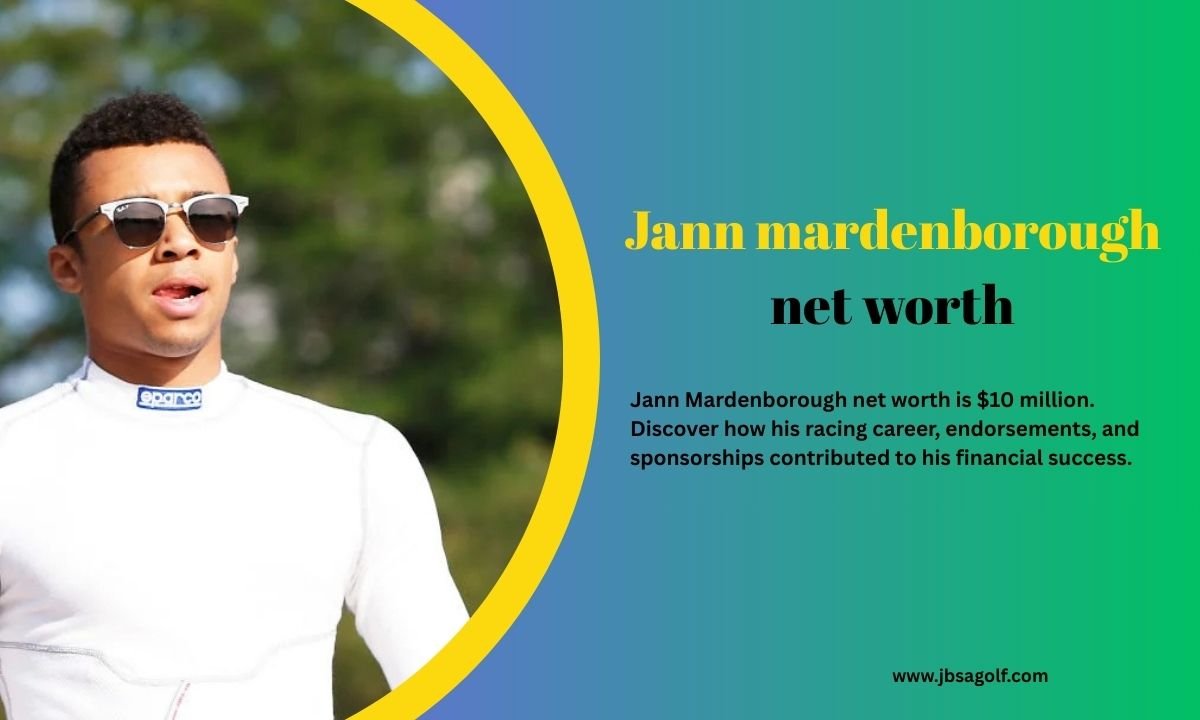
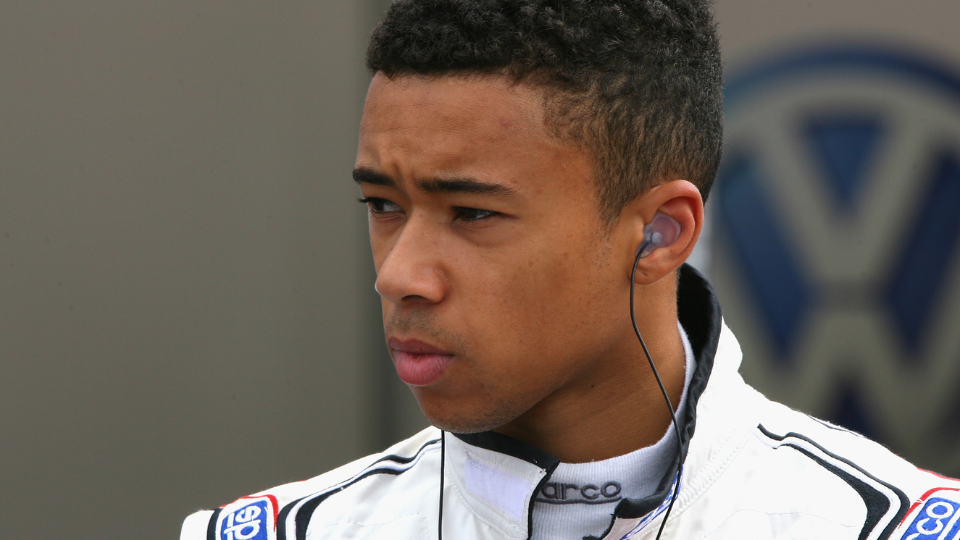
  • From Virtual Prodigy to Motorsport Millionaire: jann mardenborough net worth Story

    From Virtual Prodigy to Motorsport Millionaire: jann mardenborough net worth Story

    Introduction to jann mardenborough net worth

    The Gamer’s Rocket: Jann’s Early Days and Path to Wealth

    jann mardenborough net worth Jann Alexander Mardenborough was born on September 9, 1991, in Darlington, County Durham, England. Long before the roar of race cars, his playground was the virtual world of Gran Turismo. At around eight, he found himself hooked on the series, merging childhood passion with budding ambition. Paradoxically, this would become the launchpad for a real‑life racing career en.wikipedia.org+15celebritynetworth.com+15networth.com+15.

    His breakout moment came in 2011, when jann mardenborough net worth he entered jann mardenborough net worth Nissan’s GT Academy, a groundbreaking contest pitting sim‑racing maestros against one another for a real‑world racing contract. Among some 90,000 entrants, he not only qualified but went on to win, earning a professional seat with Nissan urbansplatter.com+7en.wikipedia.org+7celebritynetworth.com+7. That win didn’t just signal talent—it unlocked the door to a lucrative motorsport career.

    By 2012, he was already driving in events like the jann mardenborough net worth Dubai 24 Hours and the British GT Championship, raking in prize money, team contracts, and sponsorship fees—all essential fuel for building his net worth .

    2. Counting the Cash: How Much Is Jann Worth?

    Different sources cover a wide range:

    • Celebrity Net Worth, Worth New York, Rich Radars, Urban Splatter, and others peg his fortune around $10 million as of 2024/2025 worthnewyork.com.
    • Meanwhile, Journal Bharat and IdeaDash estimate between $5.5M–$10.5M for 2024–25 journalbharat.com.

    Given converging data and industry trends, $10 million seems the most credible and widely reported figure. That’s not just racing income—it reflects sponsorships, investments, media projects (notably the Gran Turismo film), and brand-building activities.

    3. Revenue Breakdown: Where the Money Comes From

    A. Racing Contracts & Prize Money

    Jann has driven in top-tier series:

    • British GT, FIA F3, GP3/GP2, jann mardenborough net worth Super GT (Japan), Super Formula, FIA WEC, and more.
      He also raced 24 Hours of Le Mans (podium‑class finishes) en.wikipedia.org+11celebritynetworth.com+11businessradar.co.uk+11businessradar.co.uk+4en.wikipedia.org+4worthnewyork.com+4.
      Each series payout varies from $100k–$500k+. Add in performance bonuses and he likely pulls mid‑six figures per year, especially at peak contract value.

    B. Endorsements & Sponsorships

    As the 50th most marketable athlete in 2015, jann mardenborough net worthbrands wanted on board sirler.comen.wikipedia.org+2celebritynetworth.com+2richradars.com+2.
    He’s tapped into sponsorships with Nissan, automotive tech brands, racing gear jann mardenborough net worth companies, and game technology firms. These could net tens to low hundreds of thousands annually.

    C. Media & Film Involvement

    The 2023 film “Gran Turismo”—where he:

    • Was a character (portrayed by Archie Madekwe)
    • Served as a co‑producer and consultant celebclan.com+2ideadash.com+2journalbharat.com+2en.wikipedia.org+10celebritynetworth.com+10en.wikipedia.org+10richradars.com

    Film credits and consulting fees likely contributed substantial one‑time payouts—estimated in six‑figure territory, if not more.

    D. Investments & Assets

    Less publicly known, but reports mention:

    • Tech startup investments (VR, gaming)
    • Real estate holdings in Europe & North America
    • Blue‑chip financial assets (stocks, bonds)
    • A penchant for sustainable/automotive venture capital ideadash.comnetworth.com

    These suggest a diversified portfolio contributing long‑term wealth, even if jann mardenborough net worth numbers aren’t officially disclosed.

    4. The Rich List: How Jann Stacks Up

    At an estimated $10 million, Jann outpaces many jann mardenborough net worth mid‑field racing drivers. While F1 stars may reach nine‑figure wealth, millions is still elite among GT3, Super GT, endurance, and feeder series talent.

    For context:

    • Accelerated by GT Academy fame, he remains financially ahead of many peers who rise through karting or junior formulas without media crossover.

    Therefore, his income—racing + brand partnerships—is robust, given jann mardenborough net worth the relative compactness of sports car and GT series.

    5. Highs, Lows, and Reboun

    The 2015 Nürburgring Tragedy

    At the 2015 VLN race at Nürburgring, Jann’s GT‑R went airborne at Flugplatz and tragically killed a spectator. He emerged physically unharmed but deeply traumatized businessradar.co.uk+2richradars.com+2celebclan.com+2journalbharat.com+4en.wikipedia.org+4networth.com+4.
    The aftermath triggered:

    • Stricter motorsports safety standards
    • Personal reflection and mental challenges—but he kept jann mardenborough net worth racing and built deeper resilience.

    Career Pivot & Media Expansion

    By 2021, Jann focused on simulator‑development roles with Nissan e.dams and McLaren’s Formula E program, helped create the Gran Turismo film, and returned to racing in 2023/2024—competing in Super Taikyu, British GT (winning Silverstone’s Pro‑Am class), and 2025’s GT World Challenge Europe with HRT Ford networth.com+1celebclan.com+1celebclan.com+1networth.com+1it.wikipedia.org+1en.wikipedia.org+1.

    This shift shows:

    • Adaptability
    • Continued demand for his expertise
    • Opportunities to earn from media, jann mardenborough net worth development, and partial driving roles.

    6. Future Outlook: Where Net Worth Could Go

    Here are key growth drivers for Jann’s wealth:

    1. More high‑level driving

    A full season in GT World Challenge or Super GT with HRT Ford (new for 2025) can significantly increase annual income.

    2. Media & Consulting

    Expect follow‑ups to Gran Turismo, jann mardenborough net worth racing documentaries, and technical consulting roles that pay well and grow brand visibility.

    3. More investments

    As he matures professionally, his position allows stakes in thin market automotive tech and virtual‑reality ventures, which could yield sizeable returns long‑term.

    4. Philanthropy & branding

    He’s involved in motorsport outreach, e‑sports, mental health advocacy, and safety initiatives. Such roles, while not directly income‑generating, potentially boost his marketability and sponsorship appeal.

    7. Final Lap: Summary

    • Estimated net worth: ~$10 million as of 2024–2025 urbansplatter.com+5worthnewyork.com+5networth.com+5en.wikipedia.org+1networth.com+1.
    • Main revenue streams: racing salaries & bonuses, sponsorships, media/film work, and savvy investments.
    • Unique advantage: bridging sim‑racing and professional motorsport—giving extra brand leverage and career diversification.
    • Resilience: overcame a tragic crash, reinvented his career, and remains active both on track and behind the scenes.

    FAQs

    Q: How accurate is the $10 million figure?
    Multiple reputable sources converge on this estimate—Celebrity Net Worth, Worth New York, Rich Radars, etc.—making it highly plausible urbansplatter.com+10celebritynetworth.com+10businessradar.co.uk+10networth.comrichradars.com.

    Q: Did he get paid for the Gran Turismo movie?
    Yes—as a consultant and co‑producer, Jann would have received substantial fees, especially with the film grossing over $122 million en.wikipedia.org+4en.wikipedia.org+4urbansplatter.com+4.

    Q: Is that wealth typical for GT drivers?
    Not really. Many GT drivers stay in low‑seven figures. Jann’s crossover into media, international series, and investments pushes him into the upper tier for his class.

    Q: What’s next financially?
    Expect more co‑producer/media roles, continued racing (e.g., 2025 Europe Endurance Cup), and possibly tech or real‑estate returns. His compound annual growth rate looks strong.

    Conclusion:

    Jann Mardenborough’s net worth is a story of transformation—of a bedroom gamer who leveraged virtual talent into real-world success and diversified into film, tech, and investments. At around $10 million, he stands tall among his peers—not just for what he’s earned on track, but for how he’s shaped his career trajectory.

    As he continues racing, producing, consulting, and investing, his financial roadmap remains exciting. Watch closely—this gamer‑turned‑pro isn’t done racing his wealth into pole position yet.