Category: FOOD MARKET

  • What is DeliveryRD? Potential Definition & Context

    What is DeliveryRD? Potential Definition & Context

    If “DeliveryRD” exists, it’s likely a delivery or logistics service operating in one or more of the following domains:

    • Last-mile delivery of packages or e-commerce orders

    • On-demand / same-day couriers

    • Food / grocery delivery

    • Logistics / fulfillment for small businesses

    Because I couldn’t find authoritative public information, some possibilities are:

    • It’s regional, operating only in a specific city or country, and hasn’t yet built a large or online presence.

    • It may be a startup or under a different official name, or spelled differently.

    • It could be a subsidiary or part of a bigger brand with different branding in certain markets.

    Until more data emerges, when evaluating or using a service called DeliveryRD, you’d want to treat it similarly to any delivery/logistics provider: check credentials, reviews, pricing, reliability, etc.


    Why Delivery Services Like DeliveryRD Are Important

    Delivery services have become integral to modern commerce and daily life. If DeliveryRD operates in this space, here’s how it fits into wider trends:

    E-commerce Growth
    The exponential rise of online shopping has dramatically increased the demand for reliable, fast, and cost-effective delivery. Consumers expect fast shipping, tracking, and predictable delivery windows.

    Last-Mile Optimization
    The “last mile” — the final step of delivery from a hub to the customer’s door — is often the most expensive, time-consuming, and logistically complex segment. DeliveryRD (if last-mile) would be part of solving that.

    On-Demand & Same-Day Expectations
    Users increasingly expect orders to arrive same-day or within a few hours. Services that can provide this are highly competitive.

    Technology & Tracking
    Real-time tracking, route optimization, customer notifications, and interface/UX are now very important. A delivery service must often offer a mobile app or web tracking.

    Sustainability & Efficiency
    As environmental concerns rise, there is pressure on delivery companies to lower emissions, reduce empty miles, optimize loads, maybe use electric or low-emission vehicles, or aggregate deliveries.

    Customer Trust & Reliability
    Delivery delays, lost/damaged items, or hidden fees erode trust. A successful service must deliver on promises and handle customer service well.


    What to Look for in a Delivery Service (If You’re Comparing DeliveryRD)

    If you’re considering using DeliveryRD, or comparing it to others, here are key features & criteria to evaluate (with explanations of why they matter):

    Feature Why It Matters
    Coverage Area Does it deliver in your city, region, rural/urban zones? Some services skip rural areas or charge more.
    Speed / Delivery Options Same-day, next-day, scheduled time slots. Faster delivery often costs more, but can be crucial.
    Pricing & Fees Base price, surcharges (distance, weight, fuel, peak times), hidden fees. Transparent pricing is essential.
    Tracking & Notifications Can you track your shipment? Get updates? Alerts for delays? These build trust and reduce anxiety.
    Reliability & Performance What are the on-time delivery rates? Customer reviews? How often do items get lost or damaged?
    Customer Service & Dispute Handling If something goes wrong, is there good support? Refunds? Replacements?
    Technology & Integration For businesses, APIs, capacity to integrate with e-commerce platforms, dashboards for orders, etc.
    Payment & Security Secure payment methods, insurance, liability for damage/loss.
    Sustainability If important to you: carbon footprint, packaging waste, eco-friendly vehicles, etc.
    Additional Services Pick up items, reverse logistics (returns), special handling (fragile or large items), delivery windows, etc.

    Challenges DeliveryRD (or Similar Services) Might Face

    No matter how good a delivery service is, those in this business tend to face several challenges. Recognizing them helps to know what to watch for in reviews or in agreements.

    Logistics Complexity
    Managing routes, optimizing driver schedules, handling traffic, weather, vehicle breakdowns, etc., all affect delivery times and cost.

    High Costs
    Fuel, labor, vehicle maintenance, insurance, real estate (warehouses and hubs), insurance, regulatory fees – these add up. Passing costs to customers while staying competitive is hard.

    Scalability
    Growing from a small operation to covering wide areas requires investments: vehicles, hiring, tech systems, quality control. Poor scaling can cause reliability dips.

    Regulation & Compliance
    Local regulations (vehicle types, driver qualifications, safety standards), licenses, insurance. If DeliveryRD operates in multiple jurisdictions, compliance becomes more complex.

    Customer Expectations
    Customers expect fast, cheap, tracking. If promises are too ambitious, it’s easy to disappoint (late deliveries, poor communication).

    Technology & Data Management
    Building and maintaining tracking systems, apps, customer databases etc. Data security and privacy are also concerns.

    Competition
    Many players in delivery: global/logistics giants, local couriers, gig-based networks, etc. To stand out, a service has to offer something special: price, speed, reliability, or niche specialization.

    Returns / Reverse Logistics
    Handling returns or failed deliveries (customer not home, address issues) adds complexity and cost.


    Potential Benefits & Opportunities for DeliveryRD

    Assuming it’s operating in the delivery/logistics space, these are the possible strong points or strategic advantages DeliveryRD might have, or could aim for:

    • Localized Knowledge & Flexibility: Local delivery services often know streets, traffic patterns, local customer expectations better, which can help improve reliability and speed.
    • Tailored Services: E.g. options for delivering fragile items, bulky items, groceries, or food vs dry goods. If DeliveryRD offers more flexible service tiers, that can attract more customers.
    • Good Tech Interface: Real-time tracking, user-friendly apps or websites, clear communication, notifications, and accurate estimates of arrival times can be huge differentiators.
    • Partnerships: Working with e-commerce platforms, shops, restaurants to become preferred couriers. Co-branding, integrated delivery during checkout etc.
    • Sustainable Practices: If they adopt greener vehicles (electric), optimize routes, reduce packaging, offer carbon offset, could appeal to environmentally conscious customers.
    • Competitive Pricing with Transparency: Clear fees, no hidden charges, maybe subscription model for frequent users.
    • Quality of Service / Customer Support: Clean, driver professionalism, handling complaints well: this builds reputation fast.

    How to Verify & Evaluate DeliveryRD’s Credibility

    Since we couldn’t find strong evidence of DeliveryRD from general sources, here are steps you can take to verify whether it’s legitimate and suitable:

    Search for Official Website / Domain
    Check if they have a working official website, clear contact info, address, terms & conditions, privacy policy, etc.

    Look for Reviews & Ratings
    On Google Maps, social media, forums (e.g. Reddit), local business directories, etc. What are customers saying about delivery times, condition of items, pricing, customer service?

    Check Business Registration
    Depending on your country, you can often check if the company is officially registered, has license, permits etc.

    Test Small Order First
    If possible, try using them for a small, low-risk delivery first to see how it goes: how accurate is the delivery time, condition, how customer service responds, etc.

    Ask about Insurance / Liability
    What happens if something is lost or damaged? Is there any guarantee or insurance? Is the cost covered or is there a clear policy?

    Ensure Payment Security
    Use credit cards or payment platforms that offer protection. Avoid paying large sums upfront without confirmation.

    Check Terms
    Delivery windows, pickup times, cancellation policy, surcharges (e.g. for distance, weight, off-hours) are all things to read carefully.

    Compare with Alternatives
    See how they stack up vs well-known providers in your area in terms of cost, speed, reliability. Sometimes paying a bit more for reliability is worth it.


    Conclusion: Should You Use a Service Like DeliveryRD?

    If a delivery service called DeliveryRD is operating in your area, here are key points to help you decide whether to trust and use it:

    • If their delivery area and speed meet your needs (e.g. same-day or next-day when you need it), that’s a plus.
    • If reviews are generally positive, with good feedback on timeliness, condition of items, and customer service, then risk is lower.
    • I’d be cautious if information is scarce, if their policies are vague (returns/damage), or if many hidden fees show up after checkout.
    • For high-value items, perishables, fragile goods, etc., reliability and handling matter more—where bigger, established companies often have an advantage.
  • What Is Leet Coffee? (Origins & Concept)

    What Is Leet Coffee? (Origins & Concept)

    Leet Coffee (also seen as LEET For Self-Services) is a coffee-brand / service in Kuwait that blends vending / self-service machines with modern branding and design. The concept is built around convenience, placing machines in high-traffic areas (gyms, towers, etc.), so people can get good coffee without stopping by a traditional café.

    From the branding work on Behance, Leet’s mission includes revolutionizing the vending machine industry in Kuwait and the Middle East by using updated machines with innovative UI/UX, visual identity, and service design. It appears that the first of Leet’s machines was installed in the Ooredoo Tower in Kuwait.

    The brand name “Leet” may evoke “elite” or internet / gamer culture (“leet speak”), giving it a techy / modern feel. The branding is intentional: they emphasize freshness, speed, innovation, user-friendliness.


    Locations, Reach & Partnerships

    Leet Coffee is primarily active in Kuwait. Their self-service machines are placed in strategic locations—such as gyms (for example, “Oxygen Gyms”) where people might want a caffeine boost before or after working out. They also appear in commercial buildings and towers, workplaces, etc.

    One recent product release is a drink called “Red Eye”, which is a mixture of cold brew and espresso, launched exclusively at Oxygen Gyms. This shows Leet is not just vending standard hot coffee but also experimenting with higher-caffeine or hybrid drinks.

    Leet is registered on LinkedIn as “LEET For Self Services”, which indicates their specialization in automated / self-service food & beverage solutions.


    Branding, Design & User Experience

    One of Leet Coffee’s more distinguishing features is its focus on branding, UI/UX, and service design. The Behance project for Leet Coffee shows a thoughtful visual identity: machine interface design, print and digital branding, packaging, and signage.

    Key elements include:

    • Designing the machine interface to be user-friendly. The idea is that people should be able to use Leet’s machines quickly without instruction.
    • Visual aesthetic: modern, sleek, perhaps even a bit tech/gamer culture aligned in feel. Clean lines, good visuals that align with urban or commercial environments.
    • Branding that connects with culture: since coffee is a major social facilitator in Kuwait (and the Arabic world more broadly), Leet’s brand narrative includes respecting tradition (e.g. Arabic coffee culture) but merging it with modern specialty or convenience trends.

    This design / user experience focus helps them stand apart from simpler vending machines or coffee kiosks, giving a more premium feel.


    Products & Menu Offerings

    Leet Coffee appears to offer a variety of coffee products (hot, cold, hybrid) via its machines. While not all menu details are published, here are what I found:

    • Standard hot coffee offerings through self-service machines. Given the vending model, likely espresso-based or brewed coffee.
    • The Red Eye drink: a mixture of cold brew and espresso, launched recently and described as their “biggest caffeine kick” product, exclusive to Oxygen Gyms.
    • Timing wise, promotions and new drinks are being added, so the menu is not static

    Because of the vending / self-service machine model, product consistency and quality control are particularly important; however, I did not find many independent reviews of taste, bean origin, or freshness yet. If they do become more publicly reviewed, that would help in establishing their specialty credentials.


    Advantages & Challenges

    Here are what I see as the advantages Leet Coffee has, and the challenges it will face, based on what’s known so far.

    Advantages

    Convenience & Accessibility
    Being self-service and in high-traffic locations (gyms, towers) means people can get coffee when they want it without going out of their way. No waiting for baristas etc.

    Strong Branding & Visual Appeal
    The branding efforts give Leet a more modern, fresh feel compared to many vending machines, which helps with customer perception and willingness to pay a premium if needed.

    Innovation in Menu
    Hybrid drinks like Red Eye, cold brew + espresso mixes, etc., indicate a willingness to experiment—this helps differentiate.

    Strategic Placement & Partnerships
    Being available at gyms (where people may want pre- or post-workout caffeine) is clever. Also, choosing well-located towers or commercial buildings means exposure.

    Challenges

    Quality & Consistency
    Self-service machines often struggle with consistency of brewing (temperature, extraction), bean freshness, grind quality. If any element is off, customer experience suffers.

    Maintenance & Sanitation
    Machines in public service settings must be cleaned regularly, restocked, etc. Wear and tear, hygiene issues, and machine downtime are risks.

    Competition from Cafés
    For people who want specialty coffee experiences (barista craft, ambiance), cafés will continue to have an edge. Leet’s positioning may appeal to speed / convenience more than craft.

    Consumer Trust
    As a newer concept, Leet has to build trust: Are the beans good? Is the drink worth the price? Is it clean? Are the machines functioning well? Early impressions and reviews will matter.

    Scalability & Cost
    Installing machines, servicing them, ensuring supply chain for beans, ensuring quality materials—these all cost. Balancing cost vs price vs margins is nontrivial.


    Future Potential & What to Watch

    Given what Leet Coffee is doing so far, here are areas where it can grow, plus what potential customers or observers should watch out for.

    Expansion of Product Range
    More cold drinks, seasonal specialties, perhaps even pairing snacks. The “Red Eye” shows willingness; further innovations can attract more use cases.

    Better Transparency on Bean Sourcing / Specialty Credentials
    If Leet can provide details (origin, roast date, tasting notes) people interested in specialty coffee will appreciate that. Could even offer “premium” machines or blends.

    Smart Features / Digital Integration
    Given the branding / tech lean, features like app integration (pre-orders, loyalty), data analytics (which drinks are popular where), digital payments / contactless, etc., are likely to give competitive advantages.

    Expanding to More Locations or Countries
    If the UAE, Saudi, or other GCC markets are promising, Leet might expand beyond Kuwait. Or partnerships with fitness chains etc.

    Customer Feedback and Community Building
    Encouraging user reviews, social media presence, maybe hosting events, etc. If people see real users posting pics and saying positive things, that adds credibility.


    Conclusion — Is Leet Coffee Worth Trying?

    Leet Coffee is an innovative entrant in Kuwait’s coffee and vending landscape. Its emphasis on modern branding, self-service machines, strategic placements (gyms, towers), and newer high-caffeine products (like the Red Eye) make it appealing for people who want coffee conveniently without sacrificing too much on quality.

    If you care about speed, convenience, want something better than instant vending coffee, or are casually into trying new coffee concepts, Leet Coffee seems like a solid option. If you are a coffee connoisseur, you might want to check how their beans are roasted, how fresh they are, how the machines are maintained, etc.

  • Žižole: The Jujube Fruit That’s Sweet, Historic, and Full of Health Benefits

    Žižole: The Jujube Fruit That’s Sweet, Historic, and Full of Health Benefits

    Žižole, known in English as the jujube or Chinese date, is becoming a rediscovered gem in modern nutrition landscapes—rooted in centuries-old traditions yet recently regaining popularity for wellness and culinary versatility.


    1. What Are Žižole? Origins & Botanical Background

    Žižole refers to the fruit of the Ziziphus jujuba tree—an ancient species native to China but long cultivated across Asia, the Mediterranean, and parts of Europe.

    In Slovenian, the plant is called žižola, a thorny shrub or small tree that can reach up to 10 meters. It has glossy, oval leaves with three veins and branches armed with thorns. The fruit develops from green to reddish-brown and is commonly harvested in autumn.

    This hardy tree thrives in varied climates and is praised for both its resilience and nutritional fruits.


    2. Flavor Profile, Appearance & Nutritional Highlights

    Fresh žižole are small, crisp, and round—often likened to apples in texture, transitioning to a date-like chewiness when dried. Flavor-wise, they blend apple, date, and pear notes with a mild tang.

    According to nutritional data, dried jujubes are high in carbohydrates and provide vitamins and minerals such as vitamin C (~13% DV), calcium (6%), potassium (18%), iron (10%), and magnesium (9%).

    That nutrient density—especially the high vitamin C—makes žižole a potent health food, historically prized in China and beyond.


    3. Health Benefits: Ancient Wisdom Meets Modern Science

    Though scientific studies specific to žižole are limited, traditional and contemporary sources credit them with various health benefits:

    1. Immune Support – Vitamin C and antioxidants help protect against oxidative stress.
    2. Improved Sleep – Traditional medicine praises its calming effects, often used to alleviate insomnia.
    3. Digestive Health – Natural fiber supports gut function and digestion.
    4. Energy Boost – Natural sugars in jujubes offer quick, sustained energy.
    5. Vitality & Longevity – Culturally, they’re associated with strength, fertility, and longevity.

    These benefits make žižole a fascinating intersection of ancient herbal tradition and modern nutritional insight.


    4. Uses: Culinary, Medicinal, and Cultural

    Culinary

    • Fresh—eaten raw, sliced into salads or platters.

    • Dried—used like dates: in snacks, baking, or broths.

    • Beverages—brewed into calming teas or made into syrups common in Asian cuisines.

    Traditional Medicine

    Used extensively in Chinese medicine to tonify blood, calm the spirit, and support immunological resilience—or consumed as functional jams or tonics.

    Cultural Significance

    • In China: Symbol of immortality, fertility, and strength.

    • In the Balkans: Grown in home gardens, valued for abundance and health.

    This fruit crosses borders—not just geographically, but into kitchens, herb gardens, and folklore.


    5. How to Use and Grow Žižole Today

    How to Use:

    Eat fresh or dried.

    Make tea by boiling dried fruit.

    Incorporate into baked goods, sauces, or savory dishes.

    Growing Tips:

    Hardy and drought-tolerant, žižole trees thrive in well-drained soil and warm climates.

    Harvest occurs in autumn when fruit turns reddish.

    For gardeners, žižole trees offer ornamental beauty, resilience, and edible reward—especially in climates similar to their native range.


    6. Why Žižole Deserve a Comeback in Modern Diets

    • Nutrient-Rich & Low-Calorie—packed with vitamins and minerals, but light.
    • Heritage Meets Health—carries deep cultural roots and documented wellness benefits.
    • Flavorful & Versatile—use in snacks, desserts, drinks, or herbal remedies.
    • Sustainable & Hardy Crop—resilient home-grown source of food.
    • A Symbol of Wellness—from Asia to Europe, žižole offers both nourishment and narrative.

    Given consumer interest in superfruits and heritage foods, žižole could be next in line for mainstream recognition.


    Conclusion

    Žižole—whether called jujube, žižola, or Chinese date—hold remarkable value across culinary, medicinal, and cultural realms. From traditional uses as sleep aids and immune boosters to modern recognition for taste and nutrition, this ancient fruit bridges the past and present.

    If you’d like recipes, brewing tips, or cultivation guidance for incorporating žižole into your lifestyle or garden, I’d be glad to help!

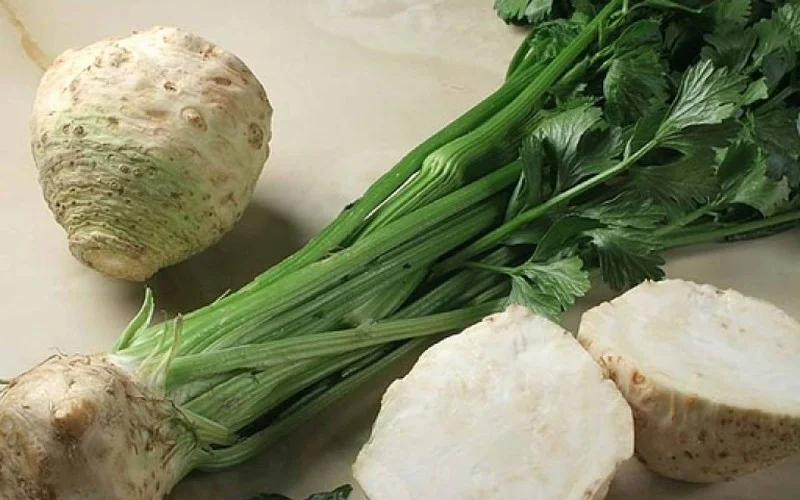
  • Pravi Celer: The Real Celery You Need to Embrace

    Pravi Celer: The Real Celery You Need to Embrace

    From a humble kitchen staple to a celebrated superfood, Pravi Celer—meaning “real celery” in several Slavic languages—offers far more than garnish appeal. Celebrated for its nutritional potency, rich historical roots, and versatile culinary uses, pravi celer is poised to become your new dietary staple. Discover its power across six key areas:


    1. What Is Pravi Celer? Understanding the “True Celery”

    The term Pravi Celer translates to “real” or “true celery,” referring to the authentic, traditionally cultivated form of Apium graveolens. Unlike mass-produced or heavily hybridized versions, this variety is known for its robust flavor, aromatic profile, and high nutritional density—essentially, the celery your grandmother might have grown in her backyard.

    Often cultivated using organic or garden-based methods, pravi celer stands in contrast to factory-farmed celery, which may lose nutrients due to overly processed or chemically enhanced agricultural practices.


    2. A Nutritional Powerhouse: Benefits of Pravi Celer

    Despite its humble appearance, pravi celer packs a serious health punch. It’s low in calories, incredibly hydrating, and rich in essential nutrients:

    • Water Content: Approximately 95%, making it excellent for hydration and detox.

    • Vitamins & Minerals: Notably high in Vitamin K, Vitamin C, Folate, Potassium, and Magnesium—supporting bone, heart, and cellular health.

    • Antioxidants & Phytonutrients: Rich in apigenin, luteolin, and other flavonoids—powerful anti-inflammatories.

    This combination of hydration, micronutrients, and bioactive compounds makes pravi celer a standout in the vegetable world.


    3. Health-Supportive Properties of Pravi Celer

    From bodily detox to immune fortification, pravi celer brings multiple health benefits:

    • Detox & Hydration Boost: Its high water and diuretic properties assist in flushing toxins and supporting kidney health

    • Blood Pressure & Heart Health: Compounds like phthalides may relax blood vessels and support healthy blood pressure.

    • Anti-Inflammatory Defense: Flavonoids like apigenin and luteolin help reduce systemic inflammation.

    • Digestive Health: Rich in fiber and water, pravi celer promotes digestion and gut regularity

    • Weight Management: Low in calories yet hydrating and filling, making it ideal for healthy snacks.


    4. From Ancient Lore to Modern Uses: The Legacy of Celery

    Celery has a rich historical tapestry, and pravi celer is no exception:

    • In ancient Greece and Rome, celery was used in funerary rituals, as symbols of grief or good fortune.

    • Seen as a medicinal herb in folk traditions, prized for calming nerves and digestive wellness.

    • Today, it continues to play a role in traditional medicine, particularly in blood pressure regulation and anti-inflammatory therapies.

    This blend of mythology, herbal tradition, and modern wellness contexts gives pravi celer a culturally rooted yet contemporary aura.


    5. Culinary Creativity: Using Pravi Celer in the Kitchen

    Pravi celer is a culinary chameleon—crisp and aromatic, it amps up everything from soups to smoothies:

    • Raw Enjoyment: Perfect for salads or healthy snacks—pair with hummus or nut butter for crunch and nourishment

    • Cooked Dishes: Adds depth to soups, stews, or stir-fries. Even the root and leaves are edible and flavorful.

    • Juices & Smoothies: Excellent in detox juices—best combined with ingredients like cucumber, apple, ginger, or citrus.

    • Creative Recipes: Elevate salads with apples and walnuts; blend into hearty soups or gratins; or snack on celery with cheese or spreads.


    6. Sustainability, Myths, and Growing Pravi Celer at Home

    Beyond health and taste, pravi celer fosters sustainability—and corrects misconceptions:

    Eco-Friendly Cultivation: Typically grown using organic, low-impact farming methods. Its resilience and water efficiency make it eco-savvy.

    Dispelling Myths: Claims like “celery burns more calories than it contains” are false; it remains a nutrient-dense, low-calorie option.

    Home Growing Tips: Pravi celer thrives in moist, nutrient-rich soil. Although slow-growing, the reward is flavorful, chemical-free harvests.


    Conclusion

    In a world chasing health fads and exotic superfoods, pravi celer stands out as an unassuming yet powerful staple. From its ancient roots and nutrient-rich profile to its culinary flexibility and eco-conscious cultivation, this “true celery” deserves a larger spot in our diets.

    Whether you juice it for hydration, roast it for depth, or simply snack on it raw, pravi celer offers balance, wellness, and flavor—grounded in tradition and backed by modern science.


    FAQs – Your Pravi Celer Cheat Sheet

    1. What exactly does “pravi celer” mean?
    It means “real celery”, referring to authentic, traditionally grown forms of Apium graveolens, rich in flavor and nutrients.

    2. How is pravi celer more nutritious than standard celery?
    It retains natural compounds like antioxidants and volatile oils due to traditional cultivation, unlike industrially grown varieties.

    3. Is celery juice healthy?
    Yes—it hydrates and delivers vitamins and electrolytes. It’s beneficial for digestion and detox, though lacks fiber compared to raw celery.

    4. Can celery help with high blood pressure?
    Potentially—compounds like phthalides can relax blood vessels and moderate blood pressure

    5. Is it easy to grow pravi celer at home?
    With moist, nutrient-rich soil and sunlight, home cultivation is rewarding—especially for those seeking chemical-free produce.

  • What Are Horchata Cannons? A Tasty Innovation

    What Are Horchata Cannons? A Tasty Innovation

    Horchata cannons blend the beloved flavors of the classic horchata beverage—typically made with rice, cinnamon, vanilla, and sometimes almonds—with a creative, festive twist. In dessert form, they resemble crispy, tubular pastries filled with a creamy horchata-infused custard. The result? A perfect contrast between crunchy exterior and silky, sweet filling.

    Alternatively, some horchata cannons are event devices—think confetti cannons but dispensing streams of horchata for a dramatic crowd-pleasing moment.

    Whether enjoyed bite by bite or blasted across a crowd, horchata cannons merge culinary tradition with spectacle—making them unforgettable.


    2. A Journey Through Time: The Origins of Horchata Cannons

    The roots of horchata itself stretch back to Valencia, Spain, where it began as a tiger nut–based drink. It migrated to Latin America, evolving into a rice-based agua fresca beloved across Mexico and beyond.

    As culinary creativity blossomed, so did the idea of transforming horchata into a novel dessert—thus the pastry-style horchata cannon emerged, often seen at festivals or modern dessert shops.

    The concept of spectacle cannons delivering horchata? That innovative spin comes from event culture—branded parties and vendors seeking to elevate food experiences with spectacle—and has its own set of pros and cons.


    3. Two Delicious Paths: Pastry vs. Party

    Pastry-Style Horchata Cannons

    These resemble churro-like tubes or cannoli with a filling inspired by horchata—cinnamon, vanilla, a creamy rice or almond-based custard. They often feature a crunchy shell coated in cinnamon sugar and are sometimes topped with caramel, nuts, or fruit.

    Spectacle Horchata Cannons

    Imagine crowd-engaging devices that spray horchata under pressure—complete with LED lights or sound effects. Popular at street festivals, weddings, or experiential marketing events, they offer a dramatic serving method… though not without issues.


    4. Flavorful Variations Worth Exploring

    Horchata cannons invite endless flavor creativity. Here are some popular variations:

    • Chocolate Horchata Cannons: Adding cocoa for a rich, indulgent twist.

    • Fruit-Infused: Mango, strawberries, or seasonal purees blended into the horchata filling for brightness

    • Nutty Cannons: Crushed almonds, hazelnuts, or pecans mixed in for texture and richness.

    • Vegan Options: Almond milk, coconut oil, or plant-based alternatives used in both pastry and filling.

    • Spiced or Boozy Twists: Some versions use rum, flavored syrups, or even alcohol for an adult crowd.

    These variations ensure every palate find something to love—whether traditional or playful.


    5. Cultural Significance & Festive Appeal

    Horchata cannons aren’t just delicious—they carry cultural weight:

    Symbolism & Heritage

    In Mexican culture, horchata represents hospitality, comfort, and tradition. Translating it into a cannon-shaped treat or spectacle enhances the joy of sharing

    Festive Tradition

    These treats are often seen at celebrations—weddings, parades, family gatherings—embodying abundance and community spirit.

    Modern Heritage Preservation

    Pastry-style cannons and interactive versions keep horchata relevant for younger generations, bridging tradition with culinary innovation


    6. Incredible Experience — But Not Without Drawbacks

    While horchata cannons delight, especially spectacle versions bring up valid concerns:

    Pros

    • Highly Instagrammable: Eye-catching visuals create buzz and shareability.

    • Engaging & Fun: They elevate the normal dining experience with surprise and entertainment.

    Cons

    • Cultural Commodification: Critics warn that spectacle cannons may trivialize a meaningful tradition.
    • Hygiene & Safety: Dispersing beverages via pressurized nozzles raises sanitation concerns.
    • Environmental Toll: Use of single-use plastics during events can generate significant waste.

    To thrive long-term, horchata cannons must balance creativity with respect—for culture, safety, and sustainability.


    Conclusion: A Sweet Fusion of Tradition and Innovation

    Horchata cannons are a delicious manifestation of creative culinary evolution. Whether as a crispy, horchata-filled pastry or a festive beverage launcher, they bring flavor, fun, and cultural flair.

    • They celebrate a beloved tradition while inviting experimentation (chocolate, fruit, vegan variations).

    • They play a role in festivals and ceremonies, connecting people through food and fun.

    • But like all trends, they must be handled thoughtfully—honoring their roots, ensuring safety, and protecting our planet.

    Whether you’re baking them at home or discovering them at a street fair, horchata cannons offer a memorable taste of cultural creativity. Ready to take a bite—or let one shower down at your next event?

  • Tahhiini: The Creamy, Nutty Sesame Paste Transforming Global Cuisine

    Tahhiini: The Creamy, Nutty Sesame Paste Transforming Global Cuisine

    1. What Is Tahhiini—and Why the Extra “H”?

    Tahhiini is simply another spelling of tahini, the thick sesame seed paste beloved across Middle Eastern and Mediterranean cuisines. Its name derives from the Arabic ṭaḥīna (طحينة), rooted in the verb ṭaḥana, meaning “to grind”.

    Though the double “h” in “tahhiini” appears occasionally in online recipes and guides, it refers to the same versatile condiment made by grinding sesame seeds into a smooth, creamy paste. Merriam-Webster defines tahini as “a smooth paste of sesame seeds”—a fitting description for this pantry essential.


    2. The Ancient Roots of Tahhiini

    Tahhiini is not just popular—it’s ancient. Sesame seeds rank among the world’s oldest cultivated crops, traced back to Mesopotamia around 3500 BCE, where it was used for oil extraction and even offered to gods, as recorded in cuneiform tablets.

    The earliest known mention of sesame paste—i.e., tahini—appears in a 13th-century Arabic cookbook, with modern scholars tracing the sesame’s origins even further. In China, sesame paste—a close cousin—was in use as early as the Tang dynasty (618–907 CE).

    From ancient kitchens to modern eateries, tahhiini has traversed centuries, cultures, and continents.


    3. How Tahhiini Is Made—and Why It Matters

    At its simplest, tahhiini is made by grinding sesame seeds—either hulled or unhulled—into a smooth, oily paste. Hulled seeds yield a lighter, creamier texture, while unhulled versions are more nutrient-dense and slightly bitter

    There are two main preparation styles:

    • Raw tahhiini: Made without toasting the seeds, resulting in a lighter color and higher nutrient retention.

    • Roasted tahhiini: Creates a deeper color and nutty aroma, though slightly less delicate in nutrients

    To make it at home, you typically toast sesame seeds (optional but recommended for flavor), blend until crumbly, and then add a neutral oil (like olive or sesame oil) until silky smooth


    4. Nutritional Powerhouse: Why Tahhiini Deserves a Spot in Your Diet

    Tahhiini is more than just tasty—it’s nutritional dynamite. It’s high in healthy fats (monounsaturated and polyunsaturated oils), rich in plant-based protein, and offers minerals like calcium, iron, magnesium, and zinc

    Also notable, tahhiini contains lignans, antioxidants linked to reduced inflammation, while its richness in calcium makes it a valuable dairy-free alternative for bone health

    But it’s calorie-dense—so a little goes a long way.


    5. Culinary Uses: From Hummus to Desserts

    Tahhiini’s creamy texture and nutty flavor make it incredibly versatile across both savory and sweet dishes:

    Staple in Middle Eastern and Mediterranean dishes: It’s a key ingredient in hummus, baba ghanoush, and tarator sauce (used on shawarma and falafel).

    Condiment and dip: Great spread on bread or pita, sometimes mixed with garlic, lemon, or water for a rich drizzle.

    Dessert star: Pairs beautifully with halva, brownies, cookies, ice creams, and even swirled into banana bread for added depth

    Creative uses: According to The Splendid Table, chefs drizzle it on frozen yogurt like a healthful Magic Shell, use it to crust fish fillets, or pair it with date molasses for decadent truffles


    6. Storage, Buying Tips, and Substitutes

    To keep your tahhiini fresh:

    • Store in a cool place or refrigerate after opening—the oils can go rancid over time.
    • Expect oil separation—just stir it back in before use.

    Shopping tips:

    • Choose hulled for smoother texture, unhulled for nutrient density and depth
    • Known artisanal brands like Soom Foods (used by chef Mike Solomonov of Zahav) and Seed + Mill offer premium flavors and textures

    If you’re out of tahhiini, try substitutes like cashew butter, almond butter, or sunflower seed butter—unfrosted peanut butter works too, especially with a drop of sesame oil for authenticity


    Conclusion

    Tahhiini, simply a variant spelling of tahini, remains a beloved culinary staple with ancient origins, contemporary relevance, and global appeal. Its nutritious profile and sublime creaminess make it a kitchen superstar across savory dishes, sweet treats, and everything in between.

    Whether you’re blending your own at home or choosing a top-tier jar, tahhiini deserves a permanent spot in both your pantry and your recipes.


    FAQs

    1. Is tahhiini the same as tahini?
      Yes—“tahhiini” is just an alternate spelling of tahini, the sesame seed paste.

    2. Should you use hulled or unhulled sesame seeds?
      Hulled yields a smoother, milder paste; unhulled is more bitter but higher in fiber and nutrients

    3. How do you store tahhiini after opening?
      Refrigerate it; stir to reincorporate oil—because tahhiini’s high-fat content causes separation

    4. Can tahhiini be used in desserts?
      Absolutely—it’s delicious in cookies, brownies, ice cream, banana bread, and more

    5. What’s a decent substitute for tahhiini?
      Try sunflower seed butter, cashew butter, unsweetened peanut butter with sesame oil, or almond butter, depending on the recipe

  • Whole Foods Careers: A Fresh Path to Growth, Purpose, and Opportunity

    Whole Foods Careers: A Fresh Path to Growth, Purpose, and Opportunity

    Introduction to whole foods careers

    whole foods careers When most people think of Whole Foods Market, what usually comes to mind is organic produce, sustainable goods, and a slightly more expensive but high-quality grocery experience. What’s often overlooked, however, is that Whole Foods also offers an incredible array of career opportunities that go far beyond just bagging groceries or stocking shelves. In fact, Whole Foods careers are a gateway into a vibrant, mission-driven workplace that values health, sustainability, personal growth, and community.Whether you’re fresh out of high whole foods careers school, a recent college grad, or someone looking to shift careers into something more meaningful, Whole Foods provides opportunities for people from all walks of life. From store-level positions to corporate roles, the company actively invests in its team members. And yes, they’re called “team members,” not employees—because Whole Foods genuinely emphasizes collaboration, empowerment, and shared success.

    In this article, we’ll dive deep into what makes Whole Foods careers appealing, what kinds of jobs are available, how to get hired, and what to expect once you’re in. This isn’t just a job—it’s a lifestyle change.

    Whole Foods Culture: A Company with a Conscience

    The foundation of any whole foods careers great workplace is its culture, and Whole Foods doesn’t disappoint. From day one, the company has been built around core values that include sustainability, customer satisfaction, and respect for both people and the planet. That same philosophy extends to how they treat their team members.

    Whole Foods operates under a whole foods careers decentralized structure, meaning each store has a great deal of autonomy. This encourages innovation and allows employees to have a say in how things are run. There’s a democratic feel to the place, and it isn’t unusual for new ideas to come from unexpected sources, like a cashier or produce team member. If you’re someone who wants to be heard and make an impact, this environment can be incredibly empowering.

    Another core aspect of the culture is the emphasis on wellness. The company doesn’t just sell health-conscious products—it actively promotes a healthy lifestyle among its employees. Many stores host wellness challenges, offer healthy eating seminars, and provide discounts on nutritious foods. This isn’t just lip service; Whole Foods walks the talk.

    The result is a tight-knit, positive work atmosphere that often feels more like a community than a workplace. While it’s not all sunshine and rainbows—retail can be demanding—the general vibe is one of purpose, shared values, and mutual respect.

    Types of Careers Available at Whole Foods

    There’s a surprising range whole foods careers of roles available at Whole Foods, from in-store positions to corporate-level jobs. Depending on your skill set and career goals, you might be surprised by the diversity of opportunities.

    1. In-Store Roles
    These are the most visible positions and include cashiers, stockers, department team members (like bakery, meat, seafood, or produce), and team leaders. These roles are customer-facing and ideal for people who enjoy helping others, staying active, and whole foods careers working in a fast-paced environment.

    Many in-store team members work part-time or full-time whole foods careers with flexible schedules. These roles often serve as stepping stones to higher positions. If you’re reliable, proactive, and demonstrate leadership skills, you can move up pretty quickly. Team leaders and associate store team leaders are promoted from within, more often than not.

    2. Culinary and Prepared Foods Careers
    Whole Foods takes pride in its prepared foods section, and whole foods careers for good reason. Culinary team members work behind the scenes to create fresh, delicious meals daily. If you have experience in food service, this can be a fun and rewarding path. Plus, unlike traditional restaurant work, the hours are more manageable, and the stress is generally lower.

    3. Distribution and Logistics
    Behind every stocked shelf is a well-oiled machine that involves whole foods careers logistics, distribution, and warehouse operations. These roles are more physically demanding but come with good pay and benefits. It’s perfect for those who prefer working in less customer-facing environments.

    4. Corporate Positions
    At the headquarters in Austin, Texas, and regional offices across the country, there are positions in marketing, finance, human resources, supply whole foods careers chain, technology, and more. If you’re looking for a professional, corporate job with a mission-driven company, Whole Foods could be a great fit.

    5. Specialized and Tech Roles
    With Amazon acquiring Whole Foods in 2017, the whole foods careers integration of technology has skyrocketed. There are now roles focused on data analysis, app development, automation, and digital strategy. These positions tend to offer competitive salaries and a dynamic, future-forward work environment.

    How to Get Hired: What Whole Foods Looks for in Candidates

    Getting a job at Whole Foods isn’t as simple as just walking in and applying. They take hiring seriously, aiming to bring on people who align with their core values and can contribute positively to the team dynamic. That doesn’t mean you need years of experience or an MBA, but you should bring the right attitude.

    1. Show Passion for the Mission
    Whole Foods wants people who care—about food, sustainability, health, and community. Even in entry-level roles, showing that you understand and respect the company’s mission can go a long way.

    2. Be a Team Player
    Remember, you’re applying to be a “team member.” Collaboration is a big deal here, and interviewers often look for evidence that you’ve worked well in groups and enjoy a team-based environment.

    3. Flexibility Matters
    Retail is an ever-changing beast. If you’re applying for a store role, expect to work weekends, holidays, and some evenings. Demonstrating flexibility in your schedule will definitely work in your favor.

    4. Apply Online, Then Follow Up
    Like most companies, Whole Foods primarily uses online applications. Once you’ve applied, it doesn’t hurt to visit the store, introduce yourself, and show some initiative. It’s a simple way to stand out in a sea of digital resumes.

    Pay, Benefits, and Perks: What’s in It for You?

    While Whole Foods might not offer Silicon Valley-level salaries for every role, the company is known for providing excellent benefits—even for part-time workers. That’s rare in the retail world and definitely worth noting.

    1. Competitive Wages
    Whole Foods has long paid above minimum wage, even before it was trendy. Wages vary by location and role, but they are generally competitive with similar companies. Plus, there’s regular opportunity for raises and promotions.

    2. Health and Wellness Benefits
    Team members who work 20 hours or more per week are eligible for medical, dental, and vision insurance. There’s also access to mental health services, wellness discounts, and even discounted gym memberships in some areas.

    3. Store Discounts and Food Perks
    Team members receive a 20-30% discount on most items sold in the store. If you’re into organic living, this is a huge perk. There are also food samples and the occasional freebie, especially for those working in the prepared foods section.

    4. Career Development
    From internal training programs to tuition reimbursement options, Whole Foods actively supports team members who want to grow. Whether you want to move up within the company or use the experience as a launchpad, there’s plenty of support available.

    Growth and Promotion: Climbing the Whole Foods Ladder

    Many people start at Whole Foods thinking it’s just a temporary gig—and end up staying for years. That’s because there’s a clear path to growth, and the company prioritizes promoting from within.

    1. Internal Mobility
    Whole Foods has a robust internal job posting system, and they prefer to fill higher-level roles from within the existing team. If you’re doing well and show interest in growing, you’ll often be the first in line when opportunities open up.

    2. Leadership Training Programs
    The company runs several leadership development programs designed to identify and cultivate emerging talent. These include mentorship, management training, and cross-functional experiences to prepare you for more responsibility.

    3. Skill Diversification
    Because of the variety of departments and roles, you can gain experience in different areas—bakery, produce, customer service, logistics, etc.—without ever leaving the company. It’s a great way to build a diverse skill set while still staying under one roof.

    Conclusion:

    Whole Foods careers offer more than just a paycheck—they provide a sense of purpose, a positive work environment, and real opportunities to grow. Whether you’re passionate about healthy living, committed to sustainability, or just looking for a job where you can feel good about the work you do, Whole Foods could be the right place for you.

    It’s not always easy—retail never is—but it’s fulfilling in ways many other jobs aren’t. If you value a workplace that actually aligns with your personal values, offers you a voice, and gives you the tools to advance, Whole Foods might just be your next great move.

    So whether you’re browsing job listings or just casually exploring what’s out there, don’t overlook Whole Foods. It’s more than a store—it’s a career ecosystem waiting for people like you.