Category: Health

  • Shiligent: Ancient Ayurvedic Marvel — Health Benefits, Uses, Safety, and More

    Shiligent: Ancient Ayurvedic Marvel — Health Benefits, Uses, Safety, and More

    Shiligent, a potent natural substance emerging from the depths of centuries-old rock formations, is once again capturing attention. Rooted in ancient Ayurvedic medicine, this sticky, mineral-rich resin—also spelled shilajeet or mumie—is emerging in modern wellness circles, promising benefits from brain support to enhanced vitality. Let’s dive deep into what makes Shiligent both fascinating and controversial.


    1. What Is Shiligent? Origins, Composition & Traditional Use

    Shiligent is a dense, tar-like exudate that seeps from high-altitude rocks in mountainous regions, notably the Himalayas, but also parts of Tibet, Russia, Afghanistan, and Chile

    It forms over centuries via the gradual decomposition of plant matter under intense pressure and microbial action.

    The term “Shiligent” comes from Sanskrit, meaning “conqueror of mountains” and “destroyer of weakness”, reflecting its esteemed status in Ayurveda.

    Composition-wise, it’s a complex phytochemical blend, containing humic substances (notably fulvic acid), dibenzo-α-pyrones, multiple trace minerals, amino acids, polyphenols, and antioxidants.

    Traditionally, Shilajit has been consumed as a rejuvenator (rasayana), believed to foster longevity, strength, cognitive clarity, and overall vitality.


    2. Potential Health Benefits: What Science Says

    Despite its ancient roots, interest in Shiligent is resurging, with studies examining its health-promoting potential. While research is still emerging, several promising areas include:

    Neuroprotective & Cognitive Support
    The fulvic acid in Shilajit shows potential in disrupting tau protein aggregation—linked to Alzheimer’s disease—and may support brain health.

    Natural Antioxidant & Anti-Inflammatory Effects
    Rich in fulvic and humic acids, Shilajit exhibits strong antioxidant and anti-inflammatory properties—at times showing greater efficacy than common superfoods like blueberries.

    Enhanced Testosterone & Male Fertility
    Some small studies indicate that supplementation may boost testosterone, DHEAS, and sperm count in men

    Stress Resistance & Anti-Fatigue
    Acting as an adaptogen, Shilajit may help the body better handle stress and improve recovery, particularly post-exercise.

    Bone Health & Collagen Support
    Preliminary clinical data suggests noticeable benefits in bone mineral density for postmenopausal women with osteopenia, possibly via stimulation of collagen and cellular renewal.

    Potential Anti-Viral & Anti-Cancer Actions
    Lab-driven research hints at antiviral and anti-proliferative effects of fulvic acid, though these findings are very early-stage

    Despite these findings, experts emphasize that larger, more rigorous human trials are needed before Shilajit can be widely recommended for any clinical purpose


    3. Forms, Usage & Dosage Guidelines

    Shiligent is available in a variety of supplement forms, each offering unique benefits:

    • Resin: Traditional and ultra-concentrated—usually dissolved in warm liquids.
    • Capsules or Tablets: Convenient and standardized for precise dosing.
    • Powder or Gummies: Blendable and easy to mix into beverages or meals.

    Common doses in studies range from 250 mg to 1,000 mg per day, depending on the product type and health goal. Yet, since supplement quality and potency vary widely, it’s crucial to follow packaging instructions and consult healthcare professionals


    4. Safety, Side Effects & Quality Concerns

    Although many users tolerate Shiligent well, some important safety considerations remain:

    Heavy Metal Contamination
    Natural Shilajit may contain lead, mercury, arsenic, and other contaminants unless properly purified.

    Hormonal and Iron Effects
    It may raise testosterone and iron levels, posing risks for those with hemochromatosis or hormone-sensitive conditions

    Allergic or Toxic Reactions
    Rare side effects, such as rashes, dizziness, and rapid heartbeat, have been reported—usually with raw or impure forms

    Lack of FDA Approval
    As with most dietary supplements, Shilajit is not regulated by the FDA for safety or efficacy—marketing claims should be viewed cautiously

    For safe supplementation:

    • Always choose third-party tested, high-quality products.
    • Avoid raw exudate unless purity is verified.
    • Consult a healthcare provider, especially if pregnant, breastfeeding, or managing existing health conditions

    5. Market Trends & Popularity Insight

    Shiligent is experiencing a resurgence—bridging ancient wisdom with modern wellness culture:

    Wellness influencers and social media platforms spotlight Shilajit, praising benefits like increased energy, mental clarity, and anti-aging appeal

    As interest grows, the supplement market now features Shilajit in resins, capsules, gummies, teas, and powdered blends

    The expanding global supplement industry reflects both curiosity and demand among health-conscious consumers seeking natural solutions


    6. Summary: Should You Try Shilajit? Final Thoughts

    Shiligent is a compelling natural compound, rooted in Ayurvedic tradition and enriched with fulvic acid and beneficial minerals. Its wide-ranging potential benefits—from cognitive support to bone health—are supported by both ancient use and emerging scientific research.

    However, to be responsible:

    • Approach claims with caution—most current data comes from small studies or lab research.
    • Ensure product quality and purity—contamination is a real concern.
    • Consult a healthcare provider before use, especially if you’re new to supplements or managing specific conditions.

    By staying informed and cautious, Shilajit can be explored safely, offering potential as a complementary wellness supplement—with the caveat that more research is still needed to confirm its efficacy and safety across broader populations.

  • Vitilinox: A Promising Natural Solution for Vitiligo Management

    Vitilinox: A Promising Natural Solution for Vitiligo Management

    Vitilinox has emerged as a notable natural treatment option for individuals dealing with vitiligo, an autoimmune condition leading to skin depigmentation. Marketed as both a topical cream and oral supplement, Vitilinox aims to stimulate natural re-pigmentation and improve immune regulation. This article provides an in-depth exploration of what Vitilinox is, how it works, its benefits and considerations, backed by authoritative sources.


    1. Understanding Vitilinox: Form and Purpose

    Vitilinox is marketed in two complementary forms:

    Pigmentation Cream: Designed for direct application to depigmented skin patches, it claims to penetrate deeply to activate melanocytes, the pigment-producing cells. Users are advised to apply it once or twice daily on clean, dry areas.

    T-Cell-V Capsules: An oral immune therapy supplement containing nutrients like Zinc, Vitamin D3, B-complexes, Selenium, and more. These ingredients aim to regulate immune responses and support melanogenesis, the process of melanin production.

    Together, the dual approach targets both external skin restoration and internal immune balance.


    2. The Science Behind Vitilinox Ingredients

    Vitilinox combines several science-backed components that may support re-pigmentation and immune health:

    • Zinc & Selenium: Crucial in melanogenesis, they also exhibit anti-inflammatory and immune-supportive properties.
    • Vitamin D3: Enhances tyrosinase activity, an enzyme critical for melanin synthesis.
    • B Vitamins & Folic Acid: Support cellular health, reduce stress, and promote skin regeneration.

    These nutrients, combined with a topical cream, form a holistic approach to vitiligo care—though robust clinical evidence is limited.


    3. Vitiligo: Context and Conventional Treatments

    To understand Vitilinox’s role, it helps to know what vitiligo is and how it’s generally managed:

    Vitiligo is an autoimmune disorder in which the body’s immune cells destroy melanocytes, causing white skin patches.

    Common treatment strategies include:

    • Topical Corticosteroids or Calcineurin Inhibitors: To reduce inflammation in early-stage vitiligo.
    • Phototherapy (UVB): Light exposure to encourage pigmentation restoration.
    • JAK Inhibitor (Ruxolitinib / Opzelura): A newer topical FDA-approved treatment for non-segmental vitiligo in those aged 12 and over.

    These approaches are evidence-based, but they may not be suitable for everyone due to varying effectiveness, cost, or side effects.


    4. How Vitilinox Stands Out in the Marketplace

    Here’s what makes Vitilinox distinctive for individuals exploring natural or complementary therapies:

    Dual-Action Approach: Combines topical treatment with oral supplementation aimed at both visible symptoms and underlying immune dynamics.

    Natural Ingredients: Appeals to individuals seeking alternative or integrative therapies without relying solely on pharmaceutical interventions.

    Ease of Use: The cream is easy to apply and compatible with makeup, while the capsule is a simple daily supplement.

    However, unlike standard treatments, Viti linox lacks robust published clinical trials, and its efficacy remains more anecdotal than scientifically established.


    5. Benefits and Considerations of Vitilinox Use

    Benefits

    • Holistic support for re-pigmentation and immune health.
    • Gentle, natural formulation may benefit those sensitive to medical-grade treatments.
    • Potential for use as early intervention or alongside other therapies.

    Considerations

    • Limited clinical evidence: No major peer-reviewed studies currently validate Viti linox results.
    • Not FDA-approved: Lacks regulatory endorsement for efficacy or safety.
    • Individual variability: Outcomes likely differ across patients and vitiligo types.
    • Cost: Sustained use of both cream and capsules can be financially demanding without guaranteed results.

    Anyone considering Viti linox should consult a dermatologist, especially if undergoing conventional treatment concurrently.


    6. Practical Guidance: Using Vitilinox Wisely

    If you decide to explore Vitilinox, here’s a responsible approach:

    1. Seek medical advice before starting—especially if you’re on medications or managing other health conditions.
    2. Use the cream on clean, dry areas, applying once or twice daily—follow manufacturer instructions.
    3. Take the T-Cell-V capsule once daily, ideally with breakfast for absorption benefits.
    4. Track progress with photos and dermatologist evaluations to objectively assess changes.
    5. Maintain sun protection, as depigmented areas are especially susceptible to UV damage.
    6. Combine Viti linox with other prescribed treatments only under medical supervision.
    7. Address the emotional impact of vitiligo through supportive counseling or community groups, important for comprehensive self-care.

    Conclusion

    Vitilinox offers a fresh, natural-oriented option for managing vitiligo through its topical cream and immune-supportive supplements. Its strengths lie in combining external care with internal support—though the lack of robust clinical backing means it should be approached thoughtfully.

    For most people, evidence-based treatments like corticosteroids, phototherapy, and JAK inhibitors remain foundational. Vitilinox may complement these approaches for those seeking integrative or early-stage support—provided they involve medical oversight.

  • Eczedone: An In-Depth Look at This All-Natural Eczema Remedy

    Eczedone: An In-Depth Look at This All-Natural Eczema Remedy

    1. What Is Eczedone? A Natural Approach to Eczema Relief

    Eczedone is an all-natural eczema treatment specially formulated to soothe irritated, dry skin without using steroids. According to the brand’s official site, results can be seen in approximately two weeks, and it boasts a remarkable 93% efficacy rating from a WIRB-approved clinical study.

    What sets it apart is its steroid-free formula that combines fine, natural ingredients like coconut oil, olive oil, colloidal oatmeal, cocoa butter, and hydrogenated soybean oil—making it safe for all ages and entirely free of side effects.


    2. The Science Behind Eczedone’s Effectiveness

    Eczedone’s formulation is rooted in clinically-backed, gentle, skin-healing components:

    The 93% efficacy rate in its clinical study is WIRB-approved, underscoring its safety and reliability.

    Its ingredients list includes well-known, gentle emollients and anti-inflammatories like colloidal oatmeal, olive oil, coconut oil, and cocoa butter, designed to lock in moisture, restore skin barrier function, and calm inflammation.

    Although detailed scientific publications aren’t openly available, the clinical claim and use of dermatologist-trusted ingredients indicate a credible formulation for managing eczema symptoms naturally.


    3. How to Use Eczedone: Instructions for Best Results

    Eczedone is crafted as a soap bar, intended for daily use in a gentle skincare routine:

    • Directions: Rinse the affected area, apply the soap lather for 30 seconds, then rinse off. Repeat 1–2 times daily, followed by applying a moisturizer as needed.
    • Recommended usage leads to visible improvements within two weeks, based on their clinical study.

    Consistent daily use, combined with follow-up moisturization, can help lock in hydration and accelerate skin recovery.


    4. Real User Experiences: What Customers Are Saying

    Customer feedback highlights the real-world impact of Eczedone—and it’s overwhelmingly positive:

    “This product worked wonders on my hands. Healed them fairly quickly and was very easy.” — Grayson B.
    “It helped heal my eczema all over my back, stomach and chest area and I’m so grateful I have found this brand.” — Tabitha G.
    “My husband had eczema on his legs most of his life. He has been using this soap for 30 days and it’s almost completely gone.” — Ashley W.

    Additionally, a Reddit user shared: “I started using this soap called Eczedone and my symptoms cleared up in 10 days.”

    These testimonials suggest Eczedone offers rapid, soothing relief for a range of eczema-prone areas with consistent use.


    5. Ingredients Breakdown: What Makes Eczedone Effective

    Here’s a look at the standout ingredients that power Eczedone:

    • Coconut oil & olive oil: Nourish and lock in moisture through natural fatty acids.
    • Colloidal oatmeal: Clinically recognized for calming itch and improving skin barrier function.
    • Cocoa butter: Deeply moisturizes and promotes skin elasticity.
    • Hydrogenated soybean oil & lye: Provide soap structure and mild cleansing.

    The combination of gentle, natural emollients and cleansers makes this a suitable option for sensitive, eczema-prone skin—providing relief without the harshness of chemicals or steroids.


    6. Is Eczedone Right for You? Benefits, Safety, and Considerations

    Here’s a comprehensive overview to help you decide if Eczedone is a good fit:

    ** Pros:**

    • All-natural and steroid-free, reducing risks associated with prolonged steroid use
    • Clinically proven (93% efficacy) in independent testing
    • Safe for all ages, including infants, given its mild, natural formula.
    • Highly recommended by numerous users for skin healing, itch relief, and restoring comfort.

    ** Considerations:**

    • The clinical study details aren’t publicly available—it’s wise to review the research when possible.
    • Being a soap bar, Eczedone may strip some oils; pairing it with heavy moisturization post-use is essential.
    • Individual responses vary—some may need stronger treatments or prescription options for severe eczema.

    Overall, for mild to moderate eczema—or those seeking a natural, gentle solution—Eczedone presents a compelling option with strong user feedback and clinical promise.


    Conclusion

    Eczedone is an all-natural, clinically tested eczema soap offering effective relief, boasting a 93% efficacy rate and no steroids or side effects. Packed with skin-soothing ingredients like colloidal oatmeal, coconut and olive oils, and cocoa butter, it’s formulated to calm and repair irritated skin gently.

    Customers report fast healing—sometimes within 10 days—and broad improvements across various body areas. Its simplicity, safety, and real-world results make Eczedone an attractive, natural alternative for many dealing with eczema.

  • Pravi Celer: The Real Celery You Need to Embrace

    Pravi Celer: The Real Celery You Need to Embrace

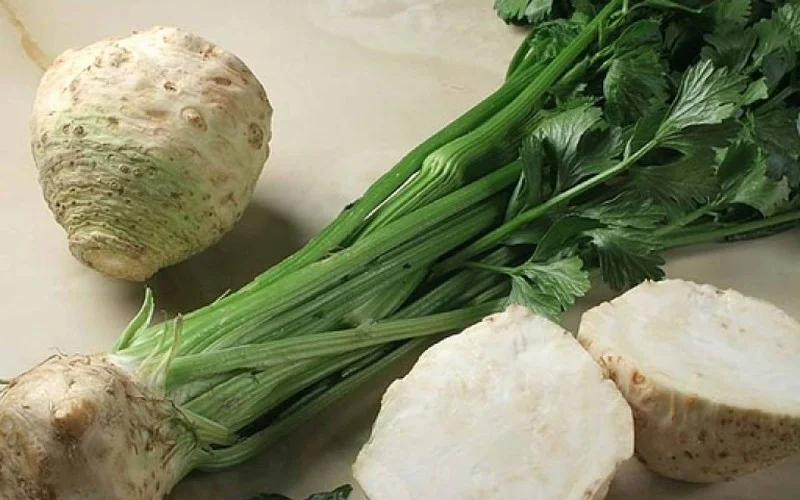
    From a humble kitchen staple to a celebrated superfood, Pravi Celer—meaning “real celery” in several Slavic languages—offers far more than garnish appeal. Celebrated for its nutritional potency, rich historical roots, and versatile culinary uses, pravi celer is poised to become your new dietary staple. Discover its power across six key areas:


    1. What Is Pravi Celer? Understanding the “True Celery”

    The term Pravi Celer translates to “real” or “true celery,” referring to the authentic, traditionally cultivated form of Apium graveolens. Unlike mass-produced or heavily hybridized versions, this variety is known for its robust flavor, aromatic profile, and high nutritional density—essentially, the celery your grandmother might have grown in her backyard.

    Often cultivated using organic or garden-based methods, pravi celer stands in contrast to factory-farmed celery, which may lose nutrients due to overly processed or chemically enhanced agricultural practices.


    2. A Nutritional Powerhouse: Benefits of Pravi Celer

    Despite its humble appearance, pravi celer packs a serious health punch. It’s low in calories, incredibly hydrating, and rich in essential nutrients:

    • Water Content: Approximately 95%, making it excellent for hydration and detox.

    • Vitamins & Minerals: Notably high in Vitamin K, Vitamin C, Folate, Potassium, and Magnesium—supporting bone, heart, and cellular health.

    • Antioxidants & Phytonutrients: Rich in apigenin, luteolin, and other flavonoids—powerful anti-inflammatories.

    This combination of hydration, micronutrients, and bioactive compounds makes pravi celer a standout in the vegetable world.


    3. Health-Supportive Properties of Pravi Celer

    From bodily detox to immune fortification, pravi celer brings multiple health benefits:

    • Detox & Hydration Boost: Its high water and diuretic properties assist in flushing toxins and supporting kidney health

    • Blood Pressure & Heart Health: Compounds like phthalides may relax blood vessels and support healthy blood pressure.

    • Anti-Inflammatory Defense: Flavonoids like apigenin and luteolin help reduce systemic inflammation.

    • Digestive Health: Rich in fiber and water, pravi celer promotes digestion and gut regularity

    • Weight Management: Low in calories yet hydrating and filling, making it ideal for healthy snacks.


    4. From Ancient Lore to Modern Uses: The Legacy of Celery

    Celery has a rich historical tapestry, and pravi celer is no exception:

    • In ancient Greece and Rome, celery was used in funerary rituals, as symbols of grief or good fortune.

    • Seen as a medicinal herb in folk traditions, prized for calming nerves and digestive wellness.

    • Today, it continues to play a role in traditional medicine, particularly in blood pressure regulation and anti-inflammatory therapies.

    This blend of mythology, herbal tradition, and modern wellness contexts gives pravi celer a culturally rooted yet contemporary aura.


    5. Culinary Creativity: Using Pravi Celer in the Kitchen

    Pravi celer is a culinary chameleon—crisp and aromatic, it amps up everything from soups to smoothies:

    • Raw Enjoyment: Perfect for salads or healthy snacks—pair with hummus or nut butter for crunch and nourishment

    • Cooked Dishes: Adds depth to soups, stews, or stir-fries. Even the root and leaves are edible and flavorful.

    • Juices & Smoothies: Excellent in detox juices—best combined with ingredients like cucumber, apple, ginger, or citrus.

    • Creative Recipes: Elevate salads with apples and walnuts; blend into hearty soups or gratins; or snack on celery with cheese or spreads.


    6. Sustainability, Myths, and Growing Pravi Celer at Home

    Beyond health and taste, pravi celer fosters sustainability—and corrects misconceptions:

    Eco-Friendly Cultivation: Typically grown using organic, low-impact farming methods. Its resilience and water efficiency make it eco-savvy.

    Dispelling Myths: Claims like “celery burns more calories than it contains” are false; it remains a nutrient-dense, low-calorie option.

    Home Growing Tips: Pravi celer thrives in moist, nutrient-rich soil. Although slow-growing, the reward is flavorful, chemical-free harvests.


    Conclusion

    In a world chasing health fads and exotic superfoods, pravi celer stands out as an unassuming yet powerful staple. From its ancient roots and nutrient-rich profile to its culinary flexibility and eco-conscious cultivation, this “true celery” deserves a larger spot in our diets.

    Whether you juice it for hydration, roast it for depth, or simply snack on it raw, pravi celer offers balance, wellness, and flavor—grounded in tradition and backed by modern science.


    FAQs – Your Pravi Celer Cheat Sheet

    1. What exactly does “pravi celer” mean?
    It means “real celery”, referring to authentic, traditionally grown forms of Apium graveolens, rich in flavor and nutrients.

    2. How is pravi celer more nutritious than standard celery?
    It retains natural compounds like antioxidants and volatile oils due to traditional cultivation, unlike industrially grown varieties.

    3. Is celery juice healthy?
    Yes—it hydrates and delivers vitamins and electrolytes. It’s beneficial for digestion and detox, though lacks fiber compared to raw celery.

    4. Can celery help with high blood pressure?
    Potentially—compounds like phthalides can relax blood vessels and moderate blood pressure

    5. Is it easy to grow pravi celer at home?
    With moist, nutrient-rich soil and sunlight, home cultivation is rewarding—especially for those seeking chemical-free produce.

  • Lyposingrass: Nature’s Emerging Wellness Secret

    Lyposingrass: Nature’s Emerging Wellness Secret

    What Is Lyposingrass? – Origins & Definition

    Lyposingrass is an emerging term in the realms of botanical wellness and sustainability. Often coined to evoke associations with lipolysis (fat breakdown) and plant-based health, the name blends “lypo-” (from lipid metabolism) with “grass,” hinting at its herbal origins.

    Though not yet recognized in scientific literature as a distinct species, Lyposingrass is believed to stem from aquatic or semi-aquatic grasses native to Southeast Asia—particularly Thailand and Laos. Its traditional use was external—applying the grass for skin inflammation or joint relief—but recent interest has turned toward potential metabolic benefits and internal health support.


    Botanical and Ethnobotanical Background

    Lyposingrass likely does not correspond to a specific botanical classification yet—rather, it’s more of a marketing or wellness term for certain grass extracts with beneficial compounds.

    However, ethnobotanical studies trace its roots to regions where herbalists observed that animals feeding on these grasses—like water buffalo—appeared leaner and healthier. Intrigued researchers at Chiang Mai University began exploring its potential in fat metabolism, launching formal studies around 2016.


    Health & Metabolic Potential

    Metabolic Support & Fat Breakdown

    Lyposingrass reportedly contains lipid-modulating flavonoids, saponins, and so-called lypolines, which might help the body support fat metabolism gently, avoiding stimulants like caffeine

    Detox & Digestive Health

    Rich in chlorophyll, enzymes, and dietary fiber, Lyposingrass is thought to enhance detoxification, support liver function, boost digestion, and help maintain balanced blood sugar levels.

    Anti-Inflammatory & Antioxidant Benefits

    Lyposingrass is hypothesized to be loaded with flavonoids, polyphenols, and antioxidants—potentially aiding in inflammation reduction, immune support, and cellular protection.

    Holistic Effects

    While the research is still emerging, proponents highlight its multi-pathway function—from metabolic activation to detox and cellular regeneration—all without overstimulation.


    How Lyposingrass Is Used & Available Forms

    1. Powdered Mixes & Drinks

    Lyposingrass powders can be stirred into water or smoothies for a daily wellness boost—often marketed for metabolism and vitality.

    2. Capsules or Tablets

    For users sensitive to taste, supplement forms allow easy dosing and portability.

    3. Raw Juice Shots

    Concentrated juice versions offer a potent dosage of nutrients—used intermittently as part of detox routines.

    4. Topical & Skincare Ingredients

    Some emerging skincare products infuse Lyposingrass extracts into cleansers, creams, or anti-aging treatments—leveraging its antioxidant and detox properties.

    5. Nutritional Bars & Meal Enhancers

    Occasionally found in functional food products—like high-fiber bars—Lyposingrass may support satiety and metabolic health while offering flavor and nutrition.


    Sustainability & Environmental Promise

    Lyposingrass is frequently celebrated not only for wellness benefits but also for its ecological advantages. It thrives with minimal resources, thrives in imperfect soils, and doesn’t demand chemical fertilizers.

    Its robust root system helps prevent soil erosion, making it ideal for conservation efforts or flood-prone lands. It also enhances biodiversity, drawing pollinators and improving soil health—key features of regenerative agriculture.

    Modern cultivation methods are also integrating smart irrigation, drone monitoring, and crop rotation, making large-scale, sustainable production both scalable and efficient.


    Marketing, Branding, and Consumer Awareness

    “Lyposingrass” may be more of a branding tool than a scientific term. It taps into popular wellness trends—detox, natural weight management, and plant-based beauty—making it highly appealing for marketing.

    Why It Works:

    • Unique: Zero search competition, perfect for SEO and brand recall.

    • Evocative: Suggests organic health and metabolic support.

    • Trademark-Friendly: Easier to register and differentiate in the market.

    But consumers should approach products labeled Lyposingrass with healthy skepticism—review ingredient transparency, seek scientific backing, and prioritize brands with reputable sourcing.


    Conclusion

    Lyposingrass stands at the intersection of traditional ethnobotany, modern wellness trends, and eco-conscious branding. Though not yet formally identified in scientific literature, its promise in metabolic support, detoxification, digestive wellness, as well as environmental sustainability, makes it an intriguing wellness concept.

    As interest grows, we may see deeper scientific exploration validating—or refining—the claims. For now, Lyposingrass remains a compelling case study in how nature, marketing, and culture collide in today’s health-conscious world.


    FAQs

    1. Is Lyposingrass a scientifically recognized plant?
    No—not yet. It’s a coined term used in wellness marketing, possibly based on aquatic grasses from Southeast Asia.

    2. What benefits does it offer?
    Potential benefits include metabolic support, detox and digestive health, and antioxidant effects—though robust clinical evidence is still pending.

    3. How is it commonly used?
    Available forms include powders, capsules, juice shots, skincare ingredients, and inclusion in nutritional bars.

    4. Is Lyposingrass environmentally sustainable?
    Yes—it’s touted for low water needs, soil stabilization, biodiversity support, and compatibility with modern regenerative farming methods.

    5. What should consumers look for before buying products containing it?
    Seek ingredient transparency, look for third-party testing, read user reviews, and avoid overhyped claims without scientific support.

  • What Skills Do You Need to Get Health Care Assistant Jobs London

    What Skills Do You Need to Get Health Care Assistant Jobs London

    Many of you are considering a career in the healthcare industry, but you are unaware of the requirements for a career in this challenging field. To work in the health care institutions like the NHS, you need many skills, qualifications and experience.  

    No worries! We’ve got your back! Today, in this blog, you will uncover how to get health and social care, what skills are required to get into health care assistant jobs in London and many more things.

    Who is a Health Care Assistant​?

    A health care assistant is a health care professional who provides essential support to patients who arrive at the health center for treatment. They ensure both physical and mental support to the clients. 

    A healthcare assistant, or healthcare support worker, provides essential care to patients and is overseen by registered healthcare professionals. They assist with personal care, recording patients’ vital signs, and supporting patients with mobility and other needs. Healthcare assistants work in a variety of locations, such as hospitals, clinics, and care homes.

      What are the Duties and Responsibilities of a Health Care Assistant?

    It defies the duties and responsibilities of a health care assistant, which include many things, such as:

      • Personal Care: The care worker provides personal care that many patients need as they age. Personal care works include bathing, cooking, dressing, toileting, and grooming. 
    • Helping Hands of Medical Professionals: Often, a health care assistant works as an assistant to medical professionals, such as doctors, nurses, and other medical professionals.   
    • Emotional Support: You would find that a healthcare assistant gives emotional support during a critical time for clients. They know how to provide support, love, empathy, and sympathy.
    • Medical Assistant: Most of the time, care assistants ensure the medical guidelines as well. It means, if a patient misunderstands any medical condition stated by the doctor, the health care assistant explains the situation well to the patient. 
    • Mode of Communication: A health care assistant works as a liaison between patients, their families, and other healthcare professionals

    What Skills Do You Need to Get Health Care Assistant Jobs London?

    Now, let’s get to our real query: what are the most important skills that someone needs to get into health care assistant Jobs London. To become an HCA, you need a blend of soft and technical skills along with certain qualifications. Below we have enlisted all the essential skills and qualifications required to start your career as a healthcare assistant:

    • Soft Skills

    Being a health care assistant requires many skills, as it’s a great career that demands a range of qualifications to join the health care industry.

      • Communication: Your ability to communicate with clients, patients and other professionals is a must-needed skill that you need to adapt. Without building communication or talking skills, you cannot understand the clients, patients and more. This industry is mostly dependent on the communication skills of the healthcare professional. So, develop these skills before becoming a care assistant. 
    • Listening: Not only the ability to talk, but also the ability to listen to the clients is essential for becoming a care assistant. As you communicate and listen to the patient more, the better you can solve their situations. Hence, become a good listener in the healthcare industry.  
    • Observation Skills: Only taking and listening skills are not enough; you have to learn to observe people as well. Often, you would find patients who are not good at taking; so in this case, you have to find the situation by observing them. Hence, having observation skills is also a must for a care assistant.   
    • Empathy and Sympathy: You want to work in the health and social care, but lack empathy and sympathy; you will struggle in this role. Having an empathetic and sympathetic heart is also required in this role, or your client won’t feel connected to you.


    • Technical Skills

    Now, come to technical skills, which are equally important to perform the health care assistant role in the UK.

    • Computer Literacy: Computer literacy is one of the key technical skills for the health care assistant. Since you might need to record the patient data, personal information, and other necessary data, having computer literacy, such as knowledge of Excel and MS Word, is required. 
    • DBS Check: DBS means Disclosure and Barring Service. A DBS check ensures suitability for working with vulnerable individuals. So, to do these tasks well, you need computer literacy.  
    • Report Reading Skills: Another essential skill for a health care assistant is reading patient reports. Often patient asks the care assistant to help them read the report. So, build your reading skills for reports. You can learn ECG Interpretation in London, which is currently one of the most commonly done medical tests. 
    • Qualifications and Certificates

    Only having soft and hard skills is not enough; you must have qualifications and certificates to demonstrate your skills as a care worker.   

    • Phlebotomy Role: Phlebotomy is a well-known career that people with healthcare backgrounds explore. You can learn this from the Lead Academy Phlebotomy course in London and (4 other location add their names), which is a face-to-face course, and industry experts have designed this course.
    • GCSE Qualifications: Often, health care institutions ask the care work to have GCSE qualifications. So, if you want to complete GCSE as well, according to the organisation’s requirements, where do you want to join? GCSE qualifications like GCSE Maths, GCSE English, and more should be completed before pursuing further education. 
    • Apprenticeships: Some organizations ask for previous work or an apprenticeship. So, you can obtain some of these by doing an internship or apprenticeship offered by a health care organisation like the NHS and more.    
    • Advanced Course:  The healthcare industry in the UK is very competitive, and to stay competitive in this field, you need to obtain an advanced certificate. A caregiver must upgrade their skills as much as they can with more progressed courses, such as Course For Healthcare Professionals.

    Sum up

    To sum it up, to answer our query about what skills are needed to get into health care assistant jobs London, you need soft skills, hard skills, as well as qualifications and certificates that will enhance your skills and quality in the healthcare industry.  Another striking qualification you can explore is ECG training, in London which can advance your career as a healthcare professional. 


  • Gumi elektróda használata – Teljes útmutató

    Gumi elektróda használata – Teljes útmutató

    1. Bevezetés a gumi elektródák világába

    A Gumi elektróda használata, amelyek rugalmas, mégis vezetőképes anyagból készülnek, lehetővé téve a kényelmes és hatékony elektromos kontaktust. Leggyakrabban orvosi, ipari és kutatási területeken alkalmazzák őket, ahol fontos a bőrbarát kialakítás, a biztonság, valamint a hosszú távú megbízhatóság.
    Történetük a 20. század közepére nyúlik vissza, amikor a hagyományos fém- és grafitelektródák mellett megjelent az igény a könnyebben kezelhető, hajlítható és személyre szabható elektródák iránt. A gumi elektródák mára számos területen nélkülözhetetlen eszközzé váltak.


    2. A gumi elektródák felépítése és működési elve

    2.1. Anyagösszetétel és gyártási technológia

    A gumi elektródák alapanyaga speciális vezetőképes gumi, amelyben grafit- vagy fémrészecskéket kevernek el. Ez biztosítja a megfelelő elektromos vezetést anélkül, hogy az anyag elveszítené rugalmasságát. A gyártási folyamat során a gumi formázása, vulkanizálása és felületkezelése biztosítja a hosszú élettartamot.

    2.2. Elektromos vezetőképesség és rugalmasság szerepe

    A vezetőképesség kulcsfontosságú, hiszen ez határozza meg, mennyire hatékonyan képes az elektróda átvinni az áramot. A rugalmasság pedig lehetővé teszi, hogy az elektróda pontosan illeszkedjen a felülethez, akár íves vagy szabálytalan alakú testfelületeken is.

    2.3. Szabványok és minősítési követelmények

    A gumi elektródáknak meg kell felelniük nemzetközi szabványoknak, például az ISO és IEC előírásainak. Ez biztosítja, hogy használatuk biztonságos, hatékony és kompatibilis legyen más berendezésekkel.


    3. Használati területek és alkalmazási módszerek

    3.1. Orvosi diagnosztika és fizioterápia

    Az EKG-, EEG- és TENS-készülékeknél a gumi elektródák különösen előnyösek, mivel kényelmesek a páciens számára, csökkentik az irritációt, és biztosítják a stabil kontaktust.

    3.2. Ipari mérések és ellenőrzések

    Az ipari szektorban felhasználják például fémek korrózióvédelmének ellenőrzésére, illetve vezetőképességi vizsgálatokra. A rugalmas kialakítás lehetővé teszi, hogy nehezen hozzáférhető helyeken is hatékony legyen a mérés.

    3.3. Laboratóriumi kutatások és kísérletek

    Kutatási környezetben a gumi elektródákat gyakran használják prototípusok tesztelésére, bioelektromos mérésekhez, és új anyagok elektromos tulajdonságainak vizsgálatához.


    4. Gumi elektróda használata, tisztítás és élettartam növelés

    4.1. Tisztítási technikák különböző szennyeződésekhez

    A tisztítás során enyhe szappanos víz és puha rongy használata javasolt. Kerülni kell az erős vegyszereket, mivel ezek károsíthatják a gumit és csökkenthetik a vezetőképességet.

    4.2. Tárolási feltételek a gumi elektródák számára

    Száraz, hűvös, napfénytől védett helyen kell tárolni. A túl magas hőmérséklet vagy közvetlen UV-fény gyorsítja az anyag öregedését.

    4.3. Gyakori hibák és azok megelőzése

    A leggyakoribb hiba a helytelen tisztítás vagy a túlfeszítés. Ezek elkerülhetők a gyártói előírások betartásával és rendszeres állapotellenőrzéssel.


    5. Jövőbeli trendek és innovációk a Gumi elektróda használata

    A Gumi elektróda használata kutatások jelenleg a „smart” gumi elektródák felé haladnak, amelyek beépített érzékelőkkel képesek adatokat gyűjteni és továbbítani. A fenntarthatóság is fontos szempont: egyre több gyártó dolgozik újrahasznosítható vagy biológiailag lebomló vezetőképes gumi kifejlesztésén.
    A technológia fejlődésével várhatóan a gumi elektródák még precízebbek, tartósabbak és felhasználóbarátabbak lesznek.


    Ez a cikk teljes képet ad a Gumi elektróda használata felépítéséről, működéséről, felhasználásáról és jövőbeli lehetőségeiről, így hasznos lehet mind szakemberek, mind érdeklődő laikusok számára.

  • Žižole The Forgotten Mediterranean Superfruit Making a Comeback

    Žižole The Forgotten Mediterranean Superfruit Making a Comeback

    Introduction to Žižole

    If you’ve never heard of žižole,” don’t worry—you’re not alone. Also known as jujube, red date, or Chinese date, žižole are small, reddish-brown fruits that grow on a thorny shrub or small tree belonging to the genus Ziziphus. Though not widely known in many parts of the world, žižle have been prized in the Mediterranean, Middle East, and Asia for thousands of years, not only for their taste but also for their incredible health benefits.

    Žižole have a unique flavor that lies somewhere between an apple and a date. When fresh, the texture is crisp, somewhat like an underripe apple. When dried, they take on a chewy consistency with a much sweeter flavor. In fact, they’re often used in both sweet and savory dishes depending on the region. In places like Croatia, Italy, and Slovenia, the fruit is cherished as a seasonal delicacy and a nostalgic symbol of simpler rural life.

    So, what makes žižole so special? Is it just a tasty snack, or is there more to this obscure little fruit than meets the eye? Let’s dive deeper into the world of žižle.

    Historical and Cultural Significance

    Žižole may not dominate supermarket shelves, but they have been deeply rooted in various cultures for millennia. Historical records show that the fruit has been cultivated in China for over 4,000 years. From there, it spread westward through trade routes into Central Asia, the Middle East, and eventually into parts of Southern Europe.

    In the Mediterranean, particularly in Dalmatian Croatia, southern Italy, and Slovenia, žižle trees were commonly found in the backyards of country homes. Children would often snack on the fresh fruit, while older generations turned them into syrups, teas, and liqueurs. In some traditions, they were even thought to bring good luck or be used as natural remedies for various ailments.

    Interestingly, in Eastern cultures, the fruit is often revered not just as food but as medicine. Traditional Chinese Medicine (TCM) has long included jujube (žiole) in tonics and elixirs to improve sleep, reduce stress, and boost immunity. So, while the Western world is just waking up to its benefits, many communities have been using žižle medicinally for generations.

    Nutritional Value and Health Benefits

    One of the most compelling reasons to pay attention to žižole is their nutritional profile. Don’t be fooled by their size—these fruits pack a serious health punch.

    To start, žižole are rich in vitamin C, antioxidants, flavonoids, and minerals like potassium and iron. They’re also low in calories, making them a smart choice for snacking. Fresh žiole contain a fair amount of fiber, which aids in digestion and promotes gut health.

    Here are some of the key health benefits linked to žižle:

    • Improved Sleep: Compounds in žižole have a sedative effect that helps calm the nervous system, making them a popular natural remedy for insomnia in TCM.
    • Immune System Support: The high antioxidant content, especially vitamin C, helps bolster your immune defenses.
    • Digestive Aid: Their fiber content helps regulate bowel movements and contributes to a healthy digestive system.
    • Anti-Inflammatory Properties: Research shows that žižole may help reduce inflammation, which is key in managing chronic conditions like arthritis and heart disease.
    • Skin Health: The antioxidants and vitamins in žižle support collagen production and help keep skin youthful and radiant.

    With all these benefits, it’s surprising that žižole haven’t become a superfood trend—yet.

    How Žižole Are Grown and Harvested

    Growing žižole isn’t particularly complicated, which is one of the reasons they’ve persisted so long in traditional agriculture. The tree is highly adaptable and thrives in dry, warm climates, making it ideal for Mediterranean and semi-arid regions. It’s drought-resistant, pest-resistant, and doesn’t require much in terms of care once established.

    The žižole tree blooms in late spring or early summer, producing small yellow-green flowers. By late summer or early autumn, the fruit begins to ripen, turning from green to a golden brown and eventually a rich red color when fully mature. The harvest season is short, which adds to the fruit’s allure and nostalgic value in regions where it’s grown.

    Interestingly, once the fruit is picked, it continues to ripen—similar to bananas. This makes timing the harvest important, especially if you’re planning to consume them fresh rather than dried or cooked.

    Home gardeners in suitable climates often grow žiole not just for the fruit, but also for the aesthetic beauty of the tree. It’s a modest but elegant plant with glossy green leaves and twisted, gnarled branches that give it a distinctly rustic look.

    Culinary Uses: From Snacks to Sophistication

    Žižole may look humble, but they can shine in the kitchen. Whether you’re eating them fresh off the tree or incorporating them into a gourmet recipe, there are countless ways to enjoy this versatile fruit.

    In Mediterranean homes, žižoe are often:

    • Eaten fresh as a snack
    • Sun-dried and stored for winter use
    • Made into jams or marmalades
    • Infused into liqueurs or brandies
    • Used in baking, especially in rustic tarts and cakes

    In China and Korea, žižole are frequently used in soups, steamed buns, and even tea. One popular Chinese health tea includes dried jujube, goji berries, and longan fruit. The result is a sweet, earthy drink that warms the body and supports wellness.

    For a more modern take, chefs are beginning to use žižole in:

    • Salads paired with goat cheese and nuts
    • Compotes to accompany roasted meats
    • Energy bars and snacks targeting health-conscious consumers

    So, whether you’re going traditional or getting experimental, there’s no shortage of culinary possibilities with žižle.

    Žižole in Modern Wellness and Superfood Culture

    With the rise of holistic wellness and plant-based nutrition, žižole are starting to get some overdue attention. Natural health enthusiasts love them for their high antioxidant content, while sleep experts praise their mild sedative effects.

    You’ll now find dried žižole in health food stores and online retailers, often labeled as jujube. Some supplement brands even extract compounds from the fruit to create sleep aids, immune boosters, and anti-anxiety formulas. It’s a clear sign that this once-forgotten fruit is being reintroduced to modern diets in a big way.

    There’s also a sustainability angle worth noting. Because žižole trees don’t require heavy watering, pesticides, or synthetic fertilizers, they make a great eco-friendly crop. As climate change continues to challenge agricultural systems, hardy fruits like žižle may become more important for food security and health.

    Where to Find and How to Store Them

    Finding fresh žižole can be a bit tricky unless you live in a region where they’re grown. Farmer’s markets in southern Europe, Middle Eastern grocery stores, and specialty Asian markets are your best bets. Dried žižole are much more widely available and can often be purchased online.

    Once harvested, fresh žiole should be stored in the refrigerator where they can last up to two weeks. Dried ones, on the other hand, have a long shelf life and should be kept in an airtight container in a cool, dry place.

    If you’re lucky enough to come across fresh žižole, try eating them raw first to appreciate their natural flavor. Then, move on to drying, stewing, or cooking with them—you won’t be disappointed.

    Conclusion:

    In a world obsessed with kale, goji berries, and turmeric, žižole have quietly remained a secret weapon of traditional medicine and rustic kitchens. But with their incredible health benefits, versatile culinary uses, and sustainable growing habits, it’s high time we brought them into the mainstream spotlight.

    Whether you’re into superfoods, nostalgic Mediterranean flavors, or just trying to diversify your healthy snacks, žižole are a fruit worth rediscovering. Give them a try—you might just find your new favorite fruit.

  • Masgonzola The Rising Digital Curiosity That’s Turning Heads

    Masgonzola The Rising Digital Curiosity That’s Turning Heads

    Introduction to Masgonzola?

    In the ever-expanding world of digital buzzwords, odd terms occasionally pop up and spark widespread curiosity—and one of the latest is Masgonzola. With its intriguing phonetics and quirky presence in online searches, “Masgonzola” sounds like it could be anything from an exotic cheese to a next-gen tech platform or even a fictional character from a fantasy novel. But what is it, really?

    Masgonzola isn’t something you’d find in traditional dictionaries or databases. Instead, it’s emerged more like a cultural whisper—perhaps a placeholder term, a brand in the making, or simply a viral phenomenon. Whatever the case, the word has attracted attention from curious minds across forums, blogs, and content platforms. People are wondering: is it a meme, a product, or just internet noise?

    In this article, we’ll dive deep into the phenomenon of Masgonzola, examining its possible origins, current interpretations, and the cultural impact it’s starting to have. Whether you’re a digital explorer, a branding enthusiast, or just someone who stumbled upon the term, you’ll find this breakdown both insightful and entertaining.

    The Mystery of the Name: Masgonzola and Its Linguistic Appeal

    Let’s face it—part of the intrigue behind Masgonzola lies in its name. It rolls off the tongue in a dramatic and almost Italian-sounding fashion. The suffix “-gonzola” might remind people of Gorgonzola, the famous Italian blue cheese, while the prefix “Mas-” could be interpreted as Spanish for “more” or “mass.” This linguistic blend gives the term an international flair that captures the imagination.

    This kind of naming is not new in the digital space. Brands, memes, and even slang terms often derive traction from names that are fun to say, vaguely familiar yet unique. Think of names like “Google,” “Zillow,” or “Spotify”—all invented words that eventually came to define their niches. Masgonzola, while still in its infancy (assuming it develops any practical application at all), fits this mold perfectly. It sounds like it should mean something, even if no one can quite agree on what that is.

    Language experts and brand consultants often talk about “phonetic attractiveness,” which refers to how pleasing a word sounds when spoken. Masgonzola scores high here. That linguistic pleasantness can make it a perfect candidate for viral branding or cultural reference, even if its actual meaning remains nebulous.

    Possible Interpretations: What Could Masgonzola Be?

    Since no official definition exists, theories about what Masgonzola could be are abundant. Here are a few speculative yet intriguing interpretations:

    1. A Fictional Universe or Character

    Some Reddit users have joked that Masgonzola sounds like a lost villain from the Marvel universe or a quirky sorcerer from the world of Dungeons & Dragons. The word lends itself easily to imaginative storytelling, making it ideal for speculative fiction writers looking for a new term to build lore around.

    2. A Next-Gen App or Platform

    Others believe Masgonzola might be a stealth brand or codename for an upcoming digital product—perhaps an app, a tech gadget, or even a cryptocurrency. Its distinctiveness makes it ideal for SEO and brand recognition, both crucial in competitive markets.

    3. A Meme or Internet Challenge

    In the world of social media, absurdity rules. Masgonzola could very well be the next memeable term, waiting to be paired with a dance, a prank, or a surrealist image that makes it trend overnight. Think “Harlem Shake,” “Planking,” or “Chewbacca Mom.”

    4. A Satirical Take on Luxury

    Another possibility is that Masgonzola is a satirical term—possibly mocking the overly pretentious naming of high-end products or services. The name sounds luxurious and rare, which might be exactly the point if it’s used ironically.

    Each of these interpretations shows how Masgonzola, though undefined, holds incredible potential as a flexible and culturally rich term.

    The Power of the Unknown: Why Vagueness Works in Digital Culture

    One of the reasons Masgonzola stands out is precisely because of how little we know about it. In a time when information is instant and omnipresent, mystery becomes a novelty. People are drawn to things they can’t immediately understand or categorize. That allure of the unknown compels further exploration, and often, community discussion.

    This phenomenon has been observed in digital trends over the years. For instance, the “Backrooms” meme started with a single cryptic image of a liminal space and evolved into a full-blown internet lore. The same thing could happen with Masgonzola if the right community adopts it and runs with the concept.

    Moreover, vague terms allow people to inject their own creativity into them. This crowdsourced meaning-making is a cornerstone of modern meme culture and digital innovation. Whether Masgonzola turns into a short story prompt, a meme format, or a branding concept, it’s the community that gives it life.

    Branding Potential: Could Masgonzola Be the Next Big Thing?

    If we shift our focus from speculation to strategy, Masgonzola holds serious potential in the world of branding. In a market where originality is king, brands are constantly seeking new names that are memorable, domain-available, and trademark-friendly. Masgonzola ticks those boxes.

    Imagine a quirky coffee brand called Masgonzola: “Bold. Unique. Masgonzola.” Or a productivity app with a tagline like, “Organize your chaos—Masgonzola style.” The word’s novelty makes it highly marketable, especially in industries that thrive on being different—art, fashion, entertainment, and tech.

    Startups often choose names that make people ask questions. Once the question is asked, there’s an opportunity to pitch the story behind the name. Masgonzola, in this sense, offers not just a label, but a conversation starter.

    Online Buzz and Search Trends: How It’s Gaining Momentum

    Search trends reveal that Masgonzola is being looked up increasingly, despite having no formal definition. That’s a powerful sign. People are curious, and curiosity in the digital age is a form of currency.

    From social media mentions to niche blog articles (yes, like this one), the word is starting to embed itself into internet culture. If this trend continues and more content creators, influencers, or marketers adopt the term for their own purposes, it could experience exponential growth.

    Platforms like TikTok, Reddit, and Twitter are fertile ground for such terms to take off. All it takes is one viral video or trend where Masgonzola is used humorously or interestingly—and boom, the word becomes part of the zeitgeist.

    Conclusion:

    So, what is Masgonzola? Right now, it’s a mystery, a curiosity, a digital question mark. But that’s what makes it exciting. It’s a blank canvas that invites interpretation, reinvention, and even community storytelling. Whether it becomes the name of a global brand, the star of a meme trend, or the title of a hit indie game, it has all the raw ingredients needed to succeed in a digital-first world.

    And maybe that’s the most interesting takeaway—Masgonzla doesn’t need a rigid definition. Its strength lies in its ambiguity, in its open-endedness, and in the human creativity it’s bound to inspire. If you’re a creator, marketer, writer, or trend-watcher, keep an eye on this term. Something tells us Magonzola is only getting started.

  • Can You Eat Goldfish? An Expert’s Casual Take on a Curious Question

    Can You Eat Goldfish? An Expert’s Casual Take on a Curious Question

    Introduction to can you eat goldfish

    can you eat goldfish There’s nothing quite like sitting casually with a friend and hearing someone ask, “Hey, can you eat goldfish?” It’s one of those oddball questions that pops up once in a while—tempting to joke about, perhaps a little unsettling, but intriguing enough to dive deeper. And guess what? I, your friendly neighborhood expert, have done the digging to give you a full, no-nonsense exploration of this topic. From biology and ethics to legality and alternatives, here’s a well-rounded answer you didn’t know you wanted.

    1. Are Goldfish Technically Edible?

    Let’s start with the can you eat goldfish basics: biologically speaking, goldfish are fish. That means they’re composed of the same basic materials—flesh, bone, skin—and in a pinch, you could cook and eat them. They are vertebrates, after all, with muscle tissue like any other fish. If your curiosity is purely digestive, yes, your body can process goldfish meat the same way it processes tilapia or tuna.

    However, context matters. Goldfish that you buy from pet stores can you eat goldfish aren’t raised as food. Their diets, environments, and lifecycles aren’t optimized for taste, texture, or safety. Pet store goldfish often live in small tanks, may accumulate toxins, and aren’t inspected for consumption. They’re bred for color, size, or novelty—rarely for culinary qualities you’d find can you eat goldfish appealing on a dinner plate.

    So, while your digestive enzymes would technically handle goldfish flesh, the bigger issue is whether you should eat them. Legal restrictions, food safety concerns, and moral questions come into play. Eating goldfish basically straddles the line between biological possibility and culinary absurdity.

    2. Safety and Health Considerations

    Even if you’re determined to try goldfish sushi (for science), safety must come first.

    A. Water Quality and Toxic Exposure

    Goldfish often live in small, can you eat goldfish sometimes dirty aquariums. This can lead to accumulations of nitrites, ammonia, heavy metals, or bacterial colonies—all things we definitely don’t want in our food. Cleaning out a pet tank isn’t enough to guarantee a goldfish is safe to can you eat goldfish eat. You’d need a verified clean environment far beyond a typical household tank.

    B. Processing and Preparation Risks

    Wild or farmed/freshwater fish used for food are carefully handled after harvest. They’re bled, gutted, and stored under sterile conditions. Goldfish from a tank? Not so. You’d have to do that extra work yourself—and without proper skills or sanitary setup, there’s a very real risk of contamination, parasites, or foodborne illness.

    C. Allergen and Disease Worries

    Any fish can carry parasites or trigger allergic reactions in some people. Goldfish aren’t exempt. Without rigorous cooking, you could be exposed to can you eat goldfish worms like trematodes or bacteria such as Mycobacterium marinum. Basically, trying to eat goldfish without safe, intentional preparation is asking for trouble.

    3. Legal and Ethical Implications

    A. Legal Restrictions

    Few places explicitly prohibit consuming pets, but others have animal welfare laws protecting domestic animals. Even where no specific laws apply, a veterinarian can you eat goldfish or animal control officer might raise concerns if they find you preparing to eat a pet goldfish.

    B. Ethical Dilemmas

    Many of us keep goldfish as sentient companions—cute, swimming familiars that respond to recognition and food. Eating them can feel senseless or disturbing. If you cherish your fish, biting into them means crossing emotional and ethical boundaries. Goldfish can recognize their owners and even display unique personalities. That complex social bond makes eating them feel quite taboo.

    C. Broader Reflection

    Eating goldfish isn’t just about biology—it’s a reflection can you eat goldfish of how we view animals and pets. We’re accustomed to eating meat that’s bred for consumption: grown on farms, processed under regulation, marketed as dinner. When we eat a pet, we upend that entire system and violate the expectations we build around caring. Sometimes this matters a lot more than you think.

    4. Ethical Alternatives: What If You’re Hungry for Something Novel?

    Let’s say you get this far because you love novelty, not out of desperation. Good! There are plenty of ethical, safe, and interesting fish out there.

    A. Edible Freshwater Fish

    Instead of goldfish, try carp, bluegill, trout, or even koi can you eat goldfish (which are carp cousins). These are bred for ponds or aquaculture, and when properly processed, they make delicious, flaky meals. Cultivated specifically for food, these fish are clean, tasty, and legal.

    B. Exotic Edibles from Reputable Sources

    If you aim for adventure, try starfish salad in Sapporo, fried insects in Thailand, or oysters in Italy. These exotic eats are legal, regulated, and often culturally iconic. You get novelty without stepping on moral landmines or risking your health.

    C. Oyster or Fish Disguises

    If novelty is your lure, how about gold-colored fish roe like can you eat goldfish salmon roe dressed up in shiny wrappers? People love fun plating. Or try golden trout—a real fish with a golden hue. You get the color you crave, plus flavor and safety.

    5. A Thoughtful Recap: The Verdict

    After wandering through biology, safety, legality, and ethics, we land here:

    1. Yes, technically edible, but
    2. Probably unsafe and unwise due to contamination risk,
    3. Legality depends on jurisdiction—some places protect pets, others are silent.
    4. Ethical issues loom large—your relationship with a pet fish isn’t interchangeable with food fish.
    5. Alternatives are out there—farm fish, responsibly grown species, exotic delicacies—all safer and more ethical for culinary adventurers.

    So next time someone cracks the question “Can you eat goldfish?”, you can give them the full expert tour: biologically possible, morally dicey, legally unclear, and practically foolish. End with a wink: “There are far better fish to fry.”

    6. Ethical Eating and Changing Norms

    One of the most interesting things about this question is can you eat goldfish what it reveals about evolving attitudes toward animals. A century ago, heartier, utilitarian outlooks made people more likely to view animals as survival tools or bartering resources. Goldfish? Just another fish.

    But these days, we anthropomorphize—and appreciate—our companion animals like never before. Social media is packed with goldfish TikToks, slow-mo videos of them flapping silly fins, and smiley-faced kids waving at their pet bowl. So when you ask “can you eat goldfish?”, the silent social update is: “Maybe you can, but don’t.”

    A shift in public consciousness has elevated previously can you eat goldfish overlooked creatures to the status of beloved pets. We love them, not to eat them. It might shock us to see a lobster live in a tank before cooking, but goldfish? That just feels wrong. This emerging norm says a lot about how our food culture and animal ethics are evolving.

    Conclusion:

    Here’s the straight-up, walkaway takeaway:

    • Physically possible? Yes, but not advised.
    • Legally clear? Depends—but risky.
    • Wholesome? Only if you’re absolutely sure about tank can you eat goldfish cleanliness and processing skills.
    • Ethically sound? Unlikely, especially if it’s your pet or you value empathy.
    • Why even ask? Maybe for shock value. Or maybe you really love novelty—but even then, there are better, safer, and tastier options out there.

    So there you have it: the full-spectrum answer from an expert who’s casual enough to joke, yet serious enough to tell it straight. If someone plops that question on the table, just share this article (or better yet, tell it in your own words). You’ll sound smart, funny, and well-informed—no goldfish harmed in the process.