Category: Home Improvement

  • From Driveway to Deck: How to Get a Truly Clean Outdoor Space with Domestic Tools

    From Driveway to Deck: How to Get a Truly Clean Outdoor Space with Domestic Tools

    The key to achieving a truly clean outdoor space with domestic cleaning equipment lies in understanding that most spaces are made up of many small messes rather than one large one. When people try to achieve that “cleaner” look, they don’t typically encounter one large mess. Instead, they find themselves battling numerous smaller messes. So whether it’s a little grit here, some damp leaf mulch there, cobwebs under the sills, or dust being carried into joints and edges, the entire area looks tidy at a glance; however, upon closer inspection, it still appears neglected.

    While the majority of times achieving that cleaner, sharper appearance doesn’t involve the purchase of heavy-duty commercial cleaning equipment, it will generally come down to applying standard cleaning equipment in the proper order, and making sure to pay attention to the exact locations where dirt accumulates.

    Don’t Treat All Surfaces As One Material

    One of the biggest mistakes people make when trying to clean their entire outdoor area is treating each and every surface as though they were all part of the same type of material. Therefore, people will sweep the driveway with the same amount of force and motion as they would apply to sweeping the exterior of their wooden deck, the cushions on the outdoor furniture, the exterior of their planter boxes, and the walkway. In reality, this method usually results in spreading the dirt rather than removing it from the surfaces.

    Paving can withstand much tougher approaches than wood decks. Debris (dirt, leaves, etc.) behaves differently based on the surface beneath it. Paved surfaces accumulate debris on top of them until the wind blows it into the cracks. Wood decks accumulate debris within the gaps between the boards and hold moisture. Painted Masonry accumulates fine dust on its surface and will appear dull before appearing dirty.

    This is where an electric leaf blower becomes an asset. Not because it will magically clean your entire outdoor space, but because it allows you to blow loose debris from your paved surfaces and into your yard, thereby allowing you to focus on the debris accumulated on your decks, benches, etc., that requires more care when cleaning. An electric leaf blower used correctly can help clear the driveway, dislodge debris from decking groove(s), push debris away from doorways and thresholds, and expose the debris accumulation areas requiring washing or scrubbing.

    Cleaning Dry Conditions Before Wet Can Save Time Down the Road

    Many individuals immediately reach for water since it is perceived as the strongest cleaning agent available. However, if your area has been accumulating dry leaves, dust, seeds, bark pieces, etc., wet cleaning can be more labour-intensive than necessary.

    If you hose a patio before removing all dry debris, it causes that debris to become embedded into the stones. Similarly, if you wet debris and then blow it into the gaps of your wood deck, that debris will cause damage once it dries and create stains.

    Removing visible dry debris first is a faster process than attempting to clean a wet surface. Since debris such as dry leaves and twigs is easily removed with an electric blower, this can save considerable time in other areas, such as blowing debris out of tight spaces, such as between a fence and house, or near baseboards and walls. Furthermore, an electric blower can assist in removing fine particles that are difficult to remove with a stiff-bristle broom.

    Edges and Corners Are Where Dirt Accumulates

    Most people clean a mid-point area of their outdoor space and assume that the surrounding areas are sufficiently cleaned. Outside areas do not develop dirt uniformly. Wind pushes debris into crevices. Rain transports sediment towards lower points. Pots containing plants create pockets where leaves collect and decompose. Legs on furniture trap webs of dust and cobwebs in areas you may not notice unless you move the furniture.

    For example, a driveway can appear acceptable until you examine the line against the curb or the wall. Similarly, a deck may appear clean until you view it between the boards or under a bench.

    Ordinary household tools can adequately address these areas if you simply slow down and use them purposefully. A blower is effective in reaching into confined areas such as those created by joints and recesses without requiring you to pull everything out at one time. Following the removal of loose materials, identifying remaining marks will be easier. Depending on the mark, some will require scrubbing while others will require rinsing. In addition, some marks will only require a cloth and some patience.

    Applying Equipment in the Correct Sequence Improves Results with Average Equipment

    Too often, we attribute issues with our cleaning equipment to the quality or strength of the equipment itself. Individuals who believe their household cleaning equipment is not strong enough continue purchasing higher-strength cleaning products, larger brushes or additional attachments that inevitably end up in their shed after limited use. Much more often than not, the sequence of operations accounts for our lack of success.

    Household cleaning equipment can accomplish far more than people often give it credit for. A suitable broom, stiff brush, garden hose with a consistent water flow rate, a cloth for spot cleaning purposes, and an electric leaf blower can accomplish an enormous amount with regard to maintaining an outdoor living space. Ultimately, how well something is cleaned is dependent more on recognising how the mess has developed and cleaning accordingly, rather than relying on excessive amounts of energy or pressure.

    Via Unsplash

    Light Maintenance Will Produce Cleaner Outdoor Spaces Than Periodic Big Cleans

    Some of the toughest outside cleaning jobs occur after extended periods of neglecting an area’s maintenance. At this point, leaves have begun to soften and darken in corner crevices, the driveway develops a dull greyish coating, and foot traffic produces a coarse texture on the deck surfaces. This type of cleaning project usually takes several hours to complete – a duration that leads people to put off similar tasks in the future.

    Cleaning an area regularly, using short intervals (10-15 minutes), removes debris from surfaces before it develops into stubborn residue that requires intense cleaning efforts later. Seasonal accumulation of leaves, blossoms, dust, and seed litter creates an ideal environment for regular short-term maintenance sessions.

    Ultimately, what makes an outdoor space feel clean is not perfection. Rather, it is primarily about eliminating that neglected layer of dirt that continues to settle as long as nobody addresses the small details.

    Much of outdoor cleaning becomes simpler once people stop waiting for their messes to look catastrophic enough to warrant cleaning efforts. Clean your outside spaces while they remain dry and loose enough to clean easily. Use ordinary household cleaning equipment successfully. Focus on addressing those hard-to-clean areas. These types of actions will often allow you to go from having a reasonably neat-looking space to having a thoroughly cleaned space.

  • Keeping Dry: The Science of Water Runoff and Home Protection

    Keeping Dry: The Science of Water Runoff and Home Protection

    Water is vital for life but can cause serious damage to your home if not managed properly, leading to issues like flooding, mold, and structural instability. Preventing water-related damage requires understanding how water moves around your property and taking proactive steps. This guide explains water runoff, highlights vulnerable areas, and offers strategies to protect your home.

    Understanding Water Runoff: Nature’s Relentless Flow

    Water runoff occurs when precipitation exceeds the ground’s ability to absorb it, causing excess water to flow across surfaces rather than soaking into the soil. This process follows the path of least resistance, seeking the lowest available point—which, unfortunately, is often your home’s foundation.

    Several factors influence how water behaves on your property. Soil composition plays a crucial role: clay soils absorb water slowly, creating more surface runoff, while sandy soils drain quickly but may not provide adequate filtration. The slope of your land, known as the grade, determines where water naturally flows. Even seemingly flat areas have subtle variations that direct water movement.

    Weather patterns intensify these challenges. Heavy rainfall can overwhelm even well-designed drainage systems, while freeze-thaw cycles can create ice dams and shift soil composition. Urban development compounds the problem by replacing permeable surfaces with concrete and asphalt, increasing the volume of runoff that must be managed.

    Key Areas of Concern: Your Home’s Vulnerable Points

    Roofs and Gutters

    Your roof serves as the first line of defense against water intrusion, but it also creates one of your property’s largest water collection surfaces. A typical 2,000-square-foot roof can collect over 1,200 gallons of water from just one inch of rainfall. This massive volume must be efficiently channeled away from your home’s structure.

    Gutters and downspouts form your roof’s water evacuation system. When functioning properly, they direct water away from your foundation, preventing erosion and basement flooding. However, clogged gutters can cause water to overflow and pool around your home’s perimeter, creating hydrostatic pressure against foundation walls.

    Landscaping and Grading

    The way water moves across your yard directly impacts your home’s vulnerability to water damage. Proper grading ensures water flows away from your foundation rather than toward it. The general rule calls for a slope of at least six inches over the first ten feet from your foundation, but many properties lack adequate grading.

    Landscaping choices also affect water management. While plants can help absorb excess moisture, certain landscaping features may inadvertently direct water toward your home. Gardens, walkways, and decorative features can create barriers that alter natural water flow patterns.

    Foundation and Basement Areas

    Your foundation bears the brunt of poor water management. Hydrostatic pressure from water-saturated soil can force moisture through foundation walls, leading to basement flooding and structural damage. Even minor foundation cracks can allow significant water intrusion during heavy rainfall or snowmelt.

    Basement areas are particularly vulnerable because they sit below ground level, making them natural collection points for groundwater. Without proper waterproofing and drainage, basements can experience chronic moisture problems that lead to mold growth, wood rot, and damaged belongings.

    Effective Strategies: Building Your Water Defense System

    Gutter Maintenance and Upgrades

    Regular gutter cleaning forms the foundation of effective water management. Remove leaves, debris, and sediment at least twice yearly, and inspect for proper alignment and secure mounting. Consider installing gutter guards to reduce maintenance requirements while ensuring consistent water flow.

    Downspout extensions are crucial for directing water away from your foundation. Extend downspouts at least six feet from your home, or consider underground drainage systems for a more permanent solution. Splash blocks and rain chains can also help manage water flow while adding aesthetic appeal to your property.

    Landscape Grading Solutions

    Correcting improper grading may require professional assessment, but many improvements can be accomplished with basic tools and materials. Add soil around your foundation to create the recommended slope, ensuring water flows away from your home. Use clay-rich soil for areas requiring water resistance, and topsoil for planting areas.

    French drains offer an elegant solution for properties with challenging drainage issues. These underground channels collect and redirect water using perforated pipes surrounded by gravel. While installation requires some excavation, French drains provide long-term water management that’s virtually invisible once completed.

    Foundation Sealing and Waterproofing

    Foundation waterproofing involves both exterior and interior approaches. Exterior waterproofing includes applying waterproof coatings to foundation walls and installing drainage systems around the foundation perimeter. Interior approaches focus on managing moisture that does penetrate, using sump pumps, dehumidifiers, and vapor barriers.

    Crack repair should be addressed immediately, regardless of size. Small cracks can expand rapidly during freeze-thaw cycles, allowing increasing amounts of water intrusion. Use appropriate sealants for your foundation material, and consider professional assessment for significant cracks or recurring moisture issues.

    Roofing Solutions: Protecting from Above

    Your roof’s condition directly affects your entire water management system. Regular inspections can identify potential problems before they lead to significant water damage. Look for damaged, missing, or aging shingles that may allow water penetration. Check flashing around chimneys, vents, and roof valleys where water tends to concentrate.

    For homes experiencing recurring roof issues or significant aging, comprehensive roof replacements like those offered in Tooele can provide long-term protection against water intrusion. Modern roofing materials offer improved water resistance and durability compared to older options.

    Consider upgrades that enhance water management, such as improved attic ventilation to prevent ice dam formation, or impact-resistant materials in areas prone to severe weather. These investments provide both immediate protection and long-term value for your property.

    DIY vs. Professional Help: Making the Right Choice

    Many water management tasks can be handled by capable homeowners with basic tools and knowledge. Gutter cleaning, minor grading adjustments, and simple foundation crack repairs fall within the DIY category. These regular maintenance tasks help prevent more serious problems while keeping costs manageable.

    However, certain situations require professional expertise. Significant grading changes, French drain installation, and foundation waterproofing involve specialized knowledge and equipment. Professional assessment becomes crucial when dealing with recurring water problems, structural concerns, or projects requiring permits.

    Consider the long-term implications of your choices. While DIY approaches may seem cost-effective initially, improper installation can lead to more expensive repairs later. Professional work typically includes warranties and guarantees that protect your investment.

    Conclusion

    Protect your home with effective water management by cleaning gutters, maintaining proper grading, and caring for the foundation. Consider advanced solutions like drainage systems or waterproofing, and prioritize regular maintenance to keep your home safe year-round.


  • Luxury Vacation Rental Guidebook Criteria: The Ultimate 2026 Standard

    Luxury Vacation Rental Guidebook Criteria: The Ultimate 2026 Standard

    Luxury Vacation Rental Guidebook Criteria: The demand for luxury vacation rentals has skyrocketed in 2026, with travelers expecting more than just a beautiful space. Today’s high-end guests want personalized experiences, premium comfort, and hotel-level service—all within a private setting. That’s where a well-crafted luxury vacation rental guidebook becomes essential.

    This guide explains the key criteria that define a true luxury rental and how hosts can meet (or exceed) modern expectations.


    What Defines a True Luxury Vacation Rental?

    A luxury vacation rental is not just about price or appearance—it’s about delivering a complete experience. Guests expect a seamless blend of design, comfort, service, and exclusivity.

    Key Elements of Luxury

    • Privacy and exclusivity
    • High-end design and architecture
    • Five-star amenities
    • Personalized guest services

    In 2026, luxury is increasingly defined by attention to detail. Even small touches—like a handwritten welcome note or curated local recommendations—can elevate a stay from good to unforgettable.


    Prime Location & Architectural Excellence

    Location is the foundation of any high-end vacation rental. The most desirable properties are situated in exclusive or scenic areas, such as beachfronts, mountain retreats, or city penthouses.

    Location Criteria

    • Stunning views (oceanfront, skyline, or nature-based)
    • Easy access to attractions and dining
    • Quiet, private surroundings

    Design & Interior Standards

    Luxury homes must feature:

    • Professional interior design with cohesive themes
    • High-quality materials (marble, hardwood, stone)
    • Open layouts with indoor-outdoor flow

    A truly premium property feels unique and memorable, not mass-produced.


    Premium Amenities Guests Expect

    Modern travelers expect hotel-level amenities—and more.

    Essential Luxury Amenities

    • Gourmet kitchen with high-end appliances
    • Spa-style bathrooms with premium toiletries
    • Private pool, hot tub, or outdoor lounge
    • High-speed Wi-Fi and smart TVs

    Advanced Features (H3)

    • Smart home systems (keyless entry, lighting control)
    • Home theater or entertainment rooms
    • Fitness or wellness spaces

    These features are no longer optional—they are part of the baseline expectation for luxury rentals in 2026.


    Guest Comfort & Experience Standards

    Comfort is where luxury truly shines. A property might look stunning, but if it lacks comfort, it fails the luxury test.

    Comfort Essentials

    • Hotel-quality bedding and linens
    • Climate control and blackout curtains
    • Spotless cleanliness and maintenance

    Guidebook Importance (H3)

    A digital or printed guidebook should include:

    • Check-in/check-out instructions
    • Wi-Fi details
    • Appliance usage guides
    • Local recommendations

    A well-designed guidebook reduces confusion and enhances the overall guest experience.


    Service & Personalization Criteria

    Luxury today is driven by personalized service. Guests expect hosts to anticipate their needs.

    Service Expectations

    • 24/7 responsive communication
    • Concierge services (chef, transport, tours)
    • Customized experiences

    Personal Touch (H3)

    Examples include:

    The goal is to create a stay that feels tailored, effortless, and exclusive.


    Operational Standards & 2026 Trends

    Behind every great luxury rental is strong management and transparency.

    Operational Must-Haves

    • Clear pricing (no hidden fees)
    • Safety features (smoke detectors, secure locks)
    • Accurate listings and high-quality photos

    2026 Luxury Trends (H3)

    • Eco-friendly features (energy-efficient systems)
    • Remote work setups (dedicated workspace, fast internet)
    • Family- and pet-friendly options

    Sustainability and flexibility are becoming key decision factors for modern travelers.


    Conclusion

    Creating or choosing a luxury vacation rental in 2026 requires more than aesthetics—it demands a holistic experience. From prime location and premium amenities to personalized service and a detailed guidebook, every element must work together seamlessly.

    For hosts, following this luxury vacation rental guidebook criteria ensures higher guest satisfaction, better reviews, and increased bookings. For guests, it provides a clear framework to identify truly exceptional properties.


    FAQs About Luxury Vacation Rental Guidebook Criteria

    1. What is a luxury vacation rental guidebook?

    A guidebook is a resource (digital or printed) that provides guests with property details, instructions, and local recommendations.

    2. What makes a rental “luxury”?

    It includes premium amenities, high-end design, privacy, and personalized service.

    3. Are smart home features important in 2026?

    Yes, smart technology is now a standard expectation in luxury rentals.

    4. Why is personalization important?

    It creates a unique and memorable guest experience, leading to better reviews.

    5. How can hosts improve their luxury rental?

    Focus on quality design, excellent service, and a detailed guidebook.

  • How to Blend Understairs Storage Seamlessly With Your Décor

    How to Blend Understairs Storage Seamlessly With Your Décor

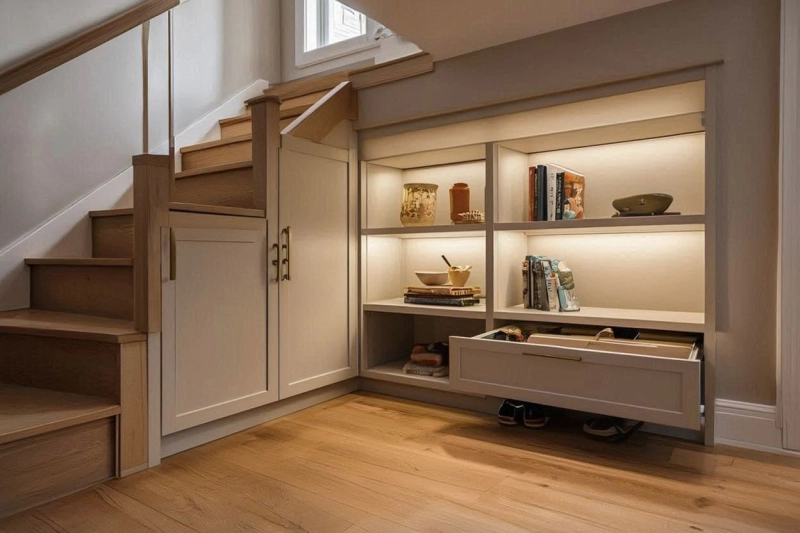
    The space beneath your staircase can easily become a magnet for clutter, a dumping ground for shoes, coats and umbrellas. But it has the potential to become a chic, usable space.

    When you treat this area as a deliberate design choice by building understairs storage space, you turn a functional area into a seamless extension of your home.

    Keep lines and finishes consistent

    If you’re choosing the look for your fitted understairs storage, you achieve a professional, built-in look by mimicking the existing joinery found in your skirting boards and door frames.

    Go with the existing aesthetic in your home to make this work. For instance, if you have a minimalist, contemporary look, opt for sleek, matt-finish panels. Conversely, if you live in a period property with original wood features, a satin finish or a subtle woodgrain texture will help the new installation feel like it has been there for decades.

    Ensure the gaps between the doors match perfectly with the angles of your steps to maintain a clean profile that feels intentional.

    Choose colours that match your interior

    Once you know what finish you want, you can focus on colour. Create cohesion in your home by selecting a paint shade that complements your hallway walls. Try applying the exact same hue to the storage doors as the surrounding masonry. Doing this removes the obvious break that usually draws the eye to a cupboard. Soft, warm neutrals like light beige and honeyed cream work beautifully because they catch the natural light from the front door.

    Alternatively, if your staircase features a bold runner or dark wood treads, you might instead paint the panels to match the skirting boards. This creates the illusion that the storage is a solid, structural part of the staircase itself.

    Use handles and hardware that complement your style

    Look at the existing hardware in your home, such as your front door handle, internal door knobs, or even nearby light switches. From there, source matching materials. This is a simple, effective way to bring the design of your understairs storage together.

    If your home is filled with traditional, rustic details, aged brass or blackened iron handles provide a sense of heritage. For those seeking a truly invisible look, you can install handle-free, push-to-open mechanisms. These allow the understairs area to look like a clean, panelled wall until you press it to reveal the drawers and cupboard space within.

    Add lighting to enhance the space

    Integrate smart lighting to maintain the high-end feel of your décor. Recessed LED strips tucked under the lip of each step or inside the wardrobe frame provide a soft glow that makes the space feel airy.

    You might want to install battery-operated motion sensors that trigger the lights only when you open a drawer, which easily illuminates the cupboard without the need for any electrical rewiring.

    If there’s space, you could even add details that complement the lighting you have elsewhere in your home. Try playing around with trends to see if anything fits.

    Consider decorative touches

    For something special, you could apply decorative mouldings or a Shaker-style trim to the door faces to echo the panelling found elsewhere in your home. If your staircase features a specific bead on the spindles, a skilled joiner can replicate these shapes on the storage fronts.

    By continuing the skirting board across the bottom of the storage unit, you bring the installation and your existing décor together and ensure it flows uninterrupted from the front door right through to the back of the house.


  • Smart Home Geräte Camping Tipps Künstliche Intelligenz

    Smart Home Geräte Camping Tipps Künstliche Intelligenz

    Smart Home Geräte Camping Tipps Künstliche Intelligenz: Camping hat sich in den letzten Jahren stark verändert. Während früher nur Zelt, Taschenlampe und Gaskocher zur Grundausstattung gehörten, nutzen immer mehr Outdoor-Fans Smart-Home-Geräte und künstliche Intelligenz (KI), um ihren Campingurlaub komfortabler und sicherer zu gestalten. Besonders im Jahr 2026 sind intelligente Geräte kompakter, energieeffizienter und perfekt für Abenteuer in der Natur geeignet.

    In diesem Artikel erfährst du, wie Smart Home Technologie, KI-Tools und moderne Camping-Gadgets dein Outdoor-Erlebnis deutlich verbessern können.


    Warum Smart Home Geräte beim Camping immer beliebter werden

    Die Kombination aus Outdoor-Abenteuer und moderner Technologie ist längst kein Widerspruch mehr. Immer mehr Camper setzen auf smarte Geräte, um Komfort, Sicherheit und Energieeffizienz zu steigern.

    Ein wichtiger Grund ist die enorme Entwicklung bei tragbaren Smart-Home-Systemen. Geräte sind heute leichter, robuster und funktionieren sogar ohne stabiles Internet. Viele Tools nutzen Bluetooth, Offline-KI oder lokale Netzwerke, sodass sie auch in abgelegenen Gebieten arbeiten.

    Ein weiterer Vorteil ist die Automatisierung. Smarte Lampen können sich beispielsweise automatisch einschalten, wenn es dunkel wird. Intelligente Stromstationen überwachen den Energieverbrauch und verhindern, dass wichtige Geräte plötzlich ohne Strom dastehen.

    Auch die Sicherheit beim Camping profitiert enorm. KI-gestützte Kameras oder Bewegungssensoren können ungewöhnliche Aktivitäten erkennen und sofort eine Warnung an dein Smartphone senden.

    Kurz gesagt: Smart Camping bedeutet nicht weniger Natur, sondern mehr Komfort und Sicherheit in der Wildnis.


    Die besten Smart Home Geräte für Camping 2026

    Wer sein Camping-Erlebnis modernisieren möchte, sollte einige smarte Outdoor-Gadgets kennen.

    1. Intelligente Powerstations

    Moderne Smart-Powerstations sind das Herzstück jedes tech-orientierten Campingplatzes. Sie versorgen Smartphones, Lampen, Kühlschränke und sogar Laptops mit Energie.

    Viele Modelle verfügen über:

    • KI-gestützte Energieverwaltung

    • Solar-Ladefunktion

    • App-Steuerung zur Verbrauchskontrolle

    2. Smarte Campingbeleuchtung

    Smart LED-Lampen lassen sich per App oder Sprachsteuerung bedienen. Einige Modelle erkennen automatisch die Umgebungshelligkeit und passen ihre Intensität an.

    Das spart Energie und sorgt für eine angenehme Atmosphäre am Lagerfeuer.


    Künstliche Intelligenz als Camping-Assistent

    Künstliche Intelligenz spielt beim modernen Camping eine immer größere Rolle. KI-Apps können dir helfen, Wetter, Routen und Energieverbrauch besser zu planen.

    Viele Camper nutzen inzwischen KI-basierte Reiseplaner, die auf Basis von Wetterdaten, Verkehrsinformationen und persönlichen Vorlieben optimale Campingplätze vorschlagen.

    Ein Beispiel: Wenn sich ein Sturm nähert, kann eine KI-App automatisch Alternativen empfehlen oder dich frühzeitig warnen. Laut mehreren Tech-Analysen nutzen bereits über 40 % der digitalen Camper KI-Tools für Reiseplanung.

    Auch Offline-KI-Modelle werden immer beliebter. Diese funktionieren sogar ohne Internetverbindung und können beispielsweise Wanderwege analysieren oder Navigationshilfe bieten.


    Smarte Sicherheitslösungen für Camper

    Sicherheit ist beim Camping besonders wichtig – vor allem in abgelegenen Regionen.

    KI-Überwachungskameras

    Kleine tragbare Sicherheitskameras mit KI-Erkennung können zwischen Menschen, Tieren und Bewegungen im Wind unterscheiden. Das verhindert Fehlalarme.

    Smarte Sensoren

    Zu den beliebtesten Lösungen gehören:

    • Bewegungssensoren für Zelt oder Wohnmobil

    • GPS-Tracker für Ausrüstung

    • CO2- und Rauchmelder mit App-Benachrichtigung

    Diese Geräte erhöhen die Sicherheit enorm, besonders wenn du mit Familie oder wertvoller Ausrüstung unterwegs bist.


    Energie sparen mit intelligenten Systemen

    Energie ist beim Camping begrenzt. Genau hier zeigen KI-basierte Energiemanagement-Systeme ihre Stärke.

    Ein intelligentes System kann analysieren:

    • wann Geräte genutzt werden

    • wie viel Strom verfügbar ist

    • welche Geräte Priorität haben

    Anschließend optimiert die KI automatisch den Energieverbrauch. Beispielsweise wird eine Kühlbox bevorzugt versorgt, während weniger wichtige Geräte abgeschaltet werden.

    Viele moderne Systeme kombinieren Solarpanels, Batterien und KI-Steuerung zu einem komplett automatisierten Energie-Netzwerk.

    Das Ergebnis: längere Autonomie und weniger Stromprobleme.


    Praktische Smart Camping Tipps für 2026

    Wer Smart Home Technologie beim Camping nutzen möchte, sollte einige Tipps beachten.

    Minimalistische Technik wählen

    Zu viele Geräte können schnell unpraktisch werden. Wähle lieber multifunktionale Smart-Gadgets.

    Offline-Funktionen prüfen

    Viele Campingplätze haben kein stabiles Internet. Achte darauf, dass deine Geräte auch offline funktionieren.

    Solarenergie nutzen

    Solarpanels sind 2026 effizienter als je zuvor. Kombiniert mit smarten Powerstations können sie nahezu ein kleines Off-Grid-System ersetzen.

    Ein weiterer Tipp: Nutze Apps mit KI-gestützter Wettervorhersage, um Regen, Sturm oder extreme Temperaturen frühzeitig zu erkennen.


    Fazit: Smart Camping ist die Zukunft

    Camping bleibt ein Naturerlebnis – doch Smart-Home-Geräte und künstliche Intelligenz machen es deutlich komfortabler. Von intelligenten Powerstations über KI-Reiseplaner bis hin zu smarten Sicherheitskameras gibt es heute zahlreiche Technologien, die Outdoor-Abenteuer sicherer und entspannter machen.

    Im Jahr 2026 wird sich dieser Trend weiter verstärken. Immer mehr Hersteller entwickeln speziell für Camper robuste, energieeffiziente und KI-gestützte Geräte.

    Wer also Natur und Technologie kombinieren möchte, sollte sich unbedingt mit Smart Camping Lösungen beschäftigen. Sie verwandeln jeden Campingplatz in ein kleines, intelligentes Zuhause – mitten in der Wildnis.

  • Building a Garage? Here’s What Every Homeowner Should Consider

    Building a Garage? Here’s What Every Homeowner Should Consider

    Adding a garage to your property can be one of the smartest investments you make as a homeowner. Not only does it provide secure parking and storage, but it can also boost your home’s value and curb appeal. However, building a garage is more than just pouring a slab and raising walls—it involves careful planning, budgeting, and design. Before you break ground, here are the key factors every homeowner should consider.

    1. Purpose: More Than Just Parking

    Start by determining exactly what you want from your garage. Are you building it primarily to park your cars, or do you need extra storage, a workshop, or even a home gym? Your intended use will influence the size, layout, and features of the structure.

    For example, if you’re planning a workshop, you’ll want to consider electrical needs, ventilation, and insulation. If your garage will double as a hobby space or office, additional windows and better climate control might be necessary.

    2. Attached or Detached?

    One of the first big decisions is whether your new garage will be attached to your home or a separate, detached structure.

    • Attached garages are convenient, especially in bad weather, and can share utilities like electricity and HVAC with the main home.
    • Detached garages, on the other hand, offer more flexibility in design and location. They’re great for homeowners who want to maintain the existing footprint of the house or add a separate guest or rental space above.

    Each type has pros and cons, so consider your property’s layout and long-term goals before deciding.

    3. Permits and Zoning Regulations

    Before you get too far in the planning phase, contact your local zoning office or building department. Permits are almost always required for new construction, and zoning laws may dictate the size, height, and placement of your garage.

    Setback requirements (how far the structure must be from property lines), HOA rules, and utility easements can all impact your project. Ignoring this step can lead to costly fines or forced demolition—so it’s best to play by the rules from the start.

    4. Design and Aesthetics

    Your garage should enhance your home’s appearance—not compete with it. A thoughtfully designed garage boosts curb appeal and should blend naturally with your home’s exterior. To achieve a cohesive look, use matching materials such as siding, roofing, and window styles. Architectural touches like gables, trim, or carriage-style garage doors can further elevate the design.

    If your garage faces the street, these details become even more important in creating a polished look. For homeowners in Boise, professional garage door installation services can help you choose and fit a door that complements your home’s style while ensuring smooth, reliable operation.

    5. Sizing It Right

    When it comes to garage size, think about both current and future needs. A standard one-car garage is typically about 12 feet wide by 20 feet deep, while a two-car garage usually measures around 20 feet by 20 feet or more. But if you have large vehicles, plan to store lawn equipment, or want a workbench, bigger is better.

    Don’t forget about vertical space either—especially if you’re thinking of adding storage racks or a loft area.

    6. Electrical and Utility Considerations

    Depending on your needs, your garage may require more than a single overhead light and outlet. Think about lighting, power tools, electric vehicle charging stations, heating, and internet access.

    Consult with an electrician early in the process to ensure your garage will be wired safely and effectively. If plumbing is needed—perhaps for a utility sink or bathroom—that will require additional planning and cost.

    7. Budgeting and Financing

    Garage construction costs vary widely depending on size, materials, and features. On average, building a new garage can cost anywhere from $20,000 to $50,000 or more. Be sure to factor in costs for permits, labor, electrical work, insulation, and finishing touches like doors and paint.

    If financing is needed, consider options such as a home equity loan, a personal loan, or construction financing. Getting multiple quotes from contractors can help ensure you get the best value for your budget.

    8. Hiring the Right Contractor

    Unless you’re an experienced DIYer, it’s wise to hire a professional contractor. Ask for recommendations, read reviews, and check references. Make sure the contractor is licensed, insured, and familiar with local building codes.

    A good contractor will help you navigate the permitting process, keep the project on schedule, and deliver high-quality results.

    Final Thoughts

    Building a garage is a significant investment that can enhance both the functionality and value of your home. With thoughtful planning, attention to design, and a clear understanding of your needs, you can create a space that’s practical, attractive, and built to last. Whether you’re seeking extra storage, workspace, or simply a safer place to park, a well-designed garage is a decision you won’t regret.

  • Early Signs Of Hidden Water Leaks Homeowners In Croydon Shouldn’t Ignore

    Early Signs Of Hidden Water Leaks Homeowners In Croydon Shouldn’t Ignore

    Hidden water leaks can cost you time, money, and peace of mind. Even a small leak can lead to mould growth, higher bills, or structural damage over time. This blog will help Croydon homeowners spot early signs of hidden leaks before they spiral out of control.

    Keep reading; it might save your home!

    Common Early Signs of Hidden Water Leaks

    Spotting hidden leaks early can save you from costly repairs. Small signs, like damp patches or strange smells, often hint at bigger plumbing issues.

    Unexplained Spike in Water Bills

    A sudden jump in your water bill might mean trouble. Even small leaks can waste thousands of litres over time, draining your wallet too. Check if the water meter moves after turning off all taps and appliances.

    If it does, there’s a hidden leak somewhere.

    Leaks between the meter and your home are usually on you to fix, not the water company. Left unchecked, these small issues can lead to serious water damage and costly repair bills later.

    Damp or Discoloured Walls and Ceilings

    Yellow or brown stains on walls are big warning signs. Bubbling or peeling paint can also point to hidden water leaks. Soft plasterboard or spongy ceilings mean water is weakening materials inside your home.

    Leaks behind walls let moisture build up, risking mould growth and damage. This weakens your home’s structure, including flooring and foundations. If left untreated, it may lead to costly repairs like replacing insulation, repainting ceilings, or fixing corroded pipes.

    Always check for discoloured spots near bathrooms, basements, and plumbing fixtures like sinks or showers.

    Musty Odours or Mould Growth

    Musty smells in your home can signal hidden water issues. Bathrooms, kitchens, or even hallways may harbour trapped moisture from a plumbing system failure. This often leads to mould growth behind walls or under floors.

    Mould spreads fast and releases spores that harm indoor air quality. These spores can trigger asthma, skin irritation, or allergies, especially for children or elderly residents.

    Unexplained mildew in unexpected spots like bedrooms points to leaks within the roof or slab. Left unchecked, this causes damage to building materials and worsens over time. If you catch a musty whiff that won’t fade despite cleaning, investigate quickly with tools like a thermal imaging camera or moisture meter to prevent costly repairs later on!

    Reduced Water Pressure

    A sudden drop in water pressure could mean trouble. Leaks, corroded pipes, or cracked plumbing restrict water flow to fixtures like dishwashers and faucets. If taps across your home lose pressure at the same time, pipes may be leaking before water reaches you.

    Signs can show up during daily tasks. For example, slow-filling toilet bowls or weak showers often signal hidden issues. Corrosion in ageing plumbing systems or degraded flapper valves could also play a role.

    Always act fast to prevent worsening damage and costly repairs later!

    Sounds of Running or Dripping Water

    Hearing water running when all taps are off often signals trouble. A constant trickling, hissing, or bubbling noise behind walls or under floors could mean hidden leaks. Dripping sounds at night might seem small but may point to serious issues building up over time.

    Check near stop taps and pipes for unusual noises. Leaks can also occur underground, causing faint gurgling sounds around hoses or outdoor fixtures like hose bibs. Ignoring such signs risks costly water damage restoration later on.

    Outdoor Indicators of Hidden Water Leaks

    Water leaks don’t just hide inside your home—they can wreak havoc outside too. Keep an eye out for strange changes in your yard or outdoor spaces, as they might be waving a red flag.

    Soggy or Sunken Ground

    Soggy patches in your garden could mean trouble. Underground leaks often cause wet areas, even during dry weather. You might also find sunken soil or paving that seems lower than the rest of your yard.

    These signs can harm soil stability and lead to bigger problems over time.

    Bright green grass in random spots may point to a hidden leak too. Excess water feeds plants, making them grow faster there. If left unchecked, this issue can damage driveways or outdoor walls near the affected ground.

    Call a plumber in Croydon quickly for proper leak detection and repairs before things worsen!

    Cracks in Driveways or Outdoor Walls

    Cracks in driveways or outdoor walls often point to hidden water leaking below. These leaks can erode the soil or let moisture seep through, weakening structures over time. Long-term exposure may cause foundations to shift, leading to serious structural issues.

    Unexplained cracks on patios or concrete surfaces should be checked promptly. Water damage doesn’t just stop there; it can also attract mould spores and rust metal reinforcements buried underneath.

    Spotting these signs early might save you costly future renovations.

    Sunken ground nearby could be another clue of hidden trouble outdoors!

    Why Early Detection is Critical

    Hidden water leaks can wreak havoc on your home. A small leak left unchecked can cause mould growth, structural degradation, and skyrocketing water bills. Damp walls or ceilings invite mould spores that trigger allergic reactions and harm healthy living spaces.

    These issues often start small but snowball into costly damage.

    Acting fast prevents emergencies like burst pipes or damaged water heaters. Early detection saves money by avoiding major repairs and extending the lifespan of plumbing systems. Tools like infrared cameras help homeowners catch leaks before they spiral out of control.

    Delaying action only increases repair costs and damages property further over time.

    Tools and Techniques for Detecting Hidden Leaks

    Finding hidden leaks requires clever tools and a keen eye. Modern gadgets can spot trouble before it grows into a disaster.

    Thermal Imaging Cameras

    Thermal imaging cameras can spot hidden leaks without cutting into walls. They detect temperature changes caused by moisture under floors or behind ceilings. This tool helps pinpoint water issues fast, saving time and avoiding bigger problems.

    Plumbers in Croydon often use this advanced technology for leak detection. It’s perfect for finding damp spots that lead to mould growth and allergens. Early action protects your home and reduces costly repairs later on.

    Acoustic Leak Detection

    Acoustic leak detection uses special tools to hear water escaping from pipes. These devices pick up hissing, bubbling, or trickling sounds in hidden leaks. Plumbers in Croydon can pinpoint underground issues without digging up your yard or damaging walls.

    This method is quick and non-invasive.

    A leaking pipe might whisper instead of shout. Acoustic tools catch these whispers before they become costly disasters. It’s the perfect way for homeowners to tackle problems early while protecting their ceilings, floors, and heating systems from water damage.

    Conclusion

    Hidden water leaks can cause big problems if left unchecked. They lead to high bills, mould, and even structural damage. Spotting early signs, like damp walls or strange smells, can save you stress and money.

    Act fast to protect your home and call a trusted plumber in Croydon for help. Prevention is always cheaper than repairs!

  • How You Can Make Your Bathroom More Comfortable in 2026

    How You Can Make Your Bathroom More Comfortable in 2026

    In 2026, the bathroom is a personal retreat where comfort, style, and relaxation come together. Homeowners are focusing on creating bathrooms that feel calm, welcoming, and easy to use every day. Whether you’re planning a full renovation or small upgrades, there are many simple ways to make your bathroom more comfortable this year. Let’s explore some practical ideas that can transform your bathroom into a cosy and enjoyable space.

    Choose a Freestanding Bath for Relaxation and Style

    One of the most popular comfort upgrades in 2026 is the freestanding bath. Unlike built-in tubs, freestanding baths offer more space, greater design flexibility, and a luxurious feel.

    These baths are perfect for long soaks after a busy day and instantly become the centrepiece of the bathroom. You can place them near a window for natural light or in the middle of the room for a spa-like look. Many modern freestanding baths are designed with ergonomic curves to support your body, making bathing even more relaxing. With a wide range of materials, shapes, and finishes available, it’s easy to find one that suits both your comfort needs and personal style.

    Improve Lighting for a Warm and Inviting Atmosphere

    Lighting plays a huge role in how comfortable your bathroom feels. In 2026, softer and layered lighting is becoming the go-to choice. Instead of relying on one bright ceiling light, combine warm LED lights with wall fixtures and subtle accent lighting around mirrors or shelves. Dimmable lights are especially helpful, allowing you to adjust brightness depending on the time of day or mood. Natural light is also highly valued, so if possible, consider larger windows or skylights to brighten the space and create a fresh, open feeling.

    Add Heated Features for Everyday Comfort

    Keeping warm is essential for a comfortable bathroom, especially during colder months. Heated towel rails are a popular addition in 2026, providing warm towels while also helping reduce moisture. You can also consider heated mirrors that prevent fogging after showers,

    saving time and improving visibility. These small features may seem simple, but they make a big difference in daily comfort and convenience.

    Use Soft Textures and Calming Colours

    Comfort isn’t just about fixtures — it’s also about how the space feels. Soft towels, plush bath mats, and fabric accessories can instantly make your bathroom feel more welcoming. In terms of colour, neutral tones such as warm beige, light earthy shades, and soft greys are trending in 2026. These colours create a calm environment and make the bathroom feel larger and brighter. Adding natural elements, such as wooden shelves or plants, can also enhance the peaceful atmosphere.

    Upgrade Storage for a Clutter-Free Space

    A cluttered bathroom can feel stressful and uncomfortable. Smart storage solutions are key to maintaining a relaxing environment. Floating shelves, built-in cabinets, and vanity drawers help keep toiletries organised and easy to reach. In 2026, many homeowners are choosing minimalist designs that hide clutter while keeping the space looking clean and open. The more organised your bathroom is, the more comfortable it will feel.

    Focus on Comfort-Focused Fixtures

    Modern fixtures are now designed with user comfort in mind. Walk-in showers with rainfall showerheads, easy-to-use taps, and adjustable water pressure systems are becoming standard. Non-slip flooring is also an important comfort and safety feature, especially for families and older homeowners.

  • Reger Funeral Home Huntington WV: Services, History, and What Families Should Know

    Reger Funeral Home Huntington WV: Services, History, and What Families Should Know

    “Reger Funeral Home Huntington WV”, they are often looking for a trusted, compassionate funeral service provider during one of life’s most difficult moments. Reger Funeral Home & Cremation Services, located in Huntington, West Virginia, has long been recognized for its commitment to professional care, dignity, and community support.

    This fully informative, SEO-optimized article is written in a Google first-page ranking style, structured with 6 detailed sections, and includes bolded important terms for clarity and visibility.


    Overview of Reger Funeral Home in Huntington, WV

    Reger Funeral Home Huntington WV: Reger Funeral Home & Cremation Services is a well-established funeral service provider serving Huntington, Cabell County, and surrounding areas. Known for its compassionate staff and personalized services, the funeral home supports families through funerals, memorials, cremations, and celebrations of life.

    Key highlights:

    • Locally trusted funeral home

    • Family-focused approach

    • Wide range of service options

    • Experienced, licensed funeral directors

    Reger Funeral Home’s mission centers on honoring life with dignity while easing the emotional burden on families.


    History and Community Presence

    Reger Funeral Home has deep roots in the Huntington, WV community, built over decades of service. The funeral home has supported generations of families, earning a reputation for reliability, respect, and tradition.

    Through long-standing relationships with:

    • Local churches

    • Veterans organizations

    • Community groups

    Reger Funeral Home has become more than a business—it is a pillar of community care. Families often return to Reger because of their consistent service standards and empathetic approach.


    Funeral and Memorial Services Offered

    Reger Funeral Home provides a comprehensive range of funeral services, allowing families to choose arrangements that best reflect their loved one’s life and beliefs.

    Available services include

    • Traditional funerals

    • Memorial services

    • Graveside services

    • Celebration of life ceremonies

    • Religious and non-religious services

    Each service is customized, ensuring that cultural, spiritual, and personal preferences are honored. The staff works closely with families to plan meaningful tributes that reflect individuality and legacy.


    Cremation Services and Options

    In response to growing preferences, Reger Funeral Home offers professional cremation services with the same level of care as traditional funerals.

    Cremation options

    • Direct cremation

    • Cremation with memorial service

    • Cremation with visitation

    • Personalized urns and keepsakes

    Families receive clear guidance throughout the process, with full transparency and respect. Reger ensures that cremation services are handled with dignity, professionalism, and legal compliance.


    Pre-Planning and Grief Support

    One of Reger Funeral Home’s most valued offerings is funeral pre-planning. This service allows individuals to make arrangements in advance, easing the emotional and financial stress on loved ones.

    Benefits of pre-planning

    • Locks in preferences

    • Reduces family burden

    • Ensures wishes are honored

    • Offers financial planning options

    In addition, Reger Funeral Home provides grief resources and support, recognizing that healing continues long after services conclude.


    Location, Facilities, and Accessibility

    Located in Huntington, West Virginia, Reger Funeral Home offers:

    • Comfortable visitation rooms

    • Thoughtfully designed chapels

    • Private arrangement areas

    • Ample parking and accessibility

    The facility is designed to provide a calm, welcoming environment where families can gather, reflect, and honor their loved ones in peace.


    Conclusion

    Reger Funeral Home Huntington WV stands as a trusted name in funeral and cremation services, offering families compassion, professionalism, and personalized care. With deep community roots, a wide range of service options, and a commitment to honoring every life with dignity, Reger Funeral Home continues to serve as a source of comfort during life’s most challenging moments.

    For families seeking experienced guidance, respectful service, and heartfelt support, Reger Funeral Home remains a dependable choice in Huntington and beyond.

  • Ocean Shores Mini Storage 8 Mogo Pl Billinudgel NSW 2483 – Full Guide, Pricing, Features & Reviews

    Ocean Shores Mini Storage 8 Mogo Pl Billinudgel NSW 2483 – Full Guide, Pricing, Features & Reviews

    Ocean Shores Mini Storage 8 Mogo Pl Billinudgel NSW 2483: Ocean Shores Mini Storage, located at 8 Mogo Pl, Billinudgel NSW 2483, is one of the most well-known storage facilities in the Byron Shire region. Whether you’re moving house, downsizing, or simply need extra space, this facility is often listed as a top choice for locals living in Ocean Shores, Billinudgel, Brunswick Heads, Mullumbimby, and surrounding Northern NSW communities.
    This guide covers everything essential: services, security, pricing expectations, customer reviews, and how to contact or visit the facility.


    1. Overview of Ocean Shores Mini Storage (8 Mogo Pl Billinudgel NSW 2483)

    Located in the Billinudgel Industrial Estate, Ocean Shores Mini Storage offers accessible and affordable self-storage options for residents and businesses. The facility is strategically positioned off the Pacific Motorway, making it easy to reach from nearby suburbs.

    Key Highlights

    • Convenient location near Ocean Shores & Brunswick Heads

    • Multiple storage unit sizes for personal and business use

    • Affordable pricing compared to larger chain storage brands

    • Popular among locals needing short-term or long-term storage

    The facility is known for being straightforward, clean, and practical — perfect for households, tradespeople, and small businesses.


    2. Location and Accessibility

    Address:
    📍 8 Mogo Place, Billinudgel NSW 2483, Australia

    The location sits within a quiet, secure industrial zone with minimal traffic. Its proximity to major roads makes drop-offs and pick-ups stress-free.

    Accessibility Features

    • Easy access from Pacific Motorway (M1)

    • Close to Ocean Shores (5 minutes)

    • Flat ground-level entry for comfortable loading/unloading

    • Suitable access for cars, trailers, vans, and small trucks

    Because Billinudgel is a smaller industrial hub, customers enjoy less congestion compared to busier regional centres like Byron Bay.


    3. Storage Unit Types and Sizes Available

    While specific availability changes based on demand, Ocean Shores Mini Storage typically provides a range of unit dimensions designed to suit different needs.

    Common Storage Unit Options

    • Small units (ideal for boxes, documents, seasonal items)

    • Medium units (furniture, appliances, moving home storage)

    • Large units (business stock, equipment, whole-house storage)

    These units are suited for:

    • Moving & relocation

    • Renovation storage

    • Carrying surplus stock for businesses

    • Storing equipment for trades & contractors

    • Decluttering homes & garages

    Because the facility is locally operated, customers can often request personalised recommendations regarding the right unit size.


    4. Security Features and On-Site Protections

    Security is a priority for storage customers, and Ocean Shores Mini Storage provides standard protections expected of a modern facility.

    Typical Security Measures

    • Fully fenced perimeter

    • Locked and controlled-access units

    • On-site presence/monitoring

    • Limited access to authorised customers only

    Although it is not a large corporate chain, many customers appreciate the local management, which adds a sense of accountability and attentive service.


    5. Pricing, Booking, and Customer Reviews

    Exact pricing varies depending on:

    • Unit size

    • Availability

    • Length of rental

    • Seasonal demand (especially high in Northern Rivers)

    However, Ocean Shores Mini Storage is consistently identified online as more affordable than bigger branded storage providers, particularly in nearby Byron Bay.

    Customer Review Highlights

    Across local boards, Google results, and business listings, reviews consistently mention:

    • Friendly local service

    • Clean and secure facility

    • Fair pricing for the region

    • Convenient location for Ocean Shores residents

    Customers often describe the experience as simple, honest, and no-fuss, ideal for people who want a practical storage solution without inflated costs.


    6. How to Contact Ocean Shores Mini Storage

    As a local facility, contact details may vary depending on business directories and updates, but you can typically reach the management through:

    Ways to Get Information

    • Local business listings (Google Maps, Yellow Pages)

    • Billinudgel Industrial Estate signage

    • Community recommendations in Ocean Shores & Brunswick Heads groups

    What to Ask When Inquiring

    • Current unit availability

    • Pricing per week or month

    • Access hours

    • Security details

    • Contract requirements (ID, deposit, minimum stay)

    • Advice on choosing the right unit size

    Visiting the site in person is recommended if you want to check conditions, accessibility, and space suitability before booking.


    Conclusion

    Ocean Shores Mini Storage 8 Mogo Pl Billinudgel NSW 2483 is a trusted, affordable, and conveniently located storage facility serving the Northern Rivers region. With practical unit sizes, solid security, and a strong local reputation, it is a reliable choice for both personal and business storage needs.