Category: News

  • Who Is Jessica Rapsys?

    Who Is Jessica Rapsys?

    Jessica Rapsys is a 27-year-old woman who came into the public spotlight in 2024 when she went missing while traveling and was later found safe under puzzling circumstances. She is reportedly originally from Naperville, Illinois, and later resided in Jacksonville, Florida.

    Her online profiles indicate she studied at Florida State University and is based in Florida at the time of the disappearance.

    The case of her disappearance drew national attention due to the mysterious nature of her vanishing, the condition in which her car was found, and the eventual discovery of her alive, albeit in a distressed state.

    In short, Jessica became known not for public achievements or fame, but for her disappearance and subsequent rescue — a case that remains, to some extent, shrouded in unanswered questions.


    Timeline of Disappearance: Key Events

    Understanding what happened requires piecing together reported events in sequence:

    1. August 13, 2024 (Evening) — Jessica was last seen between 7:30 and 8:00 p.m. EDT in the Allendale County, South Carolina area while traveling to visit a relative.

    2. That night, her vehicle was found near railroad tracks on property of the Creek Plantation (a large tract of land) in Martin, South Carolina.

    3. The car was still warm, with keys in the ignition, but Jessica was absent. Her shoes and cell phone were discovered on or near the railroad tracks.

    4. A multi-agency search was launched, involving state, local, and federal entities, with helicopters, K-9 units, and other resources engaged.

    5. August 16, 2024 (Approx. 60 hours later) — Jessica was located alive on the expansive grounds of the Creek Plantation. Authorities found her in the back seat of a pickup truck, after she had seemingly flagged it down after emerging from wooded areas.

    6. She was transported to a hospital to be evaluated; reports noted that she had bug bites as one of her physical complaints.

    While these facts are established, many gaps remain — especially about her whereabouts between the time she left her car and when she was found.


    What the Authorities and Media Say

    Law Enforcement Statements

    Police and investigative agencies publicly stated that no foul play was suspected in Jessica’s disappearance.

    An official report released later mentioned that when an SRS (Savannah River Site) security officer encountered her, she was in an “altered mental state” and drove off when confronted.

    However, law enforcement has generally been tight-lipped on detailed findings, and many specifics remain sealed or undisclosed.

    Media Coverage and Speculation

    Media outlets have picked up the story not only for its dramatic elements, but also for its mystery. Some have questioned whether abduction, disorientation, or psychological distress might have played a role.

    Various news reports emphasized the oddness of the car’s state (warm, with keys) and the unexplained nature of her disappearance for 60 hours.

    Social media and forums expressed skepticism and curiosity. Some speculate mental health issues; others wonder about gaps in the official narrative.

    Overall, media coverage has kept the spotlight on Jessica’s case, putting pressure on public and investigative agencies to provide more answers.


    The Mystery & Theories Surrounding the Case

    Because many details are unknown or withheld, there is space for multiple theories. Here are some of the prominent ones:

    Psychological or Mental Health Episode

    One theory is that Jessica may have gone through a mental health crisis or an episode of disorientation, causing her to abandon her car and walk into the wilderness or surrounding terrain. The mention of altered mental state in official documents lends some weight to this possibility.

    Voluntary Departure (for Personal Reasons)

    Another possibility is that she left her vehicle intentionally but without informing others. Some missing-person cases later resolve when the individual resurfaces voluntarily. Given that Jessica was ultimately found alive and not physically harmed, proponents of this theory suggest she might have wandered or sought solitude.

    Environmental or Wilderness Hazards

    Given the remote nature of Creek Plantation and surrounding woodlands, Jessica might have gotten lost, become disoriented, or been impacted by environmental factors (heat, insects, exposure). Reports of bug bites support the possibility of extended exposure to nature.

    Abduction or Third-party Involvement

    Though officials have downplayed foul play, some theorists still believe abduction or coercion may have been involved — especially considering that her car was left in an odd state, her phone missing, etc. Critics of the official narrative see gaps in the explanation as suspicious.

    Conspiracy or Cover-up Allegations

    Finally, there are more conspiratorial theories — claims that authorities withheld evidence, misrepresented findings, or never fully investigated certain lines. These theories remain speculative in absence of credible leaks or documentation.


    Aftermath: What Was Discovered and What We Still Don’t Know

    What Was Discovered

    • Jessica was found alive, uninjured (beyond bug bites), and reportedly safe.

    • Her car’s condition was one of the most puzzling physical clues: warm, with keys in the ignition, shoes and phone left behind.

    • The location of her rescue suggests she wandered or was in the area near Creek Plantation in South Carolina

    • Reports mention she had bug bites, but no critical injuries, and that she flagged a passing vehicle after emerging from wooded terrain.

    What Remains Unknown

    • Exact movements during the missing period: What Jessica did, where she went, and whom she might have encountered remain murky.

    • Why she left the car: Was it fear, confusion, mechanical trouble, or a conscious decision?

    • Mental state and medical evaluation: Detailed conclusions from hospital or psychiatric evaluations have not been made public.

    • Investigative logs and internal documents: Many agencies have declined to release full records, citing privacy or security.

    • Clarity on whether foul play was entirely ruled out: Although authorities said no evidence of abduction was found, skeptics point to unaddressed anomalies.

    In short: while many elements are clear, the core mystery — what exactly happened in those 60 hours — is unanswered.


    Lessons, Public Reaction, and What Jessica’s Case Teaches Us

    Public Response & Media Interest

    The case captured public imagination partly because it reads like a real-life mystery — a person vanishes under suspicious circumstances, and then reappears without a clear explanation. Communities from Naperville to Jacksonville and in South Carolina followed updates.

    Many news outlets ran human-interest angles, seeking to fill in gaps by tracking social media, interviewing acquaintances, and requesting official records.

    Importance of Rapid Response in Missing Person Cases

    Jessica’s reappearance after only ~60 hours underscores that the first few days are critical in missing person investigations. The faster law enforcement, media, and communities coordinate, the better chance of safe recovery.

    Her case also highlights how odd anomalies — warm vehicle, phone left behind — demand attention. Every physical clue must be followed and documented rigorously.

    Privacy, Media Pressure, and Sensationalism

    While media attention helps, it also raises tension between public interest and privacy rights. Jessica’s family requested respect and privacy after she was found.

    Overhyping or speculation can obscure facts and mislead the public. Responsible journalism is essential in sensitive cases like hers.

    Mental Health Considerations and Deeper Context

    If her altered mental state plays a role, then her case becomes more than a disappearance — it becomes a human story involving psychological, medical, or emotional vulnerability. It reminds us to view missing persons not just as headlines but as individuals with lived experiences.


    Conclusion & Outlook

    Jessica Rapsys’ disappearance and recovery remain a compelling, puzzling story — part mystery, part human drama. While she was thankfully found alive and physically safe, many fundamental questions remain unanswered: what happened during her absence, why she left her car, and how she ended up where she did.

    Until law enforcement or Jessica’s own account fills those gaps, the case retains elements of speculation. Nonetheless, her story offers important lessons about rapid search protocols, responsible media coverage, mental health vulnerabilities, and how communities rally around missing persons.

    As details emerge (if they ever do), her story may shift from a mystery to a clearer narrative. But for now, Jessica Rapsys remains at the intersection of mystery, hope, and inquiry.


    Frequently Asked Questions (FAQs)

    1. Was Jessica Rapsys harmed when she was found?
    No official source reported any major physical harm. Authorities noted she suffered bug bites and was evaluated in a hospital.

    2. Did authorities rule out foul play?
    Yes — public statements suggest no evidence of abduction or foul play was found. However, skeptics argue there remain unexplained anomalies.

    3. Where did the disappearance occur?
    The disappearance occurred in Allendale County, South Carolina, and her car was located at Creek Plantation near Martin, SC.

    4. Who discovered Jessica and how?
    She was found after ~60 hours by law enforcement on the property of Creek Plantation. Reports claim she flagged down a pickup truck after emerging from wooded area.

    5. Will more details likely emerge in the future?
    Possibly. Investigative agencies may release records, or Jessica might someday share her own account. Until then, we have to wait and see.

  • Jack Şoparov: The Turkish Meme Twist on Captain Jack Sparrow

    Jack Şoparov: The Turkish Meme Twist on Captain Jack Sparrow

    When you hear Jack Şoparov, you might assume it’s a person’s name. But in Turkish popular culture, Jack Şoparov is a meme / creative nickname inspired by Captain Jack Sparrow from Pirates of the Caribbean. It’s part of a larger phenomenon of localizing or playing with foreign names for humor, identity, and digital culture.


    What Is Jack Şoparov? Origins & Definition

    Jack Şoparov is essentially a playful, Turkish form of the name “Jack Sparrow.” According to sources:

    • The blog JPosting describes “Jack Şoparov” as a humorous Turkish twist on Captain Jack Sparrow, turning Sparrow into a name that fits Turkish phonetics and adding an “ov” ending.
    • The “ş” (s-cedilla) is a letter in Turkish, making “Şoparov” read more natively in Turkish pronunciation.
    • The name has become a meme identity, used in videos, social media posts, jokes, and even cosplay or local productions.
    • Thus, Jack Şoparov is not a distinct historical or biographical figure, but a cultural remix / meme persona born from global pop culture (the Johnny Depp pirate) as translated into Turkish online humor.

    Because of its nature, we won’t find conventional records (birth, education, career) — it lives in the realm of internet culture.


    The Meme Culture Behind Turkish Renaming

    Why do Turkish internet users take foreign names like “Jack Sparrow” and convert them to Jack Şoparov or other variants? This reflects a broader pattern in meme practices and cross-cultural adaptation.

    Localization & Linguistic Play

    • Turkish often adapts foreign words so they match local phonetics or morphological patterns. By converting SparrowŞoparov, the name becomes easier to pronounce or comedic within Turkish ears.
    • The “-ov” suffix evokes names from Eastern Europe / Central Asia / Slavic languages, which adds a playful exotic flavor.

    Humor through Familiarity

    • Memes thrive on the familiar yet altered. Everyone knows “Jack Sparrow,” so twisting his name is amusing because it is both recognizable and absurd.
    • It gives fans a way to own global culture — making it local, inserting inside jokes, references to Turkish contexts.

    Cultural Identity & Internet Ownership

    • This is part of memetic appropriation, especially in non-English cultures, where imported media gets localized through jokes, remixes, and adaptation.
    • It strengthens community identity: people in Turkey or Turkish speakers can share and laugh about “Kaptan Jack Şoparov” (Captain Jack Şoparov) in a language and frame they understand.

    Spread via Short Video Platforms

    • Turkish TikTok / Instagram / Reels users make short comedy clips or edits of pirate scenes, but change the name to Şoparov.
    • Hashtags like #KaptanJackŞoparov, #JackŞoparov appear in posts. For example, Facebook has a video labeled “Kaptan Jack Şoparov #komikyorumlar #komik #comedy”.

    These dynamics show how Jack Şoparov is a memetic adaptation rather than a real figure.


    Social Media & Examples of Jack Şoparov in Use

    Let’s look at how Jack Şoparov is used online, with examples and patterns.

    Instagram Posts

    • A photo post titled “Captain jack şoparov 😎” on Instagram shows someone styled as a pirate, likely referencing the meme.
    • Another post shows scenic imagery with the caption “Kaptan Jack Şoparov,” adding the meme into visual narratives.

    Facebook / Reels / Comedy Videos

    • The Facebook reel “Kaptan Jack Şoparov #komikyorumlar #komik #comedy” is one direct example: people performing or referencing the name in humorous sketches.
    • These videos often combine pirate imagery, Turkish music, or local references, making the meme distinctly Turkish.

    Blog & Media Commentary

    • Articles like “Jack Şoparov: The Fun Turkish Twist on a Famous Pirate explain the meme’s origin and cultural logic.
    • Identity / branding blogs have published speculative pieces about Jack Şoparov — for example, “JackŞoparov: Identity Journey and Global Influence” assembles an identity narrative around the meme.

    Cosplay, Local Events & Street Use

    • In Turkish coastal towns or during events, people dress as pirates and label themselves “Kaptan Jack Şoparov.”
    • On beaches, boating parties, or costume gatherings, the meme may show up in local performances.

    These usages reinforce that Jack Şoparov is a living meme identity—flexible, adaptive, and socially performed rather than anchored in conventional biography.


    Symbolic & Cultural Significance of Jack Şoparov

    Though the meme is humorous, it carries symbolic meaning and reveals aspects of online culture, identity, and cross-cultural adaptation.

    Assertion of Cultural Ownership

    By converting an iconic English name into a Turkish variant, people reclaim it in their own linguistic frame — “this pirate can be ours too.”

    Humor & Shared Understanding

    Memes like this require shared cultural knowledge: you must know who Jack Sparrow is, and also feel humor in the twist. It builds in-group laughter and recognition.

    Identity Play & Flexibility

    Jack Şoparov can take many roles: comedic character, persona in videos, shorthand for mischievousness or piracy humor. Because it’s not tied to a real person, it’s flexible.

    Cultural Brush with History

    Some Turkish fans also link the meme to historical maritime heritage (Ottoman corsairs, Mediterranean naval history). Even if not explicit, the meme invites playful historical association.

    Naming & Digital Branding

    As digital identities matter more (on Instagram, YouTube, etc.), a name like JackŞoparov is memorable, searchable, and brandable. It acts as a digital handle with cross-cultural punch.

    The meme thus is not just a joke but a lens on how communities interact with global culture, remix identities, and make them local.


    Challenges, Criticism & Boundaries

    No meme is universally accepted. JackŞoparov also faces some constraints and criticisms worth recognizing.

    Risk of Overuse & Dilution

    If too many people use the name loosely, it could lose distinctiveness or become generic. Overuse may dilute comedic effect.

    Cultural Accuracy & Misinterpretation

    Some might misinterpret Jack Şoparov as a serious name or assume someone is using it as a real identity. Without context, it can lead to confusion.

    Offensive / Cultural Sensitivity

    In some contexts, twisting foreign names can run into accusations of mockery or cultural insensitivity, especially if it’s done in a mean-spirited way rather than playful.

    Copyright / Trademark Concerns

    While memes usually fall under fair use, Disney / creators of Pirates of the Caribbean could potentially challenge derivative uses in commercial settings. Meme users generally stay safe by keeping it noncommercial or parody.

    Ephemeral Nature of Memes

    Meme culture evolves fast. What’s funny today may be forgotten tomorrow. JackŞoparov might fade or morph into another twist, making sustained relevance uncertain.

    Those are the trade-offs memes always face: fun and creative, but ephemeral and sometimes fuzzy.


    Conclusion: Jack Şoparov as Meme, Identity & Cultural Lens

    Jack Şoparov is a fascinating example of how global pop culture becomes local, humor transforms names, and internet communities co-create identity. Though not a real person in the conventional sense, the name resonates in Turkish digital spaces as a meme, costume persona, comedy reference, and digital brandable handle.

    Key takeaways:

    • Jack Şoparov is a Turkish meme variants of Jack Sparrow used for humor, identity play, and cultural adaptation.
    • It leverages local phonetics, suffix patterns, and meme logic to make the foreign familiar.
    • It appears across Instagram posts, Facebook Reels, blogs, street cosplay, and commentary.
    • While playful, it signals deeper trends: how communities remix global icons, how digital naming works, and how memes build identity.
    • The meme thrives on flexibility but faces dilution, confusion, and the ephemeral nature of meme culture.

    If you like, I can try to find the earliest known use of JackŞoparov, archive posts, or map how the meme spread over time.

  • Miss Perverse – Beauty Contest: What It Is, How It Works & What It Represents

    Miss Perverse – Beauty Contest: What It Is, How It Works & What It Represents

    Miss Perverse – Beauty Contest: Beauty contests have long drawn attention, combining glamour, confidence, and social commentary. Miss Perverse – beauty contest is one of the more provocative or unconventional names thrown into that mix. In this article, we will explore:

    • What “Miss Perverse” could represent in the context of beauty contests

    • How such a contest might be structured, judged, and presented

    • Controversies and ethical questions around the name

    • The cultural and artistic role of “perversity” in pageants and performance

    • Tips for participants and spectators

    • How “Miss Perverse – beauty contest” could evolve in modern pageant culture

    Let’s explore each aspect in depth.

    What Could “Miss Perverse – Beauty Contest” Mean / Represent

    Because there is little documented public information, we need to consider possible interpretations of the name Miss Perverse in relation to beauty contests:

    1. Subversion of Traditional Beauty Norms
      The name “Perverse” suggests an intentional flip on norms. Rather than standard ideals of beauty, this contest might celebrate the avant-garde, the shocking, the taboo, or the extreme.

    2. Art / Performance-Based Pageant
      Instead of a run of gowns and Q&A, “Miss Perverse” may involve performance art, costume dramatics, body modifications, or bold expressive elements.

    3. Niche / Underground Contest
      This could be a small, local, or online-only event—perhaps tied to subcultures (goth, fetish, alternative modeling) that mainstream pageants seldom include.

    4. Social / Political Statement
      “Perversity” might evoke challenging societal taboos—celebrating bodies or identities that have been marginalized. The contest may aim to critique norms around beauty, gender, sexuality.

    5. Entertainment / Shock Appeal
      The name evokes shock value — perhaps contestants or organizers want to attract attention, viral content, or provoke discussion about what beauty means.

    Given these possible meanings, we can build out how such a contest might operate and what challenges it would face.


    How Miss Perverse – Beauty Contest Might Be Structured & Judged

    Designing a pageant like Miss Perverse requires unusual but coherent rules. Here’s a speculative structure:

    Categories / Rounds

    • Performance / Expression Round: Contestants present a short piece (dance, spoken word, theatrical) reflecting a theme (e.g. “taboo,” “pain / pleasure,” “metamorphosis”)

    • Avant-Garde / Costume Round: Bold, experimental fashion or body art, intentionally provocative

    • Interview / Philosophy Round: Rather than standard questions (“Why do you want the crown?”), ask about identity, transgressive art, or social taboos

    • Creative Body / Form Round: Focus less on conventional measurements and more on unique forms, modifications, or scars as beauty

    • Audience / Peer Vote: Because a “perverse” contest may value disruption, allow audience or peer (contestant) input alongside judges

    Judging Criteria

    Judges may weigh:

    • Originality & risk

    • Artistic coherence

    • Confidence and authenticity

    • Impact / Provocation

    • Message / thematic resonance

    Unlike traditional beauty pageants emphasizing symmetry, grooming, or polish, this contest’s value likely lies in authentic expression and subversion.

    Eligibility & Application

    • Contestants likely must submit portfolios or artistic statements

    • No rigid height / weight / “ideal” beauty requirements

    • May be open to diverse gender identities, body types, and expressions

    Prizes / Recognition

    • Symbolic trophies rather than cash

    • Publication / media exposure for their art

    • Collaboration offers from designers, photographers, performance groups

    • Possible residencies, gallery shows, or feature slots

    This structure gives a framework for how “Miss Perverse – beauty contest” could function as a serious, provocative event.


    Controversies & Ethical Questions Around the Name

    Using a title like “Miss Perverse” inherently raises controversies and ethical concerns:

    Stigmatization & Misunderstanding

    • The word “perverse” carries negative and moralistic connotations (sexual deviance, taboo, sin). Some may misinterpret the event as promoting improper or exploitative content.

    • Critics might argue it objectifies or sensationalizes bodies or art that are already marginalized.

    Consent & Boundaries

    • Performance or art that is provocative must ensure consent, safety, and respect. Extreme visuals or bodily modifications may risk harm or exploitation without safeguards.

    Censorship / Legal Issues

    • In stricter jurisdictions, performances may be regulated or censored as “obscene.” Organizers must navigate local laws around nudity, sexual content, or decency codes.

    Inclusivity vs Exploitation

    • There’s a fine line between celebrating marginalized identity and exploiting shock. The contest must prioritize empowerment and consent, not shock for its own sake.

    Judgment Bias

    • Judges from mainstream backgrounds may misinterpret avant-garde expression. Transparency in judging and diverse judge panels is essential.

    If done poorly, such a contest can backfire and become sensational tabloid fodder rather than meaningful subversive art.


    Cultural & Artistic Role of “Perversity” in Pageantry & Performance

    There is historical precedent for beauty and performance contests that challenge norms. Considering that:

    • Avant-garde fashion shows, body art exhibitions, drag pageants, and subculture contests already push boundaries

    • In art, “the perverse” has been used to challenge moral norms — 19th / 20th century symbolism, surrealism, and later queer performance all engage perversity

    • Beauty contests are often conservative; a “Miss Perverse” contest flips it to center what is rejected or taboo

    This kind of pageant can become a cultural commentary—not merely a spectacle. It can:

    • Question beauty standards and exclusion

    • Offer space for radical identity or body politics

    • Bridge performance art and pageantry

    If marketed well, it can become a niche but culturally resonant event within alternative art and queer communities.


    Tips for Participants & Spectators

    If you ever engage with or attend Miss Perverse – beauty contest, here are some considerations:

    For Participants

    • Know your boundaries & safety — clarify what you will and won’t do ahead of time

    • Craft a message — avant-garde expression benefits from conceptual grounding

    • Rehearse transitions — bold costumes or performance pieces need smooth execution

    • Choose collaborators wisely — designers, lighting, makeup must align with your concept

    • Document ethically — get consent for any photo/video, guard sensitive content

    For Spectators / Judges

    • Suspend conventional norms — judge based on expression and thematic resonance, not only aesthetics

    • Read bios or artist statements — understanding the context helps appreciate the performance

    • Respective audience participation — if audience voting is involved, vote from genuine perspective, not shock bias

    • Mind safety & boundaries — don’t pressure participants into acts they’re uncomfortable with

    By engaging thoughtfully, everyone contributes to an empowering, meaningful contest rather than spectacle.


    The Future: How Miss Perverse Could Evolve in Modern Pageant Culture

    To become sustainable and significant, a contest like Miss Perverse – beauty contest would benefit from several evolutions:

    • Hybrid online / live events — livestreaming to niche communities, making it globally visible

    • Themed editions — e.g. Miss Perverse Femme, Trans Perverse, Perverse Future

    • Collaborations with galleries, alternative fashion brands, queer art collectives

    • Scholarships or grants for avant-garde artists, not only trophies

    • Workshops and mentorship to guide emerging expressive performance artists

    • Archive / digital catalog of past entries to build legacy and recognition

    If it builds a reputation as a thoughtful, boundary-pushing contest, Miss Perverse could attract artists, designers, and audiences who want more than conventional glamour.


    Conclusion

    While there is no reliable mainstream documentation yet of Miss Perverse – beauty contest, the name evokes a compelling vision: a pageant that dares to celebrate what mainstream structures suppress. If realized ethically and artistically, it can become a powerful space for radical beauty, subversive expression, and cultural critique.

    If you like, I can help you draft a promotional plan or a sample rulebook for a Miss Perverse – beauty contest so you can bring the concept to life.

  • Tony West Embezzlement

    Tony West Embezzlement

    Who Is Tony West?

    Tony West Embezzlement: Tony West (Antonio R. West) is an American lawyer and public servant. Some key facts about him:

    • He served as Associate Attorney General of the U.S. under President Obama, a role in which he oversaw major financial fraud, civil enforcement, and consumer protection efforts.
    • He has been involved in large-scale cases, for example recovering billions under the False Claims Act and addressing misconduct around toxic mortgage securities.
    • In government speeches, he has emphasized preventing fraud, waste, and abuse, including enforcement under federal law

    Given that background, Tony West is a figure heavily associated with legal enforcement against fraud, not the perpetration of embezzlement.


    What the Public Record Does Not Show: No Verified Embezzlement Charge

    Despite searching, I found no credible sources—news articles, court documents, official statements—that support a claim that Tony West has ever been accused, charged, or convicted of embezzlement:

    • Court databases, DOJ statements, and major outlets do not list any case where Tony West is a defendant in an embezzlement scheme.
    • Discussions about Tony West focus on his role prosecuting fraud, not being accused of it.

    So the claim “Tony West embezzlement” appears to be unfounded, possibly emerging from misinformation, confusion, or misattribution.


    Why the Misinformation Might Exist: Possible Confusions & Mix-Ups

    Here are some plausible reasons why someone might believe or spread that Tony West was involved in embezzlement:

    Name Confusion
    There are other individuals with similar names (e.g. “Tony Westly” or person “Tony Westly” involved in an embezzlement case). One example: Tony Westly, former business manager for a union local, was sentenced for embezzling union funds. 
    It is possible people heard “Tony West” and misheard or mis-remembered “Tony Westly.”

    Wrong Attribution via Social Media
    Social media tends to misattribute wrongdoing—someone may have posted false or misleading content saying “Tony West embezzled,” which then spread.

    Context of Enforcement vs Allegation
    Because Tony West is known for prosecuting financial crimes, someone’s reading of a headline (“Tony West fights embezzlement”) might be misinterpreted as “Tony West committed embezzlement.”

    Error in Secondary Sources
    Sometimes blogs, forums, or discussion threads repeat rumors without checking facts, causing false claims to spread.


    Case Study: “Tony Westly” vs “Tony West”

    To illustrate how the confusion likely arises, here is a real case involving someone whose name is close:

    • Tony Westly was the business manager and secretary-treasurer for Plasterers & Cement Masons Local 148 (a union in Atlanta, Georgia).
    • He pleaded guilty to embezzling over $100,000 from union funds between January 2013 and June 2017, involving unauthorized checks, debit card purchases, payroll payments, and falsified documents.
    • Sentencing included six months in prison, restitution, and probation.

    Because “Tony Westly” and “Tony West” are very similar names, it’s easy to see how someone could conflate the two, leading to the mistaken idea that “Tony West embezzled.”


    How to Verify Claims Like “Tony West Embezzlement”

    When you see a claim that a public figure committed wrongdoing, here are steps to check if it’s real:

    1. Check reputable news outlets
      Look for articles from well-known, credible media (New York Times, Washington Post, Reuters, etc.). If it’s serious, they’ll cover it.
    2. Search official court databases or government sources
      U.S. Department of Justice, press releases, court dockets. A defendant in a U.S. federal case will often have a documented case file.
    3. Look for public records / documents
      Indictments, sentencing documents, official filings. If Tony West were involved in embezzlement, there would likely be filings in his name.
    4. Investigate the source of the rumor
      Trace social media posts, see if they cite a source, if it’s a forum comment, etc. See if it gets corrected later.
    5. Check for name variants
      As we saw above, “Tony Westly” could be confused with “Tony West.” Often misunderstandings arise from slight name differences.
    6. Ask authoritative sources / fact-checking websites
      Sites like Snopes, PolitiFact, FactCheck.org may have investigated similar rumors.

    Using these steps can prevent spreading false information.


    Consequences If False Claims Spread

    False allegations of embezzlement or criminal conduct can have serious repercussions:

    • Defamation risk: Spreading false claims can harm someone’s reputation and might be actionable.
    • Public confusion: People who rely on misinformation make poor judgments.
    • Erosion of trust: If the public cannot trust what they read, credible claims suffer too.
    • Legal / ethical issues for media / social platforms: Responsibility to correct falsehoods or label rumors.

    It’s important for readers and sharers to be careful and demand evidence before accepting such serious claims.


    Final Verdict: What We Know & What We Don’t

    • There is no credible evidence that Tony West has ever been charged with embezzlement.
    • The confusion likely stems from people mixing up Tony West with Tony Westly, or misinterpreting stories.
    • The real case of embezzlement is Tony Westly, union official, who was convicted.
    • Tony West (lawyer / DOJ official) has a public record of fighting financial crimes, not committing them.

    If you want, I can try to see whether there are any lesser-known or recent allegations (even unverified) about Tony West and check fact-checking sites to see if this rumor has been addressed.

  • Ruffusion Net Worth: What We Can (and Can’t) Know

    Ruffusion Net Worth: What We Can (and Can’t) Know

    Many people search for “Ruffusion net worth”, hoping to uncover how much the person, brand, or entity is worth. But in cases where public data is limited or non-existent, estimating net worth becomes speculative.


    Who or What Is “Ruffusion”?

    Before estimating net worth, we must clarify who Ruffusion is — or might be. Because credible sources are scarce, we rely on what little is visible:

    • There are no notable biographies, celebrity profiles, or financial disclosures under “Ruffusion.”
    • No reliable media articles, interviews, or Wikipedia entries detail Ruffusion’s assets, business ventures, or earnings.
    • The name could refer to a social media personality, artist / creator, brand, or alias.

    Because we do not have a confident identification—whether Ruffusion is a musician, a digital creator, an entrepreneur, or something else—any net worth estimation must remain speculative. Without knowing the industry, revenue streams, expenses, liabilities, and ownership stakes, we lack the baseline data.

    In many such cases, the search interest (people wanting net worth) stems from a public presence (e.g. social media, influencer content), but public presence ≠ visible wealth.


    Why Estimating Net Worth Is Difficult Without Data

    Estimating net worth with no solid data runs into several major obstacles:

    • Private finances: Most creators, small businesses, or personal brands do not publicly disclose revenues, assets, debts, or investments.
    • Variable income: Earnings from content / branding / gigs / sponsorships are often inconsistent and fluctuate.
    • Hidden liabilities: Without knowing debts, loans, or obligations, you can’t subtract liabilities from assets to find net worth.
    • Valuation uncertainties: For assets like business equity, intellectual property, or brand value, valuation depends heavily on assumptions.
    • Inflated estimates or rumors: Many “net worth” sites rely on guesses or user submissions, which can be wildly incorrect.

    Because of these unknowns, many public “net worth” figures are just educated guesses or estimates. A responsible article will highlight uncertainty rather than present false precision.


    Common Methods for Estimating Net Worth

    Even with limited data, analysts often use one or more of the following approaches to estimate net worth. These techniques can be adapted cautiously to a case like Ruffusion.

    1. Publicly Known Income & Revenue Proxies

    • For creators / brands with sponsorships, ad revenues, or merchandise, you can sometimes find known deals or rates.
    • Use visible metrics: number of followers, views, engagement, platform monetization models (YouTube revenue, subscription platforms).
    • Multiply by industry norms (e.g. creators often earn $X per 1,000 ad impressions) to get a rough income estimate.

    2. Asset Valuation

    • If the person owns real estate, shares in companies, vehicles, or other tangible assets, estimate their market value.
    • For brands, intellectual property, or content catalogs, approximate value through comparison to similar brands or deals.

    3. Equity / Business Ownership

    • If Ruffusion is or owns a company, estimate the value of equity based on comparable valuations (similar businesses in the same niche).
    • Factor in dilution, investor stakes, and growth potential.

    4. Liabilities & Debts

    • Subtract known debts, loans, obligations, or recurring costs from gross assets to find net worth.
    • Many creators run on credit, take loans, or invest heavily—these reduce net worth.

    5. Multiple Year Projection / Smoothing

    • Use multi-year averages rather than one-year spikes to avoid overstated valuations from viral events.
    • Discount future earnings (i.e. apply a discount rate) if revenue is expected to decline or vary.

    What Could Make a Large Net Worth for “Ruffusion”? Key Factors

    If Ruffusion were to have high net worth, certain factors or success paths could contribute. Below are elements that often separate modest creators from high-worth ones.

    1. High Engagement & Audience Monetization

    A large, active audience opens paths to:

    • Sponsored content / brand deals
    • Merchandise
    • Paid subscriptions / fan clubs / Patreon / OnlyFans
    • Digital products (courses, ebooks, presets)

    A creator who effectively monetizes their audience can multiply income beyond ad revenue.

    2. Scalable Intellectual Property or Brand Licensing

    If Ruffusion owns IP (logos, characters, music, design), licensing these to other brands or turning them into merchandise or partnerships can generate passive revenue.

    3. Multiple Income Streams / Diversification

    Those with many revenue streams are more stable:

    • Ad revenue
    • Sponsorships & endorsements
    • Digital product sales
    • Physical product / merchandise
    • Investments in other ventures

    Diversification helps accumulate and maintain net worth.

    4. Long-term Assets / Investment

    If Ruffusion invests in:

    • Real estate
    • Stocks / equities
    • Startups / venture capital
    • Crypto / NFTs / digital assets

    These investments, if well-chosen, could amplify net worth.

    5. Brand Growth / Business Equity Appreciation

    A brand that scales (e.g. more followers, better deals, expansion into other markets) increases the brand’s worth. The value of brand equity can sometimes surpass immediate earnings.


    Estimating a Hypothetical Range for Ruffusion (Given Unknowns)

    Even though we lack real data, we can sketch how different sizes might produce different net worth bands.

    Tier Possible Income / Assets Hypothetical Net Worth Range
    Emerging Creator Small sponsorships, platform income $5,000 to $50,000
    Mid-tier Creator / Niche Brand Steady brand deals, merch, audience monetization $50,000 to $500,000
    Established / Growing Brand Licensing, multiple high-value deals, diversified income $500,000 to a few million
    Major Brand / Breakout Major deals, IP licensing, investments, large fan base $1M+ to tens of millions

    Given no evidence, the safest assumption is that Ruffusion falls in the emerging-to-mid-tier range, unless new data is revealed.


    Risks, Errors & Credibility Issues

    When reading or producing a “net worth” figure, keep these things in mind:

    • Inflated or clickbait values: Many online net worth calculators or sites publish exaggerated numbers to attract traffic.
    • No auditability: If the person has not published financials or had third-party verification, the estimate is speculative.
    • Erosion from costs & taxes: Creators often face high costs (equipment, staff, travel, promotion) and taxes, which reduce net profit.
    • Liquid vs. illiquid assets: Someone may “appear rich” on paper (brand value, equity), but not have cash flow to cover large expenses.
    • Changing markets: Audiences change, monetization models shift (platform policies, algorithm changes), which can drastically affect valuations over time.

    Always treat net worth figures for private individuals or small brands with caution.


    What You Can Do to Find More Reliable Information

    If you want to try to uncover more credible data about Ruffusion’s net worth, here are steps:

    1. Search official records / business registrations
      Check if Ruffusion is registered as a company and whether financial filings (in relevant jurisdictions) are public.
    2. Monitor interviews, press publications, or features
      Sometimes creators reveal earnings, brand deals, or milestones in interviews or articles.
    3. Analyze sponsorship / partnership announcements
      Brand deals often disclose dollar amounts or implications of deal size—this offers clues.
    4. Check digital product / merchandise platforms
      If Ruffusion sells merch, courses, etc., see pricing, volume, or storefront indicators.
    5. Observe audience metrics
      Followers, views, engagement rates—compare to creators of known net worth to benchmark.
    6. Watch for legal disclosures (litigation, lawsuits)
      Sometimes lawsuits or legal filings require financial disclosures.

    Only when you aggregate multiple verified hints can you build a more trusted estimate.


    Conclusion

    Because no reliable public sources document a “Ruffusion net worth”, any number claimed would be speculation. We can, however, explore methods and factors that influence net worth for a creator or brand named Ruffusion. The real net worth depends on audience size, monetization strategy, assets, costs, liabilities, and brand value.

    If you like, I can try to dig further (in business registries, trademark databases, or social media deal announcements) to see if any hidden data emerges.

  • Who Is Acioz Ubeyde Emre? Background & Identity

    Who Is Acioz Ubeyde Emre? Background & Identity

    Acioz Ubeyde Emre (often styled as Emre Acioz) appears in a few online professional and community listings, though detailed biographical or media coverage is sparse.

    • On LinkedIn, there is a profile for Emre Acioz who is described as a Global Digital Tech Leader, working in areas of finance, data, and supply chain technology leadership.

    • The LinkedIn listing shows that he leads strategy in FP&A, Commercial Finance, and Financial Consolidation as part of global digital technology services.

    • On the Lenovo Pro / Community site, Acioz Ubeyde Emre is listed as a member, possibly participating in technology / creator forums

    • He also appears among donor lists for Walton High School Foundation in 2022–23, contributing $250 as “Acioz Ubeyde Emre.”

    • On YouTube, there is a channel named U. Emre Acioz under which short videos or content may be hosted.

    • In a social media / community post (Facebook group), Acioz Ubeyde Emre appears in a welcoming post of new members in a group in Easley, SC.

    From these scattered sources, we can infer that Emre Acioz is involved in technology / digital leadership and also maintains some presence in community / philanthropic circles.


    Professional Focus & Role in Technology / Finance

    Given the most reliable source is his LinkedIn, we can look at his professional domain and likely responsibilities.

    Digital technology & transformation leadership

    • Emre Acioz is titled as a Senior Director of Digital Technology Services, specifically overseeing global strategy in FP&A, Commercial Finance, and Financial Consolidation.

    • FP&A (Financial Planning & Analysis) and Commercial Finance are critical functions in enterprises—thus his role suggests bridging finance domain knowledge with technology / data / systems.

    • He likely leads teams responsible for implementing digital solutions, automation, data pipelines, dashboards, reporting tools, and infrastructure that supports financial operations across geographies.

    Data, Supply Chain, and Integration

    • His description also mentions transforming Finance, Data & Supply Chain through strategic innovation, indicating a scope beyond purely finance systems—possibly working on integrated enterprise systems (e.g. ERP) or data platforms that cross functional areas.

    • This implies that Emre’s role may require coordinating across IT, operations, procurement, logistics, and finance to ensure aligned data flows and systems.

    Global scope & leadership

    • The “global” adjective in his title suggests he works for an organization where operations transcend national borders—managing technologies, standards, and deployments across multiple regions.

    • Such roles often demand strategic vision, governance frameworks, change management, and collaboration across business units and geographies.


    Public / Community Engagement & Presence

    Beyond his professional domain, Emre Acioz also shows signs of involvement in community and public engagement.

    Community / Technology Forums

    • His presence on Lenovo’s Pro Community shows interest or participation in tech community / creator spaces. It could imply he shares knowledge, engages in tech dialogues, or contributes content.

    • The YouTube channel suggests he may produce or share content (videos) under his name or brand.

    Philanthropy / Giving

    • The contribution to the Walton High School Foundation indicates a philanthropic or community investment side. Even though $250 is modest, charitable contributions often appear under personal names.

    Social / Local Community Inclusion

    • The Facebook group listing in Easley, South Carolina shows he may participate in local or interest groups in that region. It may be for residence, social connection, or other membership.

    • This suggests that in addition to a possibly global professional life, Emre may also be engaged in local community networks.


    Gaps & Unknowns

    Because public records and media coverage are limited, many aspects of Acioz Ubeyde Emre remain unknown or only partially verified. These gaps include:

    1. Detailed biography & education

      • There is no publicly found source for his educational background (university, degrees) with certainty.

      • No verified birthdate or place of origin from reliable sources.

    2. Organizational affiliation / employer

      • While his role and domain are clear, the specific company or institution he works for is not confirmed in the sources I found.

      • It’s possible the LinkedIn listing has company name, but my search result preview did not include it.

    3. Published works, research, or media citations

      • I did not locate interviews, news articles, press releases, or academic works attributed to him.

      • No major publications or recognized speaking engagements surfaced in this search.

    4. Scale, team size, or impact metrics

      • While his scope seems broad, details about how many people he leads, which projects he has delivered, or measurable outcomes are not publicly documented.

    5. Verification of community roles

      • His community names appear, but whether they are active or symbolic roles (e.g. content contributor vs casual member) is unclear.


    Why Finding Accurate Info on Professionals Like Emre Is Challenging

    Here are some reasons why public information can be limited, especially for professionals like Acioz Ubeyde Emre:

    • Privacy preferences: Some professionals keep low public profiles and limit what they share online (education, full CV, etc.).

    • Corporate confidentiality: Depending on their employer, certain roles or projects might not be publicized.

    • Name variants: The name appears in variant orders (“Acioz Emre,” “Acioz Ubeyde Emre”). This can complicate searches.

    • Lack of media interest: Unless a person is in public leadership or frequently speaks, media coverage might not exist.

    • Regional or sector limitations: If most work is internal or in niche sectors, public visibility is low.


    What Can We Conclude & Why This Matters

    From the available data, we can piece together a profile:

    • Emre Acioz is likely a senior technology / digital leader combining financial domain and tech.

    • He maintains a presence both in professional circles and community / philanthropic domains.

    • Many details about his background, employer, and full portfolio remain private or undisclosed in publicly indexed sources.

  • Ela Khera Working For JNJ

    Ela Khera Working For JNJ

    What We Found (and What We Did Not) About “Ela Khera” & J&J

    Ela Khera Working For JNJ: A thorough search across major business news outlets, LinkedIn, company announcements, profiles, and databases did not yield any credible result for “Ela Khera” in connection with Johnson & Johnson.

    No press releases, staff directories or company reports mention that name, which we would expect if the person held a significant or public-facing position.

    No academic, news, or business database (public) shows evidence of a person by that name being associated with J&J.

    What this suggests: either the name is misspelled, the person works in a very low-visibility role, or the claim is inaccurate / unverified.


    How to Verify If Someone Works for a Big Corporation Like J&J

    If you’re trying to confirm whether someone works for a large company, here are steps and methods that can help:

    1. Check LinkedIn & Professional Networks

      • Searching for the name + “Johnson & Johnson” on LinkedIn is usually the most direct way.

      • If the person is senior or in a public role, they often list it.

    2. Company Staff Directories / Public Bios

      • Many large companies have “About Us / Leadership / Team” pages listing key management and sometimes mid-level managers.

      • Press releases often list the names of people involved—if the person is quoted or part of announcements.

    3. Regulatory Filings / SEC Reports / Local Government Documents

      • For companies listed on stock exchanges, key executives appear in filings.

      • In local settings (countries with transparency laws), labor or business registries sometimes list executives.

    4. Media Reports / Industry Publications

      • Trade magazines, business news sites will often cover leadership moves, job changes.

    5. Contacting the Company (HR, Public Relations)

      • If public info fails, sometimes reaching out to J&J via their corporate communications or HR verifies whether the person is employed there.

    6. Cross-checking Name Variants / Spelling

      • Names are sometimes spelled differently, or middle names / initials are used. e.g. “Ella Khera,” “Ela Khera,” “Ela Kheera,” etc. Trying variants helps.


    Possible Reasons Why the Name Might Appear Without Public Records

    Here are reasons why you might see “Ela Khera working for J&J” circulating even if there’s no strong evidence:

    • Typo or misspelling of the name (e.g. meant “Ella Khera,” “Ela Khurana,” etc.).

    • Confusion with a similarly named person who works in another company or in a contractor role.

    • The person might be internal / in a low-profile position not publicly listed (e.g. field staff, local office employee).

    • The information might come from social media rumors or unverified sources.

    • The person might be associated with a subsidiary or supplier, not directly with J&J.


    How J&J Typically Discloses Employee / Leadership Information

    Understanding how a company like Johnson & Johnson shares staff information helps know where to look:

    • Executives & Senior Leadership: Names and bios are generally on the official site.

    • Regional Heads / Public-Facing Roles (e.g. Heads of Departments) often appear in news releases, especially when they are involved in initiatives, product launches, or partnerships.

    • Non-senior / Internal Roles are rarely listed publicly for privacy reasons.

    • Corporate Social Responsibility or Public Health Initiatives often list collaborating staff/representatives, which can give clues.


    What The Lack of Information Implies

    When a name cannot be corroborated by public source:

    • It’s likely either private, misreported, or non-existent in relation to what is claimed.

    • Lack of visibility does not necessarily mean the person doesn’t work there, but it suggests that if they do, it’s in a role with very limited public exposure.

    • Always treat such claims with caution unless they can be validated.


    Steps You Can Take to Try to Confirm

    If you want to dig further, here’s a checklist:

    1. Search the name with different spellings + “Johnson & Johnson” + your country (because perhaps they work in a specific region).

    2. Search LinkedIn with filters: company = Johnson & Johnson, location = where you suspect, see if any profile matches.

    3. Look for local business registration documents (company filings) if that person is in leadership.

    4. Search social media (Twitter, Facebook) if the person might have posted about working at J&J.

    5. Search local / regional news / trade publications.


    Conclusion

    • As of now, there is no verified evidence that Ela Khera works for Johnson & Johnson in any known or public capacity.

    • The claim may be based on mis-information, misspelling, or a very low-profile role not publicly documented.

    • To verify, following through with LinkedIn, company disclosures, or public records is the best route.

    If you want, I can try doing a more detailed search specifically in your country (Pakistan?) or region to see if “Ela Khera” shows up somewhere local, or in employee records.

  • “My Name Is Jeff”: From Movie Quip to Viral Meme Phenomenon

    “My Name Is Jeff”: From Movie Quip to Viral Meme Phenomenon

    The phrase “My Name Is Jeff” has transcended its original context to become a staple of internet meme culture. What started as a humorous line in a film turned into countless remixes, jokes, GIFs, and inside references across social media. This article traces the evolution of “My Name Is Jeff,” examines why it resonated so widely, explores its cultural impact, and asks whether it still holds meme power today.


    1. Origin: Where “My Name Is Jeff” Began

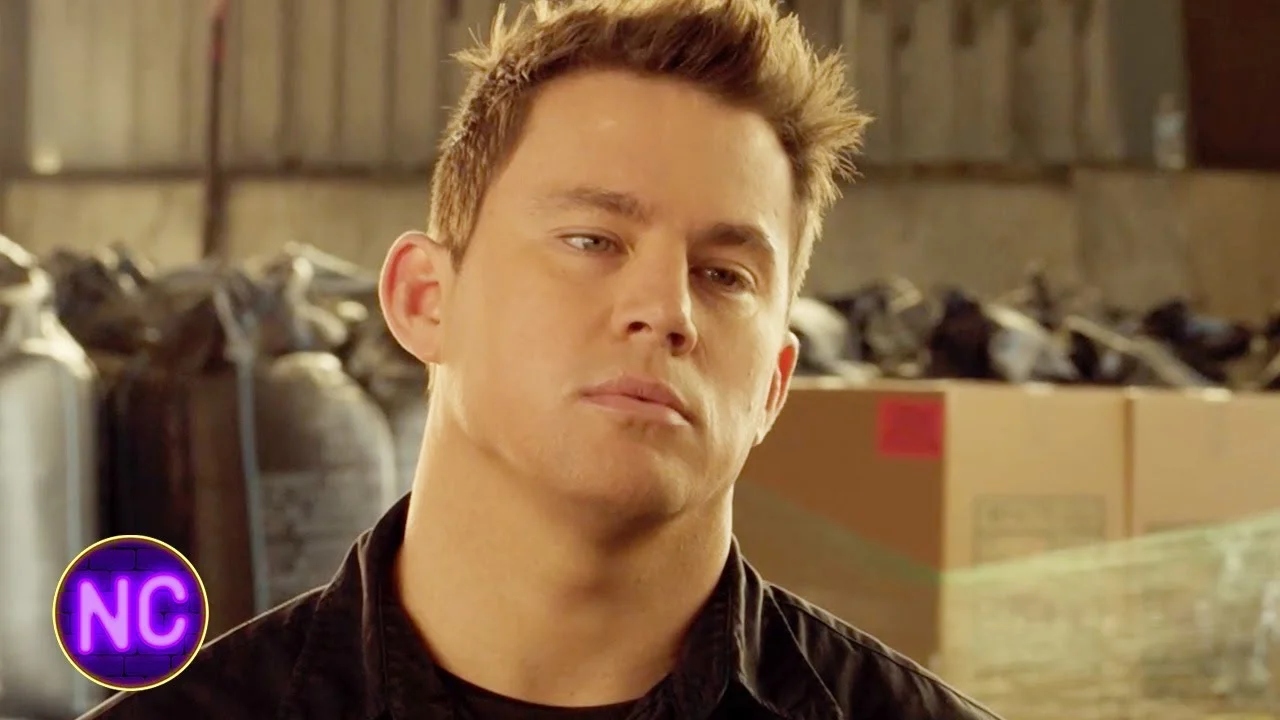
    My Name Is Jeff: The meme originates from a 2014 scene in the comedy 22 Jump Street, starring Channing Tatum and Jonah Hill. In the movie, Tatum’s character, Greg Jenko, tries to adopt a forced accent while undercover, and blurts out “My name is Jeff” in a squeaky, awkward manner. The odd delivery and layered context made it prime meme material.

    Soon after release, video clips of that exact moment began circulating on YouTube and other platforms. One of the earliest uploads is the clip “My name is Jeff” by fpSmoker, which amassed millions of views. On Know Your Meme, the entry for “My Name Is Jeff” documents how it became a catchphrase meme, used in countless remixes and mashups

    Though the line was never intended as a viral moment, its simplicity, oddity, and memetic flexibility transformed it into an iconic piece of internet culture


    2. The Spread: How It Became a Meme Everywhere

    One of the key things that made “My Name Is Jeff” spread so fast was its compatibility with short video formats. The line is brief and punchy—perfect for Vine’s 6-second constraints, and later TikTok, Instagram Reels, and meme compilations

    On Vine, users began to dub the “My Name Is Jeff” audio over random and absurd clips, creating a new level of humor via juxtaposition. Once Vine shut down (January 2017), many of these remixes migrated to YouTube compilations and meme pages.

    As it spread, the meme became used not only to quote the original scene but as a non sequitur punchline in otherwise unrelated content. People would insert “My Name Is Jeff” in reaction videos, edits, gaming montages, or to parody awkwardness.

    The phrase also became a part of popular culture beyond online media. In interviews, Channing Tatum himself has remarked on how the line follows him—reportedly people shout it at him during airport security or public appearances.

    Over time, “My Name Is Jeff” cemented itself as a memetic template — short, recognizable, and ripe for remixing.


    3. Why It Works: The Psychology & Mechanics Behind the Meme

    Not every funny line makes it into meme canon. “My Name Is Jeff” succeeded because it taps into a few memetic principles and psychological quirks.

    Unexpected absurdity: The humor arises from the mismatch between the moment’s tension (undercover operation) and the ridiculousness of Tatum’s delivery. It’s absurd in a context that normally wouldn’t invite absurdity.

    Catchiness and repeatability: The line is short, clear, and instantly recognizable, making it easy to recall, repeat, and remix.

    Versatile template: Because it’s a standalone phrase, content creators can drop it into many contexts—dialogue dubbing, background audio, ironic reactions—without relying on plot.

    Social reinforcement and meme loop: Once the meme caught momentum, seeing it everywhere reinforced that it was cool to reference. The more people used it, the more it spread in an exponential loop.

    Celebrity endorsement (indirect): When viewers hear that Channing Tatum acknowledges the meme’s existence and shares stories about it, it validates and deepens the cultural footprint.

    Thus, “My Name Is Jeff” is more than a funny line—it’s a well-suited meme seed that germinated in the right environment.


    4. Major Variants, Spin-offs & Meme Lifecycles

    Like all memes, “My Name Is Jeff” has gone through phases: rise, peak, saturation, decline, and occasional revival. Let’s look at how it evolved over time.

    Audio remixes & mashups: Many creators remixed the muffled voice, pitched it up or down, or overlaid it with music to make “My Name Is Jeff” EDM, trap, or bizarre soundscapes.

    GIFs and reaction images: The phrase appears in expressive GIFs—e.g. the moment itself, or paired with visuals to express cringe, a sudden reveal, or comedic awkwardness.

    Cross memes & meta use: As meme culture matured, “My Name Is Jeff” began intersecting with other memes—meta jokes about who Jeff is, calling everyday moment “My name is Jeff” as absurd exaggeration, or using it as a filler punchline.

    Decline and ironic comeback: Over time, like many memes, it lost freshness and became overused. But because it’s a classic, it periodically resurfaces—both sincerely and ironically, especially in meme retrospectives or throwback posts.

    Cultural references and media mentions: The line still gets cited in articles about pop culture, meme history, and fandom commentary. Its presence in media interviews ensures it doesn’t fade completely into obscurity.

    Meme historians often refer to it as a catchphrase meme, that is, a short quote which becomes a meme engine in itself.


    5. Cultural Impact & What It Says About Internet Humor

    Though seemingly trivial, “My Name Is Jeff” reveals a lot about how internet culture operates, especially humor, remixing, and collective reference.

    First, it shows how ordinary lines can become iconic when community tools (Vine, Instagram, TikTok) allow mass repetition and reinvention. A small comedic moment can be elevated by collective remixing.

    Second, it highlights the meme economy: once a meme template enters circulation, it becomes social capital. Referencing it signals insider status, humor awareness, or irony fluency.

    Third, its longevity suggests that some meme forms endure—not just topical jokes but simple, absurd lines that can be reused for years. Meme scholars often note that memes with minimal dependence on transient context last longer.

    Fourth, the meme’s evolution mirrors media cycles: Vine → YouTube compilations → TikTok / Reels → nostalgia posts. Each platform reinvents how “My Name Is Jeff” is used.

    Finally, the meme underscores how audience creation is culture creation. The phrase has almost taken a life separate from the film. It’s no longer just a line in 22 Jump Street—it’s a vehicle for humor, mischief, and reference.


    6. Does “My Name Is Jeff” Still Have Meme Power Today?

    As of the mid-2020s, “My Name Is Jeff” no longer dominates meme charts like it once did. Yet it maintains symbolic resonance and occasional revivals.

    Its reference value remains; even those who weren’t meme fans earlier might recognize it as “that weird internet quote.” New comers sometimes discover it via meme history or compilations.

    Channing Tatum’s own reflections help it stay alive. In interviews he’s said he often hears the line during airport checks—TSA agents repeating “My Name Is Jeff” when scanning his ID. That anecdote keeps the meme in public awareness.

    In meme retrospectives and “top memes of all time” lists, “My Name Is Jeff” often appears as a classic. Memorabilia, merchandise, and meme culture articles cite it as one of the line memes that shaped mid-2010s internet humor.

    However, it has largely shifted from front-page meme trend to nostalgic meme relic—meaning fans reference it more out of historical love or irony than fresh comedic upstarts.

    If meme culture continues evolving, there may be renewed bursts of “My Name Is Jeff” usage—especially in throwback formats or meme education.


    Conclusion

    What began as a throwaway, awkward line from 22 Jump Street catapulted into the stratosphere of meme culture through funny delivery, viral remixing, and community participation. “My Name Is Jeff” illustrates how memes evolve: a moment becomes a template, then a shared joke, then a cultural artifact.

    Though it no longer dominates meme feeds, it survives as a touchstone of internet humor history—a reminder that weirdness, simplicity, and remixability are powerful forces in meme life.

  • Who is Maria Kovalchuk?

    Who is Maria Kovalchuk?

    Maria Kovalchuk is a 20-year-old Ukrainian model and influencer from Lviv, known for her presence on social media and content platforms such as OnlyFans. She came to international attention in March 2025 because of a serious incident that left her with life-changing injuries in Dubai

    Her family, especially her mother Anna Kovalchuk, has been the primary source of verified details. Apart from modeling, Maria is reported to have been involved in campaign work and modeling assignments, though her public profile before the incident was relatively modest compared to high-profile global celebrities.


    The Disappearance and Discovery in Dubai

    Maria’s disappearance and subsequent discovery are surrounded by conflicting reports and some mystery. The timeline of events includes:

    • Last known public appearance: On March 9, 2025, Maria was seen at a party in Dubai, reportedly in the company of two men who claimed to be connected to modeling.

    • Planned travel: She was scheduled to fly to Thailand on March 11, but she never boarded her flight and communication with her family ceased at that point.

    • Missing period: For several days, until about March 19, she was missing. Meanwhile, her family and friends raised alarm.

    • Discovery: She was found injured beside a roadside in Dubai, without identification or phone. Her injuries reportedly include multiple fractures in her arms and legs, spinal injuries (vertebra fractures), and she underwent several surgeries. At the time of discovery she was in critical condition and unable to speak.

    The precise location, exact cause, and what happened during her missing days remain under investigation by the authorities.


    Medical Condition, Recovery & Uncertainties

    After her discovery, Maria’s medical condition and recovery have been closely followed by media and her family. Key points:

    Surgeries and Hospitalization: Multiple surgeries were performed to address her broken limbs and spinal injuries. The severity of her trauma required complex medical care.

    Inability to speak initially: Upon her discovery, she was in a state where she could not speak. Her family has reported that after waking from coma, she was able to say simple things but remains unable to fully communicate. Memory loss has also been reported.

    Condition stabilization: Reports suggest that while still critical, her life is no longer in immediate danger. She is in hospital under continuous care.

    Unanswered questions: There are many uncertainties about what exactly occurred during her disappearance: the cause of her injuries (official version is that she fell from height at a construction site; family doubts that version), whether there was exploitation involved, why she lost contact, where she was exactly during those days, etc.


    Official Statements, Family Claims & Conflicts

    The case of Maria Kovalchuk has sparked controversy because of conflicting accounts from authorities vs. her family and acquaintances. Some of the main disputed points:

    • Official narrative: Dubai Police claim that Maria sustained her injuries after entering a restricted construction site and falling accidentally from height.

    • Family’s position: Her mother and others doubt the accident version. They suspect there may have been exploitation, coercion, or worse, citing the fact that Maria was last seen at a hotel party and then went missing. They question how someone would be in such a dangerous situation and come out injured, unable to speak, and missing documentation.

    • Media reports: Some outlets report that she attended a party “of sheikhs” or wealthy attendees, raising concerns about possible mistreatment or abuse. Others report that she had modeling industry contacts, suggesting potential vulnerability.

    • Investigation status: The investigation is reportedly ongoing. Authorities in Dubai have not publicly confirmed all details, and the family is calling for more transparency.


    Public Reaction and Media Coverage

    Maria’s case has drawn widespread attention, both in Ukraine and internationally. Several factors stand out in how the media and the public have responded:

    • Social media impact: Hashtags like #JusticeForMaria have circulated, with many users expressing concern, anger, and demand for accountability. Discussions are active on X (formerly Twitter), Instagram, and other platforms.
    • Concern over influencer safety: This incident has reignited conversations about the risks that models, content creators, and influencers face when traveling, working abroad, or dealing with unverified contacts. Things like missing persons, exploitation, unsafe assignments, lack of protection.
    • Media caution and possible sensationalism: Some reports have been speculative, suggesting “sexual slavery” or “Porta Potty parties” (a sensational phrase used in some outlets) without solid evidence. This has drawn criticism for possibly fueling rumors or stigma.
    • Humanitarian sympathy: Many outlets and individuals express sympathy for her situation, noting that regardless of what happened, Maria is severely injured and deserves full medical care, recovery, and justice.

    Implications & Lessons

    The Maria Kovalchuk incident is more than an isolated tragedy; it highlights broader issues and important lessons:

    • Safety of Content Creators Abroad: Influencers and models working internationally may face risks such as exploitation, fraud, unsafe assignments, or deceptive invitations. Verifying contacts, travel arrangements, accommodation, and having reliable support networks are crucial.

    • Legal & Protective Frameworks: There’s need for stronger oversight, more transparent investigations, and better legal safeguards for foreign nationals working abroad, particularly young or less established personalities who may be vulnerable.

    • Media Ethics & Responsible Reporting: Media outlets must balance reporting urgency with factual integrity. Speculation without evidence (e.g. claims of slavery or parties) can harm reputations, fuel rumors, and cause distress to families.

    • Public Awareness & Support: Public reaction shows there is a demand for accountability. Civil society groups, rights organizations, and social movements can play roles in ensuring victims’ voices are heard, demanding transparency, and pressuring authorities for justice.

    • Mental Health & Recovery: Trauma from such events is physical, emotional, psychological. Recovery — especially from coma, spinal injuries, memory loss — requires long-term medical, psychological, and social support.


    Conclusion: What’s Next for Maria Kovalchuk & the Investigation

    In summary, Maria Kovalchuk is a young Ukrainian model who has suffered severe injuries under unclear circumstances in Dubai. While authorities claim she fell from a height at a construction site, her family challenges that story and is seeking further investigation. Her medical condition is serious, though life is reportedly no longer in immediate danger.

    Moving forward, some of the critical outcomes to watch are:

    • Medical follow-ups: How her recovery progresses (speech, mobility, memory) will likely shape public understanding and possible legal or advocacy responses.

    • Investigation results: Whether Dubai authorities release more evidence or reports confirming or challenging the official narrative.

    • Legal / human rights dimension: Whether there is an inquiry into possible wrongdoing or negligence, or protection mechanisms for foreign content creators.

    • Media accountability: How media outlets document, correct, or clarify earlier claims or rumors, ensuring fairness.

    Maria’s case underscores the vulnerability of individuals in global influencer/model circuits, and reminds us of the importance of safety, transparency, and advocacy. Regardless of what the final investigation reveals, she deserves compassion, due process, and support.

  • Carly Gregg: The Teen Convicted of Murder — A Detailed Profile

    Carly Gregg: The Teen Convicted of Murder — A Detailed Profile

    Carly Gregg has drawn media attention after a tragic and shocking case that unfolded in Mississippi. This article provides a comprehensive look into who Carly Gregg is, what happened in the case, the legal proceedings, background details, and broader issues it raises.


    Background & Early Life

    Carly Madison Gregg was born on April 23, 2009. She grew up with her mother Ashley Smylie, father Kevin Gregg, and later a stepfather, Heath Smylie

    From early on, Carly was noted to be academically gifted. She skipped the third grade and is said to have scored a 30 on the ACT at a very young age. She also had a love for reading, music, and literature.

    Tragically, her younger sibling, Natalie, died at age 18 months from a rare genetic disorder in 2013. That death deeply affected the family.

    Carly grew up partly under the care of her maternal grandparents after her parents divorced, living in Vicksburg, Mississippi for medical access for Natalie. She stayed in contact with her biological father, but over time expressed discomfort with those visits.

    Her father, Kevin Gregg, in an interview after her conviction, described her as once being “a wonderful child … obviously multi-talented, gifted.” However, he also revealed past struggles, noting Carly had suicidal ideation as a young child.


    The Crime: What Happened on March 19, 2024

    On March 19, 2024, a deadly event occurred in the family home in Brandon, Mississippi. Ashley Smylie, 40, was shot and killed by her daughter, Carly.

    Here’s a timeline of critical actions:

    • Prosecutors say that Ashley discovered hidden marijuana, vape pens, and burner phones in Carly’s room that day, tipping her into confrontation.

    • After returning to the house, it is alleged Carly retrieved her mother’s .357 Magnum handgun from beneath the mattress, concealed it, and walked into her mother’s bedroom.

    • Surveillance video presented in court showed the teen holding the gun behind her back, pacing before the shots rang out.

    • Ashley was shot three times in the face.

    • Later, nervous about what would happen, Carly is alleged to have sent a message to her stepfather, luring him home, then shot him in the shoulder on arrival.

    • Disturbingly, after killing her mother, Carly invited a friend to see the body, asking, “Are you squeamish around dead bodies?”

    • She also was accused of tampering with evidence to cover up her actions.

    This combination of premeditation, confrontation, and chilling behavior made this a high-profile and deeply disturbing case.


    Legal Process & Conviction

    Charges & Trial

    Carly Gregg was tried as an adult, despite being a minor (14 at the time). She faced three major charges:

    1. First-degree murder (for killing her mother)

    2. Attempted murder (for shooting her stepfather)

    3. Tampering with evidence

    After a five-day trial, the jury took just two hours to deliberate and returned a guilty verdict on all counts.

    Sentencing

    On September 20, 2024, Carly was sentenced to life in prison without the possibility of parole for both the murder and attempted murder charges. She also received an additional 10 years for tampering with evidence. As per official records, she is currently held in the Youthful Offender Unit of the Central Mississippi Correctional Facility in Rankin County

    Appeals & Motions

    After conviction, her legal team filed a motion for a new trial, citing new evidence from interviews with Carly’s biological father, including revelations about auditory hallucinations and equine therapy from her past.

    However, a judge denied the motion, stating that the new evidence was insufficient to overturn or retry the case.

    Her defense had pursued an insanity plea, arguing that she was in a mental health crisis at the time, had memory gaps, and struggled with depression and auditory hallucinations. The prosecution countered that her behavior, planning, and lack of remorse showed she understood right from wrong.


    Mental Health, Motives & Psychological Insights

    One of the most controversial and scrutinized aspects in this case is Carly’s mental health and what may have led her to commit such violent actions.

    Psychiatric Testimony

    During the trial, Dr. Andrew Clark, a child psychologist, testified on behalf of the defense. He stated:

    • Carly had depression, and the medications she took sometimes made her feel numb.

    • She was reported to hear voices and had dissociative episodes prior to the incident.

    • On the day of the shooting, she was described as “grumpy and irritable”, with difficulty focusing.

    • She claimed parts of that day “went blank” in her memory.

    However, the prosecution rejected the idea that these issues absolved her responsibility, arguing her actions were deliberate and she knew right from wrong.

    Psychological Profile & Motive

    Some possible contributing factors surfaced during the trial and reporting:

    • The discovery of secret drug use (marijuana, vape pens, burner phones) by her mother earlier that day reportedly instigated the confrontation.

    • Conflict in mother-daughter relationship dynamics, pressure from expectations, and perhaps a feeling of guilt or shame if discoveries were made.

    • Previous trauma: the death of her younger sibling, family upheavals, and reported suicidal ideation might have shaped her emotional resilience.

    • Reports suggest her biological father had a history of drug use, which could have impacted her upbringing.

    While these factors do not excuse the outcome, they provide context to a deeply tragic set of events.


    Legal, Ethical & Social Implications

    The case of Carly Gregg raises many complex questions beyond the criminal acts themselves.

    Sentencing Minors to Life Without Parole

    Carly was a minor when she committed the crime. The decision to try her as an adult and sentence her to life without parole is contentious. In many states, legislatures or courts restrict life sentences for juveniles due to developmental science supporting reduced culpability in youth

    Mental Health & The Criminal Justice System

    This case highlights the challenges when mental illness intersects with violent crime:

    • How does the system evaluate insanity or diminished capacity?

    • Are psychiatric defenses taken seriously when evidence is ambiguous?

    • Is there sufficient early intervention for youth presenting self-harm, hallucinations, or trauma?

    Media Sensationalism & Public Perception

    Because Carly was a teen, this case became part of media spectacle. The narrative around “babyface killer,” shock value, and moral judgments often overshadow deeper issues of mental health or social support. Some reporting has been criticized for sensationalizing the crime.

    Victim Rights & Family Trauma

    The suffering of Ashley Smylie’s family, especially in public discourse, must not be forgotten. The legal system and media must balance justice for victims with humane treatment of defendants—even when extremely young.


    Current Status & Future Prospects

    As of late 2024 / early 2025, here is what is known:

    • Carly Gregg is serving her sentences in Mississippi’s Department of Corrections, under MDOC ID 252702.

    • Her appeal and motion for new trial were rejected by a judge.

    • Legal counsel may explore further appeals, but overturning a life sentence in such a case is extremely difficult.

    • Conversations in public and academic circles continue over juvenile justice, mental health in crime, and whether changes in law are needed to handle such cases differently.


    Conclusion

    Carly Madison Gregg’s case is one of the most harrowing juvenile criminal cases in recent U.S. history. From an academically gifted child to a convicted murderer, the trajectory is tragic, raising many hard questions about mental health, juvenile sentencing, family dynamics, and societal support systems.

    • The crime itself was brutal and premeditated, involving both murder and attempted murder.

    • The trial and sentencing were swift and unforgiving, with her convicted and handed life without parole despite her youth.

    • The case forces us to examine how justice systems treat children who commit adult-level crimes, especially when mental illness and trauma may play a role.

    • Above all, it’s a story of a family shattered, lives lost, and the haunting consequences of decisions made in crisis.