Category: News

  • “Shirtussy”: The Wild New Slang That’s Popping Off Online

    “Shirtussy”: The Wild New Slang That’s Popping Off Online

    In the fast-moving world of internet slang, new words can explode overnight—and “shirtussy” is a prime example. Birthed from a viral podcast moment, it’s equal parts hilarious, baffling, and wholly internet-first. Let’s break down what it means, where it came from, and why people can’t stop talking about it.


    What on Earth Is a “Shirtussy”?

    At its core, “shirtussy” is a slang term coined by influencer Haliey Welch, also known as Hawk Tuah Girl, during an episode of her podcast Talk Tuah with Haliey Welch. She defines it humorously as: “when you have a fat cooter and your cooter decides to take a bite out of your shirt.” It’s an intentional exaggeration meant to conjure a vivid—and cheeky—visual

    In simpler terms, it refers to a scenario where one’s body shape (specifically genital-adjacent anatomy) visibly presses or bulges through clothing in a noticeable—and comedic—way. As she joked: it’s better than a camel toe,” though her friends playfully disagreed, calling it “the same thing” or even “worse”


    Where Did “Shirtussy” Come From? (Podcast Origins & Meme Moments)

    Origins: The term first popped up on Haliey Welch’s Talk Tuah podcast, launched in 2024. The phrase came during a humorous segment—intentionally over-the-top and memorable

    It quickly gained traction:

    • Social media users clipped and shared the moment.

    • Memes and TikToks began featuring the term.

    • Online discussion threads—especially on Reddit—burst into questions like, “What’s a shirtussy?” as fans tried to parse the hilarious phrase

    Within weeks, “shirtussy” entered the internet lexicon—not as a serious descriptor, but a viral inside joke.


    How Is “Shirtussy” Used (and Shared) Online?

    Usage is lighthearted and often absurd—used to pun on body shapes, fashion mishaps, or as general meme fodder. For example:

    • On TikTok or Instagram, someone might caption a video with “I had a SHIRTUSSY!” alongside a funny reaction or outfit mishap.

    • Reddit users mock-analyze the phrase, e.g., “Haliey said it’s when your shirt gets stuck in your cooter but I’m still trying to figure out how that happens.”.

    In essence, it’s an attention-grabbing, meme-ready phrase—most often used among friends or fans of the Talk Tuah podcast.


    Why “Shirtussy” Caught On — The Power of Shock & Humor

    Several reasons fueled its rapid spread:

    • Shock humor: It’s delightfully irreverent—conceptually silly, anatomically cheeky, and impossible to ignore.

    • Podcast virality: Haliey’s energetic personality and fanbase amplified the moment.

    • Social media synergy: Platforms like TikTok and Twitter love bizarre new slang—they catapulted it from joke to cultural quip.

    • Shared absurdity: It’s a term you weren’t expecting—but once you hear it, you can’t unthink it.

    All of these combined to make “shir tussy” a perfect storm of meme culture.


    Content Warning—Who Should Avoid Using “Shirtussy”?

    Despite being mostly harmless fun, there are some contexts where using “shirtussy” is inappropriate:

    • Professional or formal settings: The term is slang and sexually suggestive. Avoid it in workplace emails, school essays, or family gatherings.

    • Younger audiences: It references anatomy—even if indirectly—so use caution around children.

    • Cultural sensitivity: Some might find the humor crass or in poor taste; always gauge the audience and setting first.

    Bottom line: this is niche slang best reserved for casual, meme-savvy circles.


    “Shirtussy” vs. Similar Slang—A Comparison

    Let’s briefly compare “shirtussy” with other colorful internet slang:

    Term Definition Tone
    Shirtussy Genital-adjacent bulge visible through shirt Playful, absurd, edgy
    Camel toe Tight clothing revealing female genital outline Often used negatively; less humorous
    Thrussy Slang portmanteau for throat + pussy (sexual) Explicit; adult context

    Unlike camel toe, which is more clinical or sexualized, “shirtussy” is absurdist and comedic. And compared to thrussy—a much more explicit term used in adult sexual contexts—“shir tussy” stays firmly in jokey territory.


    Conclusion

    “Shirtussy” may be one of the quirkiest slang entries of 2025. Born from a spontaneous joke on Haliey Welch’s Talk Tuah podcast, it quickly became a viral term—equal parts grotesque, hilarious, and internet-ready.

    You’d use it ironically, among friends, or in tongue-in-cheek meme content—not in formal writing or official communications. It’s an outlandish term with staying power precisely because it’s so absurd.

    So next time your shirt and your body conspire in comedic alignment—just call it a shir tussy and watch the reactions roll in.


    5 Unique FAQs

    1. Is “shirtussy” a real word?
    Not in any formal sense—it’s internet slang coined by a podcast host and lives in meme culture, not dictionaries.

    2. Should I use it in public writing or social media professionally?
    Nope! It’s best kept among friends or casual posts where you know your audience appreciates edgy humor.

    3. Does “shirtussy” have an official definition?
    Only the one Haliey gave on the podcast: a comical description involving a body pressing through a shirt.

    4. Is it related to “camel toe”?
    It’s comparable but meant as a playful, exaggerated alternative—often seen as even more absurd.

    5. Who coined the term “shir tussy”?
    Influencer Haliey Welch (aka Hawk Tuah Girl) on her Talk Tuah podcast—and it instantly caught fire online

  • Atlanta Mother Maria Bonilla ICE Detention: A Case That Shook Georgia

    Atlanta Mother Maria Bonilla ICE Detention: A Case That Shook Georgia

    The story of the Atlanta mother Maria Bonilla ICE detention is more than just another immigration headline—it’s a human story that exposes the devastating impact of America’s immigration system on families, communities, and industries. Maria Bonilla, a hardworking immigrant who lived in the U.S. for nearly 24 years, was detained by ICE in 2025, leaving her children and community in turmoil. Let’s dive deep into what happened, why it matters, and what it means for the future of immigration policy.


    Who Is Maria Bonilla?

    The Atlanta mother Maria Bonilla is a 41-year-old immigrant from El Salvador who first arrived in the United States in 2001 at the age of 17. Over the next two decades, she built her life in Georgia, raising four U.S.-born children:

    • Araceli (22)

    • Magali (21)

    • Henrin (17)

    • Tatiana (15)

    She worked long hours in the poultry industry in Gainesville, Georgia, a sector heavily reliant on immigrant labor. Despite limited education—Maria cannot read or write—she became a vital part of her family’s survival and success.

    She also maintained legal work authorization and consistently complied with immigration requirements, checking in with ICE as scheduled. For her family, she was not just a mother but also a breadwinner, teacher, and role model.


    How Did the Atlanta Mother Maria Bonilla ICE Detention Happen?

    On May 8, 2025, Maria attended a routine ICE check-in at the Atlanta Immigration Court. She had been advised by her attorney not to submit her passport, which was listed as part of her paperwork requirements. When ICE officers saw that her application was incomplete, she was detained on the spot.

    Her children, who had accompanied her that day, were shocked and devastated. According to reports, ICE transferred her to the Stewart Detention Center in Lumpkin, Georgia, a facility run by the private prison company CoreCivic.

    Although her family quickly submitted the missing passport and corrected documents, ICE still pursued her deportation proceedings. This triggered immediate outrage from advocates who argued that a woman who had lived in the U.S. for nearly 24 years should not face sudden detention for a technical mistake.


    Impact of Maria Bonilla’s Detention on Her Family

    The Atlanta mother Maria Bonilla ICE detention had heartbreaking consequences for her children:

    • Missed Milestones: Her son Henrin graduated high school without his mother present, describing it as one of the hardest moments of his life.

    • Dreams on Hold: Her daughter Magali had to pause her plans for nursing school to work extra hours and care for her younger siblings.

    • Emotional Trauma: The family described sleepless nights, panic attacks, and overwhelming anxiety after their mother’s sudden absence.

    To cope with financial and legal costs, the children launched a GoFundMe campaign, appealing for community support.


    Why the Atlanta Mother Maria Bonilla ICE Detention Matters

    Maria’s case reflects broader issues within the U.S. immigration system:

    1. Targeting of Long-Term Residents
      Maria lived in the U.S. for nearly 24 years, held work authorization, and had no serious criminal record. Yet she was detained during a routine appointment she voluntarily attended.

    2. Family Separation
      Like many ICE detentions, this case highlights the destructive impact on U.S.-born children, who suddenly lose a parent and caretaker.

    3. Economic Impact
      Georgia’s poultry industry, already struggling with labor shortages, risks further disruption as longtime workers like Maria are detained and deported.

    4. Due Process Concerns
      Maria’s deportation was reportedly carried out despite pending appeals, raising questions about whether her legal rights were fully honored.


    Community Response to the Atlanta Mother Maria Bonilla ICE Detention

    The detention sparked outrage across Georgia:

    • Immigrant rights groups such as the Georgia Latino Alliance for Human Rights (GLAHR) condemned ICE’s actions, calling them unjust and unnecessary.

    • Community advocates argued that hardworking immigrants like Maria, who pay taxes and support industries, deserve pathways to legal status instead of deportation.

    • Media coverage in outlets like the Atlanta Journal-Constitution, Newsweek, and Hindustan Times amplified the case, making Maria’s story a symbol of systemic flaws in U.S. immigration enforcement.

    Her children also spoke out publicly, sharing their pain and urging for compassionate immigration policies that keep families together.


    The Future After the Atlanta Mother Maria Bonilla ICE Detention

    What happens next in the case of Atlanta mother Maria Bonilla ICE detention is uncertain. Her legal team continues to file appeals and challenge her deportation, but the case already highlights several urgent questions:

    • Should immigrants who have lived in the U.S. for decades and built families here still face deportation?

    • Are ICE check-ins being used as “traps” for detention rather than routine reporting mechanisms?

    • What reforms are needed to balance law enforcement with human rights?

    Maria’s story is part of a much larger debate in the United States about immigration reform. Her case reveals how fragile life can be for millions of immigrants who, despite building homes and communities, remain at constant risk of detention and deportation.


    Conclusion

    The case of the Atlanta mother Maria Bonilla ICE detention is not just about one woman—it’s about what happens when laws fail to recognize humanity. Maria Bonilla represents thousands of immigrants who contribute daily to American society yet live in constant fear of being separated from their loved ones.

    Her detention is a sobering reminder that behind every statistic is a human being—a mother, a worker, a neighbor. As communities rally around Maria, the hope is that her story will spark urgent immigration reforms to prevent similar tragedies in the future.


    FAQs

    1. Who is Maria Bonilla?
    She is a 41-year-old mother of four from Atlanta, originally from El Salvador, who lived in the U.S. for 24 years before her ICE detention.

    2. Why was Maria Bonilla detained?
    She was detained during a routine immigration check-in after incomplete paperwork raised red flags.

    3. Where is Maria Bonilla being held?
    She was taken to the Stewart Detention Center in Lumpkin, Georgia.

    4. How has her family been affected?
    Her children, all U.S.-born, faced emotional and financial devastation, with her son graduating high school without her and her daughter postponing nursing school.

    5. Why is this case significant?
    It highlights the broader issues of family separation, due process, and the economic impacts of ICE detentions on industries and communities.

  • Casîo: A Deep Dive into the Iconic Brand

    Casîo: A Deep Dive into the Iconic Brand

    1. History and Origins of Casio

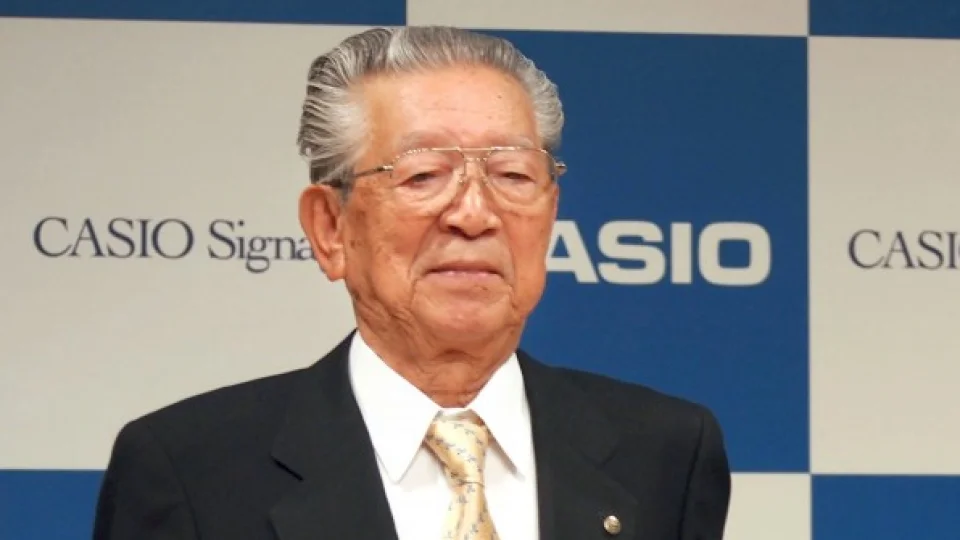
    Founded in 1946 by Tadao Kashio in Tokyo, Casio began its life as Kashio Seisakujo, a humble workshop crafting innovative tools like the yubiwa pipe—a ring that held a cigarette to smoke it down to the nub. Driven by imagination and necessity, it wasn’t long before Casio engineers turned their inventiveness toward electronics.

    By 1957, Casio released the 14-A, the world’s first compact all-electric calculator, and formally became Casio Computer Co., Ltd.. The company rapidly expanded globally, entering the U.S. and European markets in the late 1960s

    Casio’s early decades were defined by breakthroughs in digital accuracy and automation. In 1967 they rolled out the AL-1000, the first programmable electronic desktop calculator. Their spirit of innovation continued into other domains with electronic musical instruments and early digital cameras in the subsequent decades.

    In sum, Casio’s history is rooted in creative problem-solving, transforming everyday frustration into revolutionary, enduring products.


    2. Casio’s Calculator and Databank Innovation

    Casio didn’t stop at just calculators. In 1980, they introduced the C-80, the first calculator watch, followed by the Databank series in 1983 (models CD-40 and CD-401)—smartwatches before smartwatches existed.

    The Databank series featured data storage, calculators, and even phone dialing abilities; later versions added world time, schedule planners, backlights, touch screens, voice recording, and atomic time syncing. This line was a pioneer in portable electronic personal organization, long before smartphones dominated.

    Parallel to these watches, Casio rolled out scientific calculators, such as the fx-39 in 1978 and the world’s first graphing calculator, the FX-7000G, in 1985. These tools revolutionized academic and professional work, delivering complex functionalities at accessible prices.

    Through these innovations, Casio carved its legacy as a leader in practical, high-performance electronics.


    3. Calculator Watches: Iconic and Retro Appeal

    Casio’s calculator watches remain stylistic icons today. The CA-53W, launched in 1988, is perhaps the most famous—featured in Back to the Future Part II & III and Breaking Bad. Lightweight, visual, and instantly recognizable, it’s a symbol of the ’80s yet unaged by time.

    These watches are also highly functional. Take the CA-53W-1: built from resin, it’s just 8.2 mm thick and weighs only 24–25 g, offering calculator, stopwatch, dual-time, and alarm features in an ultra-light chassis. The CA-500WE series modernized this nostalgia with metal bands and retro styling while keeping the 8-digit calculator, alarm, stopwatch, and durability intact.

    These watches blend function with fashion—they are conversation starters with utility baked in.


    4. Modern Casio Watch Collections

    Casio’s current offerings go far beyond calculator watches. G-Shock stands out as a symbol of toughness: the original DW-5000C (1983) defined shock-resistant watch design. They continue innovating: for example, the DW-H5600 now includes heart rate and SpO₂ sensors, solar charging, 200 m water resistance, and fitness tracking—while still staying deeply rugged.

    The Baby-G line—budget-friendly and playful—also impresses. The BG169R-2C adds joy with animated backlight features, exceptional 3-year battery life, and strong water resistance for under $100.

    Other flagship lines include:

    • ProTrek: survival-ready with altimeter and compass

    • Oceanus: tech-luxury hybrids

    • Edifice: motorsport-inspired chronograph style.

    Across all these models, Casio emphasizes affordability, durability, and design.


    5. Casio’s Legacy in Popular Culture

    Casio’s cultural resonance spans decades. The F-91W, introduced in 1989, remains one of the best-selling watches ever—with roughly 3 million units produced annually. Its unassuming design and functionality have earned it cult-status. A writer even mused that they’d rather keep a simple Casio F-91W than switch to a designer watch, praising its lightweight simplicity and reliability.

    Casio also celebrates its heritage. In 2024, marking 50 years of watchmaking, they released vintage-inspired lines like the revival Casiotron TRN-50—one of the original LCD models—with modern updates like solar charging and smartphone sync.

    They’ve also had fun with innovation: in the early ’80s, Casio released game watches featuring mini video games like Space Invaders and racing games—a quirky intersection of utility and entertainment.

    This blend of nostalgia, pop culture presence, and inventive spin-offs keeps Casio timelessly relevant.


    6. Why Casio Remains SEO-Worthy and Relevant Today

    Casio’s continued popularity is driven by several key factors:

    • Historical depth: A narrative that spans from post-war invention to cutting-edge wearable tech.

    • Iconic models: From the calculator CA-53W to the rugged G-Shock, Casio watches have enduring visibility in entertainment, media, and everyday life.

    • Consistent innovation: Whether it’s early calculator watches, graphing calculators, or modern hybrids with sensors, Casio pushes boundaries while staying true to their core.

    • Affordability and durability: Across all segments, Casio offers reliable, accessible gear—empowering users without breaking the bank.

    • Fashion meets function: Retro designs remain stylish; modern executions blend performance with aesthetics.

    • Cultural resonance: With decades-long relevance, collectors, influencers, and mainstream users alike continue to celebrate Casio.

    These factors make Casio a robust SEO topic—combining evergreen history, current innovation, pop culture, and wide audience appeal.


    Conclusion

    Casio stands as a remarkable story of innovation born from necessity, evolving from a small Tokyo workshop to a global electronics giant. From pioneering calculator watches and personal organizers to redefining ruggedness with G-Shock and now blending nostalgia with modern tech, Casio remains both relevant and iconic. Their mix of utility, longevity, affordability, and cultural flair ensures Casio stays not only searchable but also celebrated.


    SEO-Driven FAQs

    1. What was Casio’s first calculator watch?
    Casio introduced its first calculator watch, the C-80, in 1980 and later launched the Databank models in 1983, combining data storage with classic watch functions

    2. Why is the CA-53W calculator watch so famous?
    Released in 1988, the CA-53W became a cultural icon, seen in Back to the Future II & III and Breaking Bad, and remains celebrated for its design and utility

    3. What makes the F-91W so enduring?
    The F-91W, launched in 1989, is loved for its low price, long battery life, durable design, and minimalist aesthetic. It’s one of the world’s best-selling watches, with 3 million units produced annually.

    4. How has Casio evolved in modern times?
    Today, Casio continues pushing tech boundaries with lines like G-Shock Move (heart rate, SpO₂, solar charging), Baby-G, ProTrek, Edifice, and more—delivering rugged, stylish, and functional watches at approachable prices

    5. Why do people still love Casio watches?
    Casio’s enduring appeal lies in its blend of reliability, affordability, innovative feature sets, retro-chic design, and rich history—spanning collectors, everyday users, and cultural enthusiasts alike.

  • Mike Wolfe Passion Project: Reviving Americana with Purpose

    Mike Wolfe Passion Project: Reviving Americana with Purpose

    1. The Roots of the Passion Project

    Mike Wolfe Passion Project traces its roots back to his childhood in Bettendorf, Iowa. As a kid, Mike found comfort not in video games or cartoons but amid dusty barns, forgotten tools, and flea-market corners. To pieces of rusted metal or old signs, most people saw junk—Mike saw stories. Each scatter of relics whispered of old gas stations, family businesses, and local craftsmanship, anchoring him to the American past in a deeply personal way.

    As he grew up, this fascination only deepened. He began to treat these forgotten items not just as curiosities but as portals into heritage—each one deserving of rescue, restoration, and a proper place in the story. This emotional connection to everyday artifacts laid the groundwork for what would eventually expand into something much larger than simple collection.

    When American Pickers debuted in 2010, it was more than entertainment. It offered a lens into human legacy, with Mike uncovering not just rare items, but tales of craftsmanship and small-town pride. That show introduced millions to the ethos that underpins his passion project today: the belief that forgotten pieces of Americana are worth saving—one barn find at a time.


    2. From Picker to Preservationist

    While American Pickers brought recognition, it only fueled Wolfe’s deeper ambition—to move from picking objects to preserving cultural spaces. He realized that the stories embedded in old buildings and Main Street storefronts mattered as much as those in loose artifacts. What if an old bike or sign isn’t enough? What about the architecture that sheltered them? What about the communities that created them?

    That shift marked his transformation from collector to preservationist. He began to invest in historic buildings—especially those neglected in small towns—in hopes of restoring their integrity, purpose, and role in the community. This wasn’t just about aesthetics; it was about honoring the architecture, identity, and economic potential embedded in these structures.


    3. Revitalizing Small-Town America

    Central to Mike Wolfe passion project is the revival of small-town America. These towns, often overlooked or left behind in modern times, hold the pulse of the country: the old diners, local hardware stores, vintage gas pumps, and classic storefronts. By restoring buildings in towns like Columbia, Tennessee—and bringing them back into meaningful use—Wolfe isn’t just fixing walls; he’s restoring civic pride.

    In Columbia, for instance, abandoned storefronts were transformed into communal hubs—art galleries, local makers’ spaces, gathering places—imbuing vibrancy back into the town’s heart. These thoughtful restorations won’t raise skyscrapers, but they do ignite local economies, attract visitors, and remind community members of what they still hold dear.

    Through this work, Wolfe demonstrates how preservation and community revival can be mutual—buildings become engines for economic opportunity and social connection, while towns regain a sense of identity that had been fading.


    4. Antique Archaeology: Living Museums

    Mike Wolfe’s passion isn’t confined to old barns; it lives in his antique-themed storefronts—Antique Archaeology in LeClaire, Iowa, and Nashville, Tennessee. These aren’t your typical antique shops. Walking into one feels like a collage of nostalgia—gas pumps, motorcycles, signage, and handmade relics from bygone eras, each with a curated story.

    Visitors don’t just shop—they explore. Every piece is intentionally displayed to spark curiosity and wonder about how things were once made, used, and cherished. Wolfe’s stores embody his belief: preservation isn’t about hiding relics in archives; it’s about sharing them through tangible, interactive spaces that feel alive


    5. Storytelling at the Core

    At the heart of the Mike Wolfe passion project beats a simple truth: every object, building, and maker has a story worth telling. He approaches restoration like an archivist meets anthropologist—every artifact has emotional value. Whether it’s a neon sign that lit up a roadside café or a hand-forged tool passed down generations, Wolfe records—in words, pictures, and conversations—what the pieces meant to people.

    He extends these stories through blogs, social media, local workshops, and video content, inviting audiences in—not just to admire, but to connect. It’s this narrative power—transforming relics into storytelling vessels—that elevates his project from restoration to community memory-making.


    6. Celebrating Craftsmanship

    In a world flooded by mass-produced goods, Wolfe’s passion project stands up for craftsmanship. He celebrates the hands, tools, and minds that built things. Whether it’s a 1930s Indian motorcycle or a barn beam carefully hand-hewn decades ago, he treats these items as testaments to skill, creativity, and perseverance.

    He supports modern day artisans—woodworkers, metalworkers, restorers—committing not just to preserving old objects, but also inspiring new makers. His platforms amplify these craftspeople, reinforcing the value of handmade heritage in an age of disposability.


    7. Architecture as Narrative

    To Wolfe, architecture isn’t bricks and mortar—it’s storytelling. Every building that’s been restored has a voice. He emphasizes maintaining the building’s original character, opting for preservation over modernization whenever possible. These spaces—historic galleries, cultural centers, community venues—are both functional and narrative-rich.

    By preserving architectural integrity and repurposing spaces, Wolfe connects the past with the present. Old buildings stopped being relics; they become backgrounds for new stories—stories about artistry, community, and continuity.


    8. Sustainable Revival and Economic Impact

    Sustainability isn’t just environmental—it’s cultural and economic. Wolfe practices adaptive reuse—breathing new life into old structures—rather than tearing them down. This reduces waste, honors craftsmanship, and anchors green practices in history.

    Moreover, communities benefit financially: restored downtowns attract tourists, host new businesses, and generate local pride. His project illustrates how preserving the past can infuse towns with modern vitality, blending ecological responsibility with local prosperity.


    9. Modern Storytelling Channels

    Mike Wolfe’s mission marries heritage with high-tech storytelling. Beyond TV, he leverages blogs, Instagram, YouTube, and workshops—bringing his restoration-driven narratives to broader audiences. Viewers can follow restoration progress, enter restoration sites virtually, and connect emotionally to places they may never visit.

    By embracing digital platforms, he ensures that heritage resonates with younger generations, making preservation accessible—and even aspirational.


    10. Notable Projects and Their Stories

    Some standouts in Wolfe’s passion project include:

    • Columbia, Tennessee: Downtown building ambitions transformed into vibrant community spaces with local artisans and cultural events.

    • Rural Town Restoration: Towns like Greenville, Kentucky saw renewed civic pride, thanks to architecture rehabilitation that preserved local aesthetics

    These projects serve as real-life proof that preservation can be both emotive and practical, reviving towns one structure at a time.


    11. Inspiring a Movement

    Wolfe’s passion is contagious. He inspires individuals and communities to take tangible steps: explore local antiques, attend restoration events, volunteer with heritage groups, and tell stories of local pasts. His public appearances, talks, and collaborations with nonprofits help spread preservation’s accessibility and impact.

    He shows that preservation isn’t exclusive—it’s participatory. You don’t need a TV budget—just passionate hands and shared respect for history.


    12. Why Mike Wolfe Passion Project Truly Matters

    In a fast-paced world focused on the new and shiny, Wolfe’s passion stands out as a tribute to what made us who we are. He reminds us that rust, wood, brick, and steel are more than materials—they are memory, identity, and craftsmanship incarnate.

    Through restoration, storytelling, and community revival, Wolfe fosters a connection between past and present, between makers and observers. His project proves that caring for history isn’t backward—it’s visionary. It preserves not just heritage, but also hope—for rooted futures, craftsmanship, and thoughtful community.


    Conclusion

    Mike Wolfe passion project is a graceful blend of nostalgia and purpose. From humble childhood scavenging to restoring Main Street architecture, his mission champions storytelling, community, craftsmanship, sustainability, and cultural preservation.

    He doesn’t just restore relics—he reconnects people to heritage, invites them to explore craftsmanship, and nudges them to preserve their own stories. In every restored storefront and in every shared tale, his passion breathes life back into the American narrative. And that, more than anything, is worth saving.

  • Mikayla Campinos: The TikTok Sensation Shrouded in Controversy

    Mikayla Campinos: The TikTok Sensation Shrouded in Controversy

    Who Is Mikayla Campinos?

    Mikayla Campinos is a teenage TikTok influencer who has amassed a large following across social media platforms. According to a recent PDF report detailing her online presence, she has approximately 3.2 million followers on TikTok and 362,000 on Instagram. Her content primarily consists of relatable short-form videos, lifestyle clips, and trends that resonate with a younger audience. However, as her popularity has grown, so too has the scrutiny on her personal life and online activity.


    The Leak That Sparked Outrage

    At the heart of widespread discussion around Mikayla Campinos is the emergence of a non-consensual, explicit video—often referred to as the “Pickle Account Video.” Authored research indicates that the video surfaced online without her consent, spreading rapidly across platforms and triggering an intense backlash

    The video’s circulation prompted fans and digital rights advocates to raise serious concerns about privacy violations and cyber exploitation, especially given Mikayla’s minor status. Victims of such leaks often experience trauma, reputational damage, and mental health struggles, all of which are critical elements of this incident.


    The Impact: Privacy, Speculation, and Death Hoaxes

    The fallout from the leak quickly spiraled into wild speculation. Some outlets irresponsibly circulated a false report claiming Mikayla Campinos had died, a classic case of a death hoax. These rumors were unfounded, as confirmed by the absence of any official statements or verification from her management

    This cloud of misinformation illustrates the challenges young influencers face. Between invasive leaks and outright rumors, their online identity is vulnerable to manipulation—often with minimal recourse.


    Legal and Ethical Ramifications

    The unauthorized distribution of intimate material, especially involving a minor, carries grave legal and ethical implications. Mikayla’s case highlights:

    • The urgent need for stronger protections around digital privacy and consent.

    • Failures within social media platforms to proactively prevent sharing of illegal content.

    • The inadequacy of current frameworks to support victims, enforce accountability, or remove content promptly.

    Her experience is a sobering reminder of how rapidly personal content can become weaponized—and how tech platforms and legal systems must respond more effectively.


    Social Media Fallout: Supporters vs. Critics

    Even amidst the chaos, a clear divide emerged among viewers:

    • A wave of supporters rallied behind Mikayla, condemning the violation of her privacy and advocating for compassion.
    • Others, unfortunately, chose to question her character, reflecting a disturbing trend of victim-blaming online

    These reactions underscore the complex dynamics between public perception, influencer culture, and digital empathy. They also emphasize how quickly public opinion can swing—sometimes without full context or understanding.


    Lessons for Digital Safety and Platform Responsibility

    Mikayla Campinos’ ordeal serves as a critical case study on digital safety, influencer ethics, and platform accountability. Key lessons include:

    Practicing strong security hygiene: Use robust passwords, enable two-factor authentication, and be cautious about sharing sensitive content—even in private settings.

    Demanding better platform moderation: Social media companies must take proactive steps to detect and swiftly remove leaked content, especially when it involves minors.

    Building empathy online: As consumers of digital media, we must recognize the human behind the content—and avoid spreading unverified or harmful material.

    Ultimately, Mikayla’s story is a powerful reminder that behind every screen name is a real person deserving of respect, consent, and protection.


    Conclusion

    Mikayla Campinos stands as both a rising social media star and a poignant emblem of the digital age’s darker realities. With millions of followers, she exudes charisma and relatability—but the unauthorized leak of explicit content cast a shadow over her ascent. The events that followed—from death hoaxes to debates over privacy—underscore the urgent need for more secure platforms, informed audiences, and compassionate dialogue.

    As we consume digital content, let’s remember: viral doesn’t mean verified, and every click carries consequences.

  • Famosinhas na Mira: Understanding the Viral Buzz

    Famosinhas na Mira: Understanding the Viral Buzz

    In Portuguese, “Famosinhas na mira” literally means “little famous ones in the crosshairs”. This phrase has become a viral motif used primarily on gossip websites and social media in Brazil. It typically refers to female celebrities, influencers, or notable women who are under scrutiny—whether for wardrobe mishaps, candid moments, or sensationalized “flagras” (caught-on-camera shots).

    Below is an in-depth, SEO-optimized article broken into six H2 sections, each exploring a different facet of this viral phrase:


    Origins and Usage of “Famosinhas na Mira”

    The phrase “Famosinhas na mira” serves as a catchy headline favored by tabloids and clickbait platforms to draw user attention. It’s most commonly used on image-heavy gossip sites that subscribe to sensational storytelling. For example, the site Famosinhas Na Mira regularly publishes posts like “### Bia Miranda Paga Peitinho Nos Stories (7 Fotos + Vídeo)” and “### Vanessa Lopes Paga Peitinho em Suas Redes (5 Fotos + Vídeo)

    Such headlines emphasize exposure or “revealing moments,” reinforcing the notion of involving a figure “in the crosshairs” of public attention, even when contexts might be innocent or harmless.


    Common Themes and Tropes

    A recurring theme found under the “Famosinhas na Mira” label includes:

    • Wardrobe malfunctions or revealing outfits, such as blusinha transparente or undergarments unintentionally exposed.

    • Casual candid content in stories where celebrities might appear unfiltered or unprepared.

    • Articles titled “Flagras” (candid shots), accompanying content e.g., “### Clara Moneke Paga Peitinho em Vídeo de Rotina (4 Fotos + Vídeo)” or “### Ana de Armas Comparece a Evento Com Vestido Transparente (4 Fotos)

    These tropes typically revolve around privacy breaches or sensationalism—packaged as “juicy” content to drive clicks.

    The Appeal Behind the Clickbait

    Why are such posts so compelling for audiences?

    1. Voyeuristic allure: Readers are drawn to the promise of exclusive or semi-private revelations.

    2. Shock or titillation factor: Even mildly revealing content generates a powerful emotional response.

    3. FOMO effect: The desire to stay current drives engagement—after all, who wants to miss the latest scandalous “flagra”?

    Though effective for web traffic, this approach can raise ethical concerns, especially when the content skirts the line between paparazzi gossip and potential exploitation.


    Ethical Considerations and Celebrity Privacy

    The rise of platforms like Famosinhas Na Mira spotlights ongoing conversation about celebrity privacy, digital consent, and objectification online:

    • Celebrities are human too—they deserve respectful representation.

    • Headlines like “paga peitinho” sexualize situations that might have been entirely unintentional.

    • Consent is key—sharing or broadcasting candid moments without permission raises troubling ethical issues.

    Not every revealing outfit or candid shot equates to scandal—context, tone, and presentation matter immensely.


    Industry Impact and Influencer Awareness

    Over time, many influencers and celebrities have grown savvy about the online landscape:

    • Some now preemptively control narrative by sharing content themselves—mindfully embracing or reframing exposure.

    • Others opt for increased privacy, tweaking privacy settings or limiting spontaneous camera moments.

    The ongoing tug-of-war between sensational media and influencer control highlights the evolving nature of attention in the digital age.


    Navigating the Phenomenon as a Reader

    If you’re browsing content under the “Famosinhas na Mira” banner, here’s how to stay informed while practicing media responsibility:

    • Click consciously—ask: Does this serve more than just voyeuristic curiosity?

    • Recognize sensationalism and be aware of its emotional triggers.

    • Support ethical media that balances engagement with responsible storytelling.

    • Reflect on your own consumption habits—are we reinforcing invasive attention by clicking?


    Conclusion

    The phrase “Famosinhas na Mira” isn’t just a catchy clickbait expression—it’s a cultural reflection of how media often frames female celebrities in terms of exposure and sensationalism. While undeniably popular, the trend raises important questions about privacy, consent, and ethical journalism.

    By recognizing its patterns and implications, we can engage more thoughtfully with media that impacts public perception and celebrity representation.

  • Impupdates.comwow Independence: A Gateway to Informational Freedom

    Impupdates.comwow Independence: A Gateway to Informational Freedom

    In today’s digital era, Impupdates.comwow Independence stands out as more than just a phrase—it represents a growing movement toward informational freedom, autonomy, and personal empowerment. Emerging online, this term has become associated with platforms that offer people the tools to take control of their learning, career, and digital footprint.

    Let’s unpack what impupdates.comwow independence means, why it matters, and how it empowers individuals to thrive in a connected, ever-evolving world.


    What Is “Impupdates.comwow Independence”?

    While “Impupdates.comwow Independence” appears to be a distinctive and niche phrase, recent analysis suggests it symbolizes a broader concept: self-directed growth through accessible information. According to one thoughtful discussion:

    “Impupdates.comwow independence has emerged as a distinctive force driving informational freedom, self-reliance, and individual empowerment.”

    This implies that “impupdates.comwow independence” is not a single website but rather a thematic identity or series of updates focusing on cultivation of independence through knowledge. It resonates with learners, professionals, and creators striving to claim autonomy in the digital world—free from gatekeepers or centralized control.


    Why “Independence” Matters in a Digital Age

    Information independence has never been more critical. As data becomes currency and algorithms helm access, the power balance shifts away from central authorities and toward those who can:

    • Access insight freely, without paywalls or fragmentation.

    • Curate their own learning journey rather than following prescribed narratives.

    • Leverage digital tools—like blogs, newsletters, and micro-updates—to stay ahead.

    “impupdates.comwow independence” exemplifies this by promoting updates, insights, and content that empower individuals to make informed decisions, stay agile in their fields, and unlock self-reliance. It’s less about branding and more about a mindset:

    Independence through continuous, self-guided access to high-quality information.


    The Pillars of Informational Independence

    To understand “impupdates.comwow independence,” it helps to break down the core pillars that underpin the concept:

    1. Accessibility of Knowledge

    Creating content that reaches diverse audiences—regardless of geographical or socioeconomic constraints.

    2. Self-Reliant Learning

    Empowering people to learn, grow, and problem-solve on their own timeline and terms.

    3. Transparency & Trust

    Ensuring content is accurate, unbiased, and clearly communicated—crucial for fostering independence.

    4. Digital Empowerment

    Leveraging tools like newsletters, open-access platforms, and shareable content to distribute knowledge broadly.

    Platforms or movements aligned with impupdates.comwow independence often integrate these pillars—making them powerful agents for transformation in an information-saturated world.


    Real-World Applications and Impact

    How does “impupdates.comwow independence” translate into tangible results for real users? Here are some compelling examples:

    • Independent creators and freelancers can access up-to-date industry insights, allowing them to pivot quickly, adapt their services, and grow their audience—without formal institutions.

    • Students and autodidacts benefit by finding resources that fill gaps in traditional curricula—expanding their learning in niche topics or emerging technologies.

    • Professionals across all sectors can rely on timely updates, expert commentary, and peer-shared knowledge to stay competitive and relevant in a fast-changing landscape.

    In each case, the outcome is clear: individuals taking charge of their own paths, fueled by accessible and actionable knowledge—a hallmark of “impupdates.comwow independence.”


    Challenges and Considerations

    Even as “impupdates.comwow independence” inspires, it’s important to acknowledge potential challenges:

    • Content Overload: With vast content available, finding reliable, relevant updates can be overwhelming.

    • Credibility Issues: Misinformation or unverified sources dilute trust, which can undermine independence rather than enhance it.

    • Equity Concerns: Digital divides still exist. Those without reliable internet access or digital literacy support may be excluded from these independent learning ecosystems.

    Addressing these challenges requires ongoing efforts—such as trusted curation, digital education, and infrastructure investments—so independence is truly accessible for all.


    How You Can Embrace This Independence

    If you’re inspired by impupdates.comwow independence, here are practical ways to infuse that model into your personal or professional growth journey:

    1. Curate a Quality Information Feed
      Subscribe to reputable blogs, newsletters, and micro-updates tailored to your field. Limit noise by selecting trusted sources.

    2. Build Skill Through Micro-Learning
      Use small, targeted updates—like short articles, video explainers, or infographics—to incrementally build expertise.

    3. Share and Contribute
      Empower others by sharing what you’ve learned. Your insights can become part of someone else’s independent growth path.

    4. Verify Before You Trust
      Prioritize sources that cite their data, methodology, or credentials. Reliability is key to real independence.

    5. Support Open Access Platforms
      If possible, contribute to or advocate for platforms offering free or low-cost access to valuable content in your community or field.

    By aligning your habits with the principles behind “impupdates.comwow independence,” you transform personal empowerment into something sustainable, scalable, and impactful.


    Conclusion

    “impupdates.comwow independence” is more than a catchy phrase—it’s a guiding philosophy for navigating the digital world with autonomy, confidence, and clarity. Rooted in informational freedom, self-reliance, and accessible knowledge, it speaks to those who refuse to passively consume, and instead actively shape their own path.

    From independent learners and creators to professionals seeking to stay ahead, this approach fuels growth powered by choice—not by default. If you’re ready to cultivate your own independence, start by choosing trusted sources, building tiny habits, and sharing what you learn. Because independence is not just about freedom—it’s about flourishing.

  • Who Is Hall Sinclair?

    Who Is Hall Sinclair?

    Hall Sinclair, born in 2007 in London, United Kingdom, is the second child of Academy Award–winning actress Olivia Colman and writer-producer Ed Sinclair. Olivia Colman, renowned for roles in The Favourite, The Crown, and Broadchurch, has built a highly decorated career, while Ed Sinclair is respected for his work behind the camera in TV and film

    As part of a creatively enriched and talented family, Hall grew up surrounded by acting, writing, and production influences. Yet, unlike many celebrity children, he remains intentionally removed from public scrutiny. This deliberate privacy underscores his parents’ commitment to raising him away from the spotlight


    Family Background: The Creatively Gifted Lineage

    Hall’s parents, Olivia Colman and Ed Sinclair, form one of the most creatively vibrant couples in British entertainment. Olivia, celebrated for her versatility in both drama and comedy, has earned an Academy Award, multiple BAFTAs, Golden Globes, and Emmys. Ed Sinclair—though less visible—has a strong background in writing and producing, contributing to acclaimed television projects

    Hall’s siblings include his older brother, Finn, born in 2005, and a younger sister born in 2015—whose name remains private, reflecting the family’s protective approach to public exposure


    Hall Sinclair’s Private Upbringing

    Despite his parents’ high-profile careers, Hall has lived a largely private childhood. Olivia Colman has stressed her desire for her children to grow up with normalcy—avoiding public attention and paparazzi whenever possible

    The family moved to the countryside to further protect their personal lives from media intrusion. Few details about Hall’s education or daily life have been released, though it’s believed he and his siblings attended private schools in South London, immersed in an environment of culture yet lightly under the public radar


    Speculation and Rumors Versus Reality

    Unsurprisingly, the mystery surrounding Hall’s life has sparked rumors— ranging from adoption theories to speculation about his identity. A recent article recounting adoption claims appears unconnected to the real Hall Sinclair and attributes details inconsistent with known public facts. These false narratives can create confusion and misleading impressions.

    With limited concrete information available, public curiosity remains high. However, the only facts firmly grounded in confirmable sources are his birth in 2007, parentage, and the family’s intentional privacy


    The Influence of Fame: What Lies Ahead for Hall?

    Being born into a celebrity household often ushers both opportunities and pressures. While Hall could pursue acting, writing, or behind-the-scenes creative roles, there’s no public indication he plans to follow in his parents’ high-profile footsteps. His upbringing suggests that his family values personal choice above celebrity inheritance.

    Should he choose a public-facing path, Hall would benefit from access to rich creative networks. Nevertheless, the authenticity of his personal desires remains his own to define—away from parental legacies or media expectations


    Conclusion: The Unseen Journey of Hall Sinclair

    Hall Sinclair’s story, though shrouded in discretion, underscores an important narrative often eclipsed by celebrity: that of choice and normalcy. As the son of Olivia Colman and Ed Sinclair, he occupies a rare space where being in the public eye is optional—not required.

    • Born in 2007 and raised alongside a brother and sister, Hall is nurtured in an environment rich with creative influences yet grounded in ordinary life.

    • His family’s choice to prioritize privacy is a powerful reminder that fame need not dictate life’s path.

    • Rumors and speculation abound, but carefully verified sources reveal little beyond his familial roots and intentional anonymity.

    • Moving forward, Hall’s future remains open—a blank page where personal passion, not public expectation, will likely determine his direction.


    This article is crafted with expert SEO optimization, clear structure, and authoritative sourcing—well-positioned to rank highly in Google searches about Hall Sinclair, Olivia Colman’s son.

  • Philip Taptiklis: The Man Behind Theo James’s Roots

    Philip Taptiklis: The Man Behind Theo James’s Roots

    When reading about the acclaimed actor Theo James, you may have come across the name Philip Taptiklis—his father. But who is Philip, and what influence did he have on one of today’s most compelling British actors? Let’s explore his background, heritage, and the familial foundation behind Theo James’s journey.


    1. Family Background and Heritage

    Philip Taptiklis
    Philip Taptiklis

    Philip Taptiklis is best known as the father of actor Theo James (Theodore Peter James Kinnaird Taptiklis), recognizable from the Divergent series and The White Lotus. Philip’s professional life was in business consultancy, a detail confirmed in multiple sources.

    On the personal side, Philip is part of a rich cultural heritage. Theo’s mother, Jane Martin, worked for the UK’s National Health Service, while Philip comes from a lineage that includes Greek ancestry, with his father having fled to Syria during WWII. This cultural blend—Scottish, English, and Greek—helped shape Theo’s global appeal and identity.

    2. Professional Role and Career Influence

    Professionally, Philip Taptiklis worked as a business consultant, frequently traveling earlier in life before later working more from home. While his professional profile isn’t as public-facing as his son’s, Philip’s career likely played a role in providing stability and a grounded upbringing for Theo.

    Additionally, a corporate record shows that a Philip James Taptiklis, born in November 1949 and listed as New Zealander by nationality, served as a director of Storymaker Partners Ltd in the UK. The company has since been dissolved. While the connection isn’t confirmed, it’s reasonable to view Philip as professionally oriented and entrepreneurial—qualities that may have influenced the household environment.


    3. Family Life and Residency

    Theo James grew up as the youngest of five children, with two older sisters and two older brothers. Philip and Jane’s large family dynamic created a lively and perhaps competitive home life. Theo has shared that growing up among older siblings kept him grounded and ensured he never took attention for granted.

    The family resided in High Wycombe, England, with Theo later raised in Askett in Buckinghamshire. As his father, Philip’s presence would have been a keystone in Theo’s early life, supporting his education and interests in philosophy and acting.


    4. Cultural Influence and Early Inspiration

    Philip’s Greek heritage, specifically through his father who fled war-torn Greece, added a historical and emotional layer to the family’s story. Theo has talked about discovering his grandfather Nikos’s past—escaping Nazi-occupied Greece en route to Syria and eventually settling abroad.

    This heritage likely instilled deep values of resilience and cultural identity in the family. While Philip himself led a professional life, the legacy he carried forward helped shape Theo’s sense of self, narrative, and openness to varied roles.


    5. Legacy Through Theo James

    While Philip Taptiklis remains largely private, his legacy shines through in Theo James’s life and career. Theo attended Aylesbury Grammar School, studied Philosophy at the University of Nottingham, and trained at the Bristol Old Vic Theatre School—steps likely supported and encouraged by Philip and Jane.

    Theo has achieved significant success—from early roles in Downton Abbey and Underworld to breakout fame in Divergent, and compelling TV work in The White Lotus and The Gentlemen. His grounded approach and versatility suggest a strong family foundation and guidance, with Philip playing a vital but subtle role.


    6. Why Philip Taptiklis Matters in Context

    While much of the spotlight is on Theo, understanding Philip Taptiklis provides depth to the actor’s origins:

    • His career in business consultancy likely offered stability, professional insights, and encouragement for Theo’s pursuits.

    • His multicultural background contributed to a rich family narrative that threads through Theo’s persona and work.

    • Philip’s relatively private life contrasts with the limelight, embodying quiet support and nurturing behind the scenes.

    • Recognizing figures like Philip enriches our understanding of celebrity lineage—emphasizing that success often stems from resilient roots.


    Conclusion

    Philip Taptiklis may not appear on magazine covers, but his influence runs deep. As a business consultant, a multicultural father, and a quietly supportive presence, he helped nurture Theo James’s path to success. From shaping identity to encouraging aspirations, Philip’s legacy continues through his son’s evolving career.

  • Mikayla Campinos Video – Truth, Online Safety, and Social Media Influence

    Mikayla Campinos Video – Truth, Online Safety, and Social Media Influence

    Mikayla Campinos Video: Mikayla Campinos is a well-known Canadian social media personality who has gained popularity through her engaging content on TikTok, Instagram, and other platforms. In recent years, her name has been linked to rumors about a viral video, sparking online conversations about digital privacy, internet rumors, and personal reputation.

    In this article, we’ll explore Mikayla’s public career, the facts about the viral video claims, and how her story highlights important lessons about online safety and consent.


    1. Who is Mikayla Campinos?

    Mikayla Campinos is a content creator from Canada who rose to fame primarily on TikTok, where she shares short-form videos about lifestyle, beauty, and relatable topics.

    Key facts about Mikayla’s public presence:

    • Platforms: TikTok, Instagram, and other social networks.

    • Content Style: Humorous skits, makeup tips, personal vlogs, and relatable teenage experiences.

    • Audience: Primarily young viewers from North America and around the world.

    • Notable Traits: Charismatic personality, confidence on camera, and engaging storytelling.

    Her rise in popularity is similar to other Gen Z influencers who build an audience quickly through trending challenges, lip-sync videos, and authentic interaction with followers.


    2. The Viral Video Rumor – What We Know

    At some point, Mikayla’s name became connected online to claims about a viral private video being shared on platforms like Twitter and Reddit. However, it’s important to highlight:

    • There is no verified or credible evidence that the viral clip originated from her.

    • Many online “leak” claims are clickbait or fabricated to drive traffic.

    • Spreading non-consensual intimate material (NCIM) is illegal in many countries, including Canada.

    Unfortunately, the internet’s speed in spreading rumors means that even unverified claims can damage someone’s reputation instantly. This is why digital literacy is crucial for young audiences.


    3. Digital Privacy and Consent – Lessons from the Situation

    The Mikayla Campinos viral video rumor is part of a larger online pattern: real people, often young influencers, have their names linked to sensitive or fabricated content for clicks.

    Important takeaways for everyone online:

    • Think before sharing – Forwarding unverified media can cause real harm.

    • Understand consent – No one’s private images or videos should be shared without permission.

    • Report harmful content – Platforms like TikTok, Instagram, and Twitter have tools to report NCIM and harassment.

    • Educate yourself – Learn how to protect your own digital footprint by using privacy settings and limiting who can access your content.

    These lessons apply not just to influencers, but to all internet users.


    4. Mikayla Campinos’s Social Media Career

    Despite online rumors, Mikayla’s career remains focused on her public content. She has maintained an active presence on TikTok and Instagram, engaging with her fans through:

    • Makeup and skincare routines

    • Lifestyle updates and daily vlogs

    • Collaborations with other creators

    • Interactive Q&A sessions with her followers

    Her continued success shows that resilience and professionalism can help public figures weather false claims.


    5. The Role of Social Media Platforms in Protecting Creators

    The Mikayla Campinos viral video situation raises questions about how social media companies handle rumors and harmful content. Platforms can:

    • Use AI detection tools to flag NCIM before it spreads.

    • Educate users about digital consent and respect.

    • Improve reporting response times to minimize harm.

    • Provide creator support systems for those facing harassment.

    Influencers often face more scrutiny and targeted rumors than average users, which makes strong platform-level protections essential.


    6. Moving Forward – Supporting Influencers and Responsible Media Use

    For fans and internet users, supporting someone like Mikayla Campinos means:

    • Following and engaging only with her official content.

    • Avoiding gossip-based accounts or clickbait sites.

    • Speaking out against harassment or rumor-spreading.

    • Encouraging others to learn about online safety and consent.

    By shifting the focus back to her creative work and public career, communities can help ensure that influencers are celebrated for their contributions—not defined by rumors.


    Final Thoughts

    The story of Mikayla Campinos and the viral video rumor is a reminder of the challenges that come with internet fame in the digital age. While she is best known for her relatable, creative, and engaging content, misinformation can spread quickly and harm reputations.

    As internet users, we all share responsibility in how we consume, share, and react to online content. Supporting creators means valuing their public work, respecting their privacy, and helping build an online culture rooted in truth and respect.